Unlike the previous decade, the difference between games that are releasing in 2026 and games released 10 years ago in 2016 is not that extreme. Many gameplay conventions were already established back then and haven’t changed much since, and while graphics have undeniably improved, the jump in quality is not as extreme as the evolution between 2006 and 2016.

10 Video Games From 2007 That Are Now Modern Classics 19 Years Later
These titles from 2007 are still as legendary as ever.
It’s hard to deny that 2016 left a mark on gaming history. It was one of those years when it seemed like every release was another banger, a cataclysmic wave of exceptional video games that were day-one hits. These next games are now modern classics, just 10 short years into their existence, and it speaks to how fantastic 2016 was that there are another 10 games listed as honorable mentions that could easily make an argument for a spot on this list.

Find all 10 pairs
Find all 10 pairs
Dark Souls 3
The End Of All Things Dark Souls
There was a lot riding on Dark Souls 3. It was intended to be the conclusion of the Dark Souls trilogy. It saw the return of game director Hidetaka Miyazaki, who had stepped away from developing Dark Souls 2. Even more so, this was an opportunity to restore the series’ reputation after the (perhaps unfairly) mixed reception to Dark Souls 2. Not only did Dark Souls 3 exceed those expectations, but it cemented the soulslike formula that is still imitated to this day.
It may not deliver quite as many iconic moments as the first game, but Dark Souls 3 has better balancing, more detailed armor and weapons, more versatile spells, and an all-around bigger, more varied world to explore. It features iconic bosses like the Nameless King and Pontiff Sulyvahn, and intriguing callbacks to the first two games in the series, rewarding long-time fans who have braved the Dark Souls series in its entirety and come out the other side hungry for more.
DOOM
The Boomer Shooter Comeback
The boomer shooter genre was breathing its last in 2016 after more than a decade of military shooters and post-apocalyptic RPGs dominating the FPS space. Then, along came DOOM, a reboot of the iconic franchise that helped pioneer the first-person shooter genre back in 1993. From the first shot fired, it was clear that id Software knew what they were doing with the property.
DOOM has all the speed, punch, and gore that made the original Doom games so popular, but it enhances those mechanics with modern polish. Instead of strafing around a flat room, movement in combat now involves navigating mini platforming loops that provide little cover but plenty of ways to approach your next target. Once they take enough damage, enemies can be dispatched with a brutal finisher, awarding health and ammo in return. It all works to move the boomer shooter genre into the modern gaming era, and given the two DOOM sequels and multiple indie hits like Warhammer 40k: Boltgun and Prodeus, it seems like it succeeded.
Beat Back The Alien Invasion

XCOM 2

9/10
- Released
-
February 5, 2016
The first XCOM game from Firaxis was a hit among strategy fans, but XCOM 2 took the series into the mainstream. Featuring the same tactical, grid-based combat system, XCOM 2 introduced new elements like melee weapons, a wider variety of alien enemies, and more unique mission objectives that require complex maneuvers beyond just shooting every alien in sight.

Best Games Developed By Firaxis Games, Ranked
Firaxis Games has a long history of stellar titles. These examples are the best of the bunch.
Between the base game and the War of the Chosen DLC, which added randomized alien bosses who could join any mission at any time, for many gamers, XCOM 2 was an obsession. The percentage-based combat made every attack feel like a gamble, while the customizable soldiers (only to lose them to permadeath) made every team feel like a squad of personalities rather than faceless warriors. Many tactics games have tried to iterate on XCOM 2, but none have quite nailed the quietly perfect balance that Firaxis achieved here.
Dead By Daylight
The Asymmetry Originator
At the outset, Dead by Daylight wasn’t the sensation that it is today. The gameplay mechanics were a bizarre blend of survival horror and the objective-based stealth multiplayer from early Assassin’s Creed games. It had the aesthetic of horror, but wasn’t inherently scary on its own. And no one wanted to play a Survivor; everyone wanted to be the Killer. This last detail was what many thought would be the game’s eventual downfall. Instead, Dead by Daylight has thrived.
Ten years in, it now features a ton of crossover characters in every role, from Ash from the Evil Dead franchise to the Xenomorph from Alien and Freddy Krueger from Nightmare on Elm Street. Nicolas Cage is even playable, and not as a character, either: he’s just Nick Cage. The asymmetric gameplay style that threw off so many at launch has become a calling card, and countless imitators have cropped up based on other horror franchises like The Texas Chainsaw Massacre or Friday the 13th. None of them has managed to capture lightning in a bottle like Dead by Daylight, though. The game is still going strong today, with a rock-solid community of welcoming players and new content being added regularly.
Uncharted 4: A Thief’s End
Wrapping Things Up Like Only Nathan Drake Can
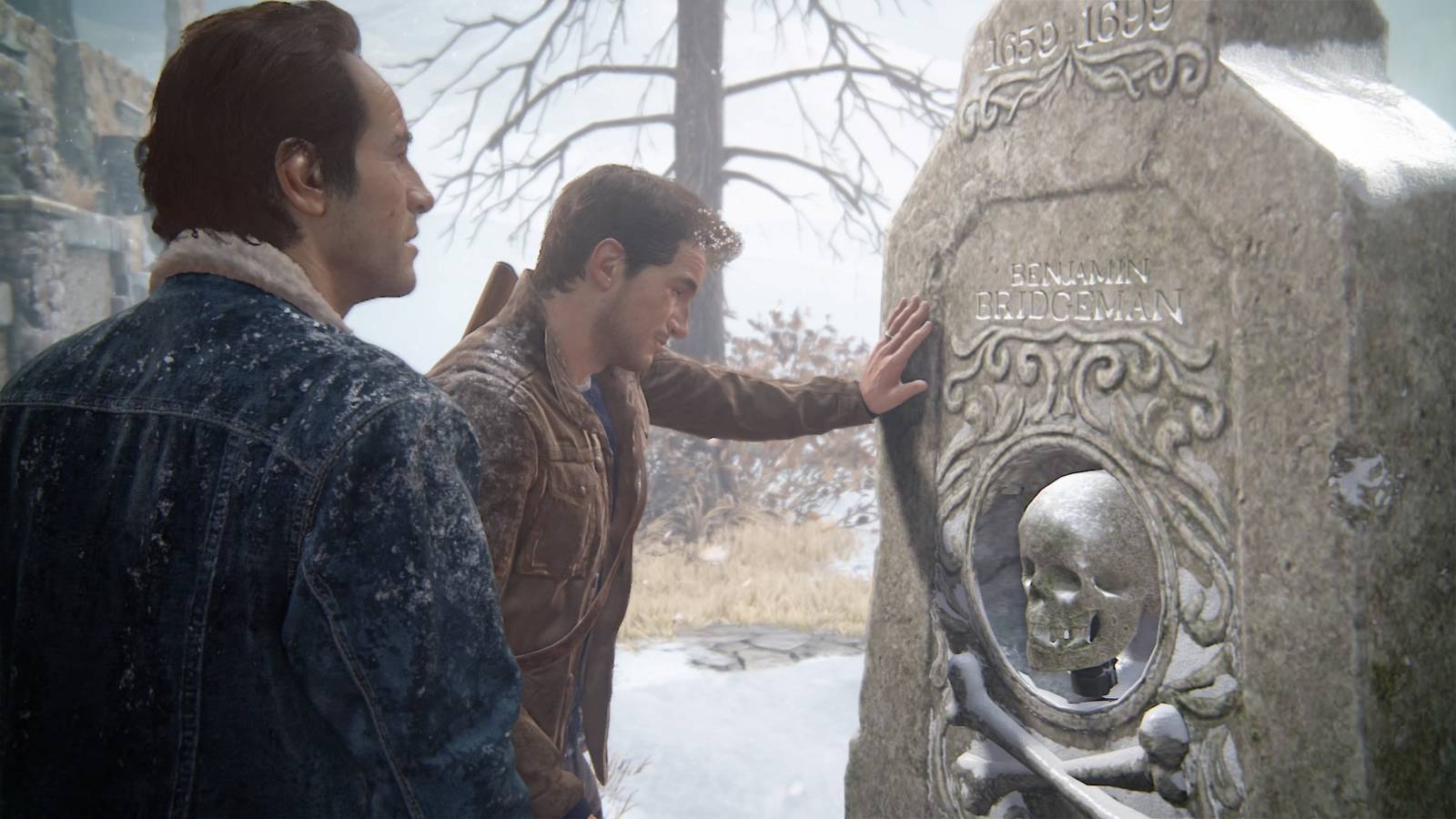
The Uncharted series was initially a complete trilogy — literally called “The Original Trilogy” by fans — but was followed up in 2016 by one final game: Uncharted 4: A Thief’s End. Apparently, Naughty Dog wanted to bring Nathan Drake’s story to a definitive end, and this fourth game was made to expand their flagship character’s backstory before retiring him for good. It just so happens that the Uncharted games were some of the most beloved PlayStation games of all time, so this was no small task.
Thankfully, Uncharted 4 accomplishes everything it set out to do. It evolves the frantic, cinematic combat system by introducing a rope swing mechanic that makes traversal more dynamic and opens up new escape routes while allowing for more treacherous combat arenas. Every explorable area is bigger, with more side paths and an astounding amount of detail in the set dressing, which persists no matter how fast Drake moves through areas (like when he’s being dragged behind a Jeep). The story, largely involving Nathan’s older brother Sam, is a perfect finale for the series, making the conflict more personal while maintaining the Indiana Jones-esque adventuring that is so central to the brand. It’s hard to imagine Nathan Drake going out on a better note than this.
Stardew Valley
Farming Doesn’t Get Any Better
While more basic farming sims like Farmville (and Farmville 2) came and went, Stardew Valley hit, caught on, and has stuck around. There are a number of reasons for this: the whimsical 16-bit visuals, the addictive music, the layering of objectives that ensure you always have something new to pursue, and the wonderful and varied NPCs who all live their own lives. Oh, and there’s the farming too, a constantly engaging loop of planting and harvesting that requires a keen eye for the time of year, inspired crop organization, and daily maintenance to achieve the best results.
All of that may sound commonplace for farming sims in 2026, but while Stardew wasn’t the first to implement many of these mechanics, it was the first to blend them and balance them so successfully. Every system works in tandem, with crops leading to income leading to more challenging crops, which can be turned into anything from construction materials to gifts for NPCs. Building your farm, romancing the townsfolk, exploring the countryside, and tending your crops all make up the average day in Stardew Valley, but with so many things to do, it never feels dull.
Dishonored 2
The Reigning King Of Immersive Sims
Much like the boomer shooter genre, immersive sims were all the rage in the 90s and early 2000s, particularly among PC gamers. Titles like Deus Ex and System Shock 2 offered an unprecedented degree of freedom in how you approach any given quest, and this sense of freedom was carried over into the Dishonored series. While the first game was an excellent example of a robust immersive sim, Dishonored 2 is now the genre’s peak and has yet to be surpassed.
It’s not just the mechanics either. Sure, they’re great, with an array of abilities for Corvo or Emily to use in stealth or on the assault, all of which toe the line perfectly between immersive sim and power fantasy. It’s also the level design. Each target is located in a unique area that forces you to rethink your approach in entirely new ways. It’s not only about choosing the right rooftop to Blink onto; from the shifting Clockwork Mansion to the fortified Grand Palace, every target will test your ability to think on your feet. The game thrives in moments where planning and improvisation collide, making for a constantly entertaining experience.
No Man’s Sky
It Wasn’t A Classic On Day One, But It Sure Is Today
No Man’s Sky may be a classic today, and one of the greatest sci-fi video games of all time, but it wasn’t anything close to that at launch. Despite massive promotional promises from the developer about all the content the game would feature, much of it was missing at the beginning. While it still boasted an impressive, procedurally generated universe with endless planets to explore, there wasn’t much to do beyond flying between worlds and harvesting materials.
Initial perceptions were certainly less than positive, but Hello Games stuck with it. Over the years, the studio has released 38 major updates to No Man’s Sky, all of them free for anyone who owns the game. These updates added everything from base building to multiplayer to a new story campaign, taking a game that once felt barren and transforming it into the most robust space exploration game ever made.
Titanfall 2
An All-Time Great Single-Player Campaign
The first Titanfall was a multiplayer-only sci-fi shooter featuring extremely mobile soldiers who could call down and pilot giant lumbering mechs in PvP matches. It was a cool game with some unique ideas, but it never quite caught on in the mainstream as Call of Duty did. Despite that, the developers at Respawn began work on a sequel, one that would include not only an updated version of the multiplayer component but a single-player campaign to boot.
No one expected Titanfall 2 to be bad, but no one expected it to be so good either, and certainly no one expected the praise heaped on its 8 – 10-hour narrative. Every level features a cool gimmick to stand out, be it the shifting level design of a house-building factory or the time-travel mechanic that lets you hop between timelines at will. There are so many inspired ideas on display here that the multiplayer, as good as it is, became an afterthought, which was basically unheard of for a military FPS in 2016. Titanfall 2 is still considered one of the greatest single-player FPS campaigns of all time, and its fans are desperate for another sequel, one that may never come.
Inside
A Physics Platformer So Affecting That People Still Talk About It With Reverence
Playdead’s Limbo was a surprising little indie horror platformer that managed to tell an enticing (and terrifying) story without using dialogue. The developer’s next game, Inside, evolved that formula to near-perfection. This is still a platformer with tricky physics-based puzzles that must be solved to progress, but where the horror of Limbo largely came from the atmosphere (and the giant spider that followed you around), Inside is a lot more varied.
As a young boy in a red shirt trying to break into a secure facility, security guards and dogs are just the beginning. Surveillance robots, mind-control headgear, and mysterious aquatic girls await further in. The ending is, to this day, one of the craziest conclusions to any video game. The fact that it takes place in a game without a single line of dialogue just makes it that much more impressive. Inside is a modern indie masterpiece and has inspired countless other horror platformers that have come since.
Honorable Mentions:
- Deus Ex: Mankind Divided
- Superhot
- Overwatch
- Hitman
- Firewatch
- Final Fantasy 15
- Battlefield 1
- Watch Dogs 2
- Civilization 6

10 Video Games From 2011 That Are Now Modern Classics 15 Years Later
Relive the glory days of 2011, one of the best years in gaming, with these iconic titles that still captivate 15 years later.
