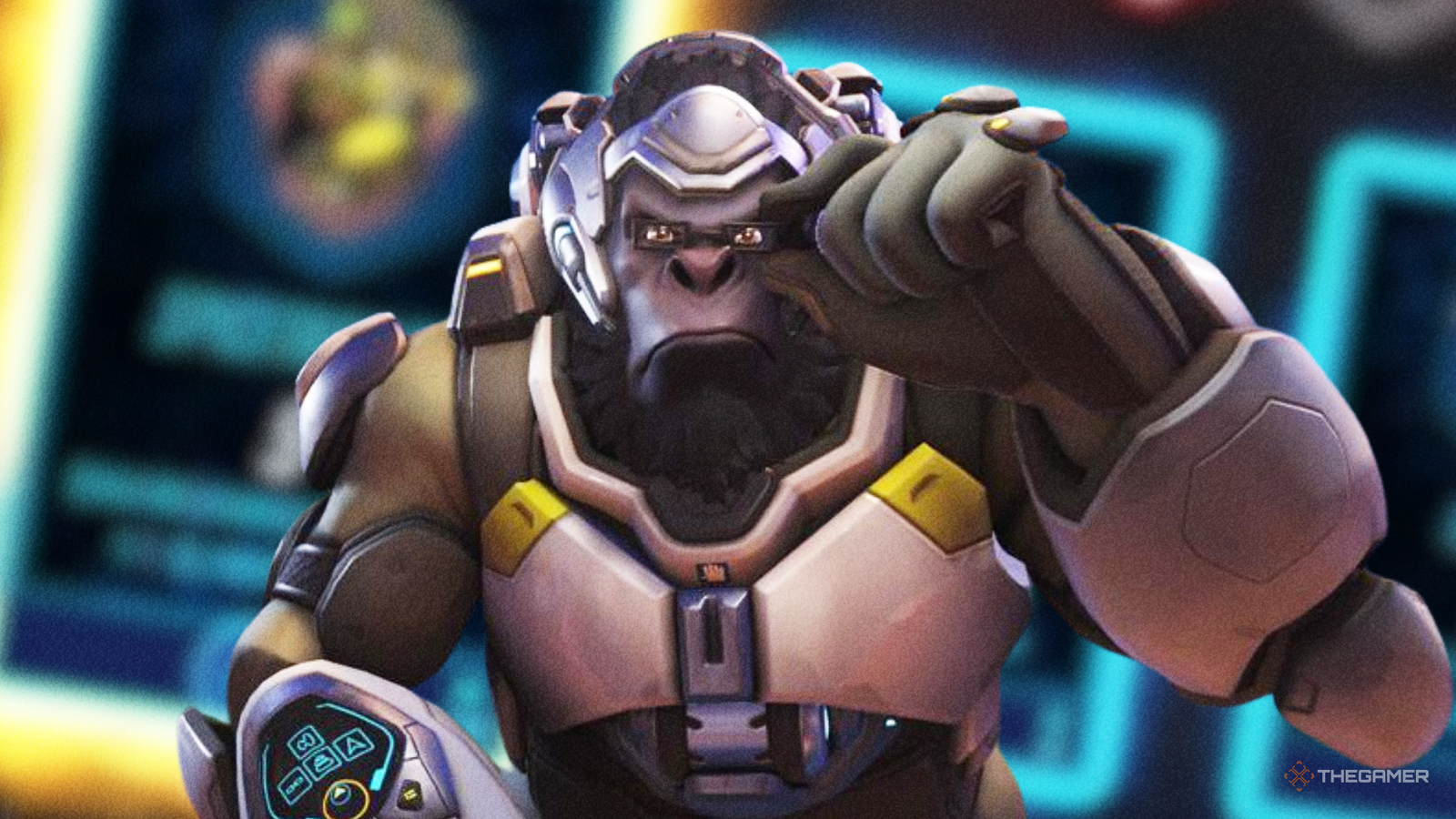
There was a very specific, almost Pavlovian dopamine hit at the end of a 2016 Overwatch match that current players have spent years trying to replicate with nothing more than a War Pass progress bar and the feeling of letting go of mounting existential dread.
you know The match ends, the screen pops up with four glowing rectangles, and you're looking at a roadhog who hooks 60 percent of everything that breathes. You click the button. Your teammates click the button. Athena's voice becomes “EPIC,” the card glows purple, and for three beautiful seconds, that roadhog is a god among men.
It was a pat on the back in a genre that otherwise communicates affection through teabags and projectile-based emotional damage. Then, Overwatch 2 arrived in 2022, and Blizzard shed the cards like unwanted fish. It told us the game needed to be faster. It told us we didn't want to slow down. It was wrong.
The era of the great post-match desert

For nearly four years, the end of an Overwatch 2 game has felt like the millisecond credits start rolling from a movie theater. No, wait, the final explosion is still happening. It's a cold and clinical transition to a scoreboard that everyone ignores as they prepare for another ten-minute stint in roll-cue purgatory.
Systems designer Gavin Winter touched on Blizzard's decision to remove the feature in the 2023 stream with Jay3 and Eskay. He said that at the end of the original game's life, players would ditch the lobby before the cards were turned over. “Almost nobody looked at them,” he said. Of course, there may be some truth there. When you've just rolled into a dorado, you don't necessarily want to stay and vote for the enemy widow maker who clicked your head seventeen times.
But the solution doesn't just eliminate one feature; It took away the feeling. Without the cards, Overwatch has lost part of its soul—the “communal handoff,” as Blizzard is now calling it. We lost MVP status, 'on fire' recognition, and the ability to acknowledge Lucio who killed zero but saved the entire team five times. Without it, Overwatch's match ending felt less like a shared experience and more like everyone was teleported out of the room. There was a hollowness in it.
Better late than never?

This week, Blizzard finally brought back the after-game compliments to Overwatch, giving them a sleeker, revamped presentation with character models present and rolling feedback on each new vote.
The return feels like an acknowledgment of something lost when the original version was removed. Overwatch can often feel fast and a little transactional, so even a small beat of recognition between strangers goes a long way to putting the 'hero' in a hero shooter.
When I finished the game last night, I felt it immediately. Mei, winning MVP after getting 12 Blizzard kills in the game, felt like I was dropped straight back into 2016. On the flip side of that, voting for Kiriko saving 30 players in a messy game felt every bit as good. It's a small interaction, but a positive one that lands in a way that pure end-of-match silence never does.
This is the kind of thing that should be more inclined in the game. Not everything should be about efficiency or ten seconds of post-match experience at stake so we can all get back in line. No one has ever praised a game for being efficient, especially when all that efficiency means less time to celebrate a win so you can quietly queue up faster.
The times people remember aren't always clean plays or high damage numbers. They're little social beats where the game feels like a shared space instead of a revolving door of strangers. Welcome back, Athena. Try not to make us wait another four years to be nice to each other again.

Overwatch (formerly Overwatch 2)
- issued
-
August 10, 2023
- ESRB
-
Juvenile/Violence, Blood, Mild Language, Tobacco Use, User Interaction, In-Game Purchases (Includes Random Items)