
Recipes for success: Chef Hadi Saroufim gives advice, shares a recipe for orange cake
Dubai: Executive chef Hadi Saroufim of Dubai's Beirut-import Bar du Port has been cooking since the age of 10, but it wasn't until he began training in a professional kitchen that he truly fell in love with the culinary world.
'The more I worked in the industry, the more I liked it. I feel lucky to be doing what I do – it just feels right,” he told Arab News.
“One of my earliest food memories is a modernization of a traditional Lebanese dish, kibbeh, from my village in Lebanon, Zgharta. I turned it into a kibbeh roll with ice cream yogurt, cucumber jelly and dry ice,” he says.
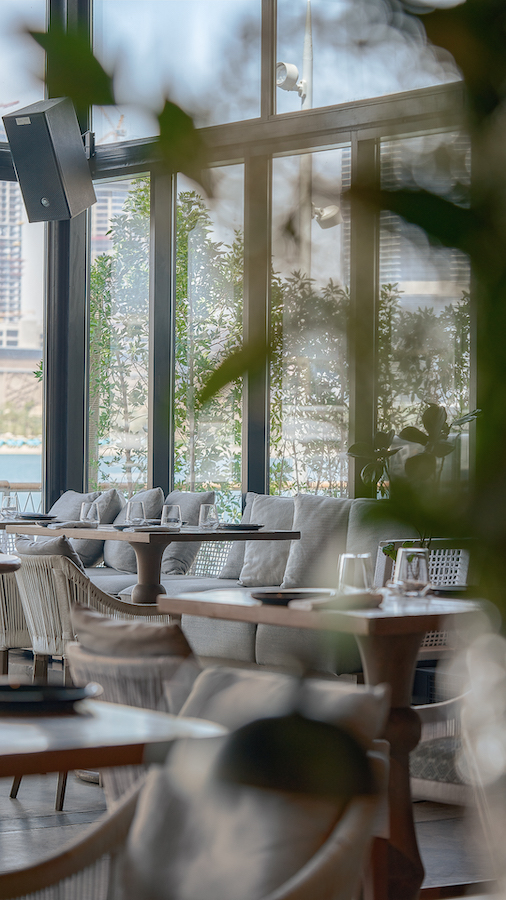
Bar du Port. (supplied)
His current favorite dish from the Bar du Port menu is grilled octopus with dried chorizo, tomato tartare, and smoked bell pepper coulis. “It uses simple ingredients but packs a punch,” he says. “This dish captures the essence of Mediterranean cuisine—fresh, bold and delicious.”
Here, Saroufim discusses burnt onions, annoying customer habits, and the magic of vinegar.
When you started, what was the most common mistake you made?
I usually burn onions and garlic during preparation. In a commercial kitchen, even if you are assigned to a specific section, you must multitask and work under tight time constraints. The pressure to juggle different tasks simultaneously can be overwhelming, especially for a new chef. Balancing the preparation of various ingredients while keeping an eye on cooking times and techniques is a skill that takes time to develop. Those early days were tough – but it was necessary to learn how to manage everything.
What is your top tip for amateurs?
Always use the best fresh produce available. Quality ingredients can elevate a dish from ordinary to extraordinary. When you start with fresh, high-end produce, the natural flavors shine through. I have always admired how Chef Alain Ducasse emphasizes “naturalness” in his food, focusing on the purity of the ingredients and letting their natural qualities speak for themselves. This philosophy has also influenced my approach. Whether you are cooking a simple meal or an elaborate dish, the quality of your ingredients always makes a significant difference.

Thinly sliced yellowtail with burnt orange, passion fruit chutney. (supplied)
What one ingredient can instantly improve any dish?
Vinegar, such as Xeres vinegar, instantly enhances any dish by adding a burst of flavor. Just a splash can elevate a dish and bring out its best qualities, making it a must-have in any kitchen. I especially recommend it for risotto or salad dressing.
When you go out to eat, do you find yourself criticizing the food?
I definitely pay attention to the food, but I try not to be too critical. One thing I often notice is the overuse of sauce. While sauces can enhance a dish, too many can overpower the main product and mask the natural flavors.
What is your favorite food?
I especially enjoy French and Japanese food. I also appreciate the craftsmanship behind quality beef dishes, like Nobu's Carpaccio, which inspires our own menu innovations.

Green lentil salad with rainbow cherry tomatoes, pomegranate, and yogurt sumac dressing. (supplied)
What customer behavior or request annoys you the most?
I love to invent and be creative — it's all part of the craft. For example, our avocado mash has a unique twist to the traditional guacamole recipe, and it sparked a 'friendly debate' with guests about its preparation. While I always appreciate guest feedback, it can be annoying when customers insist on dishes that match their exact home recipes, leaving little room for creativity.
What is your favorite dish to cook?
I am passionate about cooking fish because of its delicate nature and the precision it demands. Getting the timing right is important to preserve its freshness and flavor. One dish I particularly like to prepare is Butterflied Sea Bass. I love how simple yet elegant it is – seasoned with lemon juice, olive oil, salt and pepper, and served with a refreshing courgette tartare. It's a dish that showcases the beauty of fresh ingredients and allows me to express my creativity.

Burrata with Kalamata olives, heirloom tomatoes, grilled zucchini and basil pesto. (supplied)
What is the hardest dish for you to get right?
One of the most challenging dishes for me is the traditional French foie-gras terrine – a classic of French cuisine. It demands careful technique, especially in layering the foie gras correctly. Precision is key; A slight mistake can cause the layers to blend together, compromising both the texture and presentation of the dish. Mastering the terrine requires meticulous attention to detail and a deep understanding of the ingredients, making it technically demanding but highly rewarding.
As head chef, how are you? Do you shout a lot? Or are you more relaxed?
My focus is on maintaining calm and organization in the kitchen. On our busiest nights, we can serve up to 1,200 covers in our relatively small kitchen, so it's important that everyone follows the rules. With a team of 15, discipline is important, but I avoid yelling, because it's counterproductive.
Chef Hadi's Orange Cake Recipe
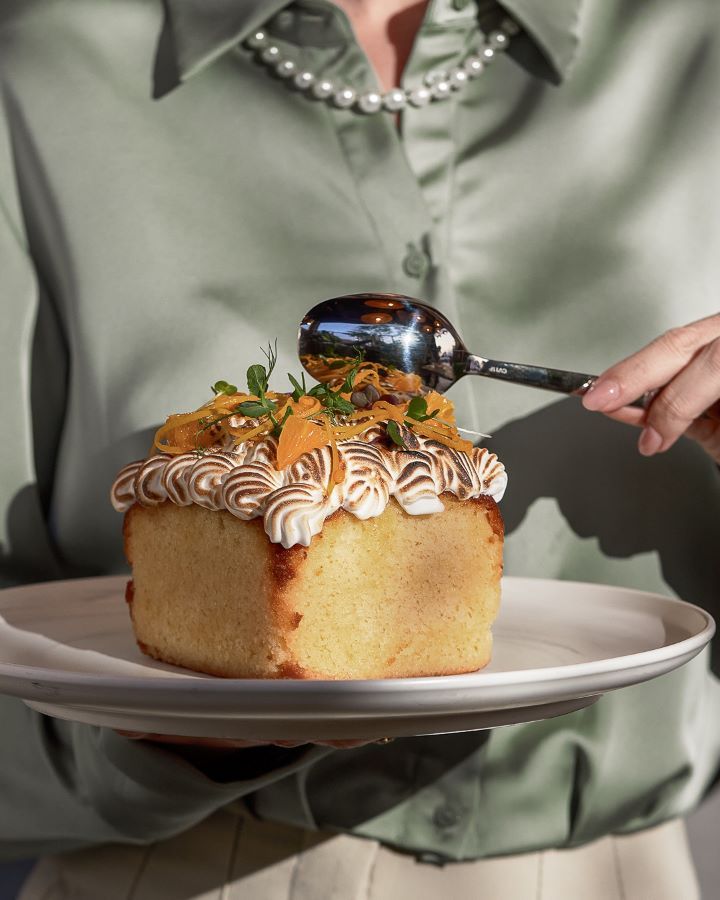
(supplied)
material
For the orange cake:
340 grams of eggs; 470 grams of sugar; 360 grams of flour; 10 grams of baking powder; 230 ml whipping cream; 160 grams of butter (melted); 70 grams of orange juice; 7 grams of orange juice
For the orange syrup:
60 grams of orange juice; 30 grams of water; 30 grams of sugar
For the meringue:
3 egg whites (100 grams); 200 grams of sugar
Additional:
50 grams of oranges
instructions
(Note: A bain-marie is required)
For the orange cake:
1. Preheat the oven to 160C.
2. In a mixing bowl, combine sugar and orange zest. Add the egg and beat well.
3. Add orange juice and whipping cream. Mix well.
4. Sift in the flour and baking powder. Mix until there are no lumps.
5. Add melted butter and mix well.
6. Pour the batter into the cake tray. Draw a straight line of melted butter on top.
7. Bake for 55 minutes.
8. Remove from the oven and pour the orange syrup over the cake. Allow it to cool.
For the orange syrup:
1. In a small saucepan, over very low heat, combine orange juice, water, and sugar.
2. Bring to a boil, stirring until the sugar dissolves.
3. Remove from heat.
For the meringue:
1. In a bain-marie, heat the egg whites to 65°C.
2. Transfer the egg whites to the mixer.
3. Gradually add sugar, whisking until stiff peaks form.
Assembly:
1. Once the cake has cooled and the syrup has been absorbed, serve the slices with a dollop of meringue and garnish with (optional) fresh orange slices and a scoop of orange ice cream.
