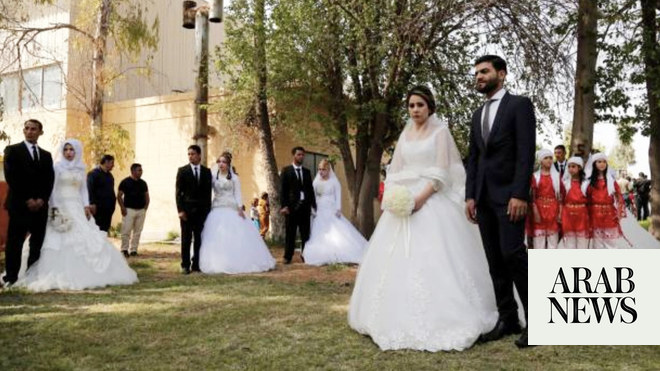
LONDON: Casual ads for “cheap Syrian brides” have been circulating on Iraqi social media platforms in recent months, many of them featuring lines about Syrian women such as: “Marry a Syrian woman for $100 and enjoy delicious food and a lovely speech.”
The controversial posts, which have attracted local media attention, have been captioned as ad chattel. One wrote: “You can listen to to'borni (a Syrian endearment) at home for 500,000 dinars” – the equivalent of $380.
Men promoting the trend lament the exorbitant dowries Iraqi women often request, ranging from $10,000 to $20,000, locals told Arab News. On top of that, they say, potential Iraqi brides will often request property, expensive jewelry and even cars.
The mahr is an obligatory gift in Muslim society from the groom to his bride as protection and respect, often with legal significance in marriage contracts.
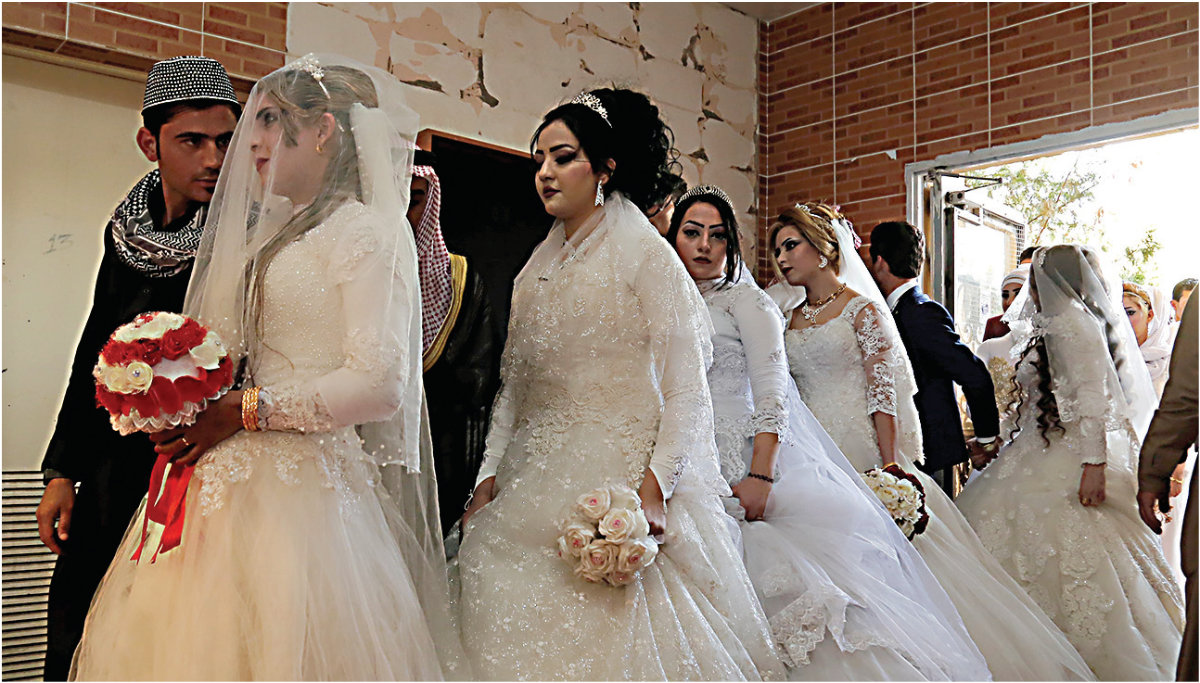
The sheer volume of posts online, especially on the video platform TikTok, suggests the trend is real. Commenters have expressed outrage at the posts, finding the statement offensive to both Syrian and Iraqi women.
More than a decade of violence, displacement, economic hardship and uncertainty have eroded the dignity of Syrian women. Now, in neighboring countries where they seek safety and economic security, they endure a kind of commodification.
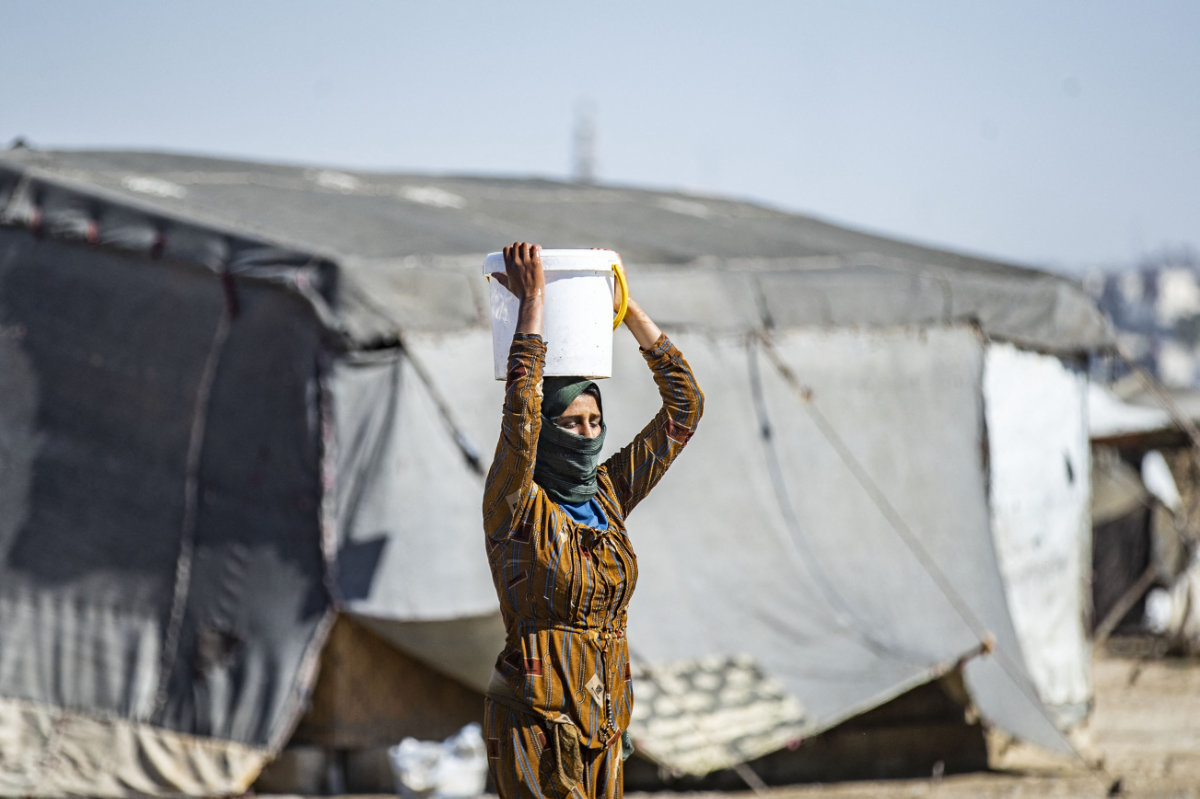
Many Syrian women, finding themselves as sole breadwinners for their families, have sought employment in neighboring states, including Iraq, as their country's economy worsens.
Faced with the harsh reality of being a single woman alone in countries where conservative societies and laws offer limited protection, some have agreed to marry locals for few, if any, mahars.
Syria's ambassador to Iraq, Sattam Zadan al-Danda, revealed in January that some 5,000 marriages between Syrian women and Iraqi men had been documented in 2023 alone.
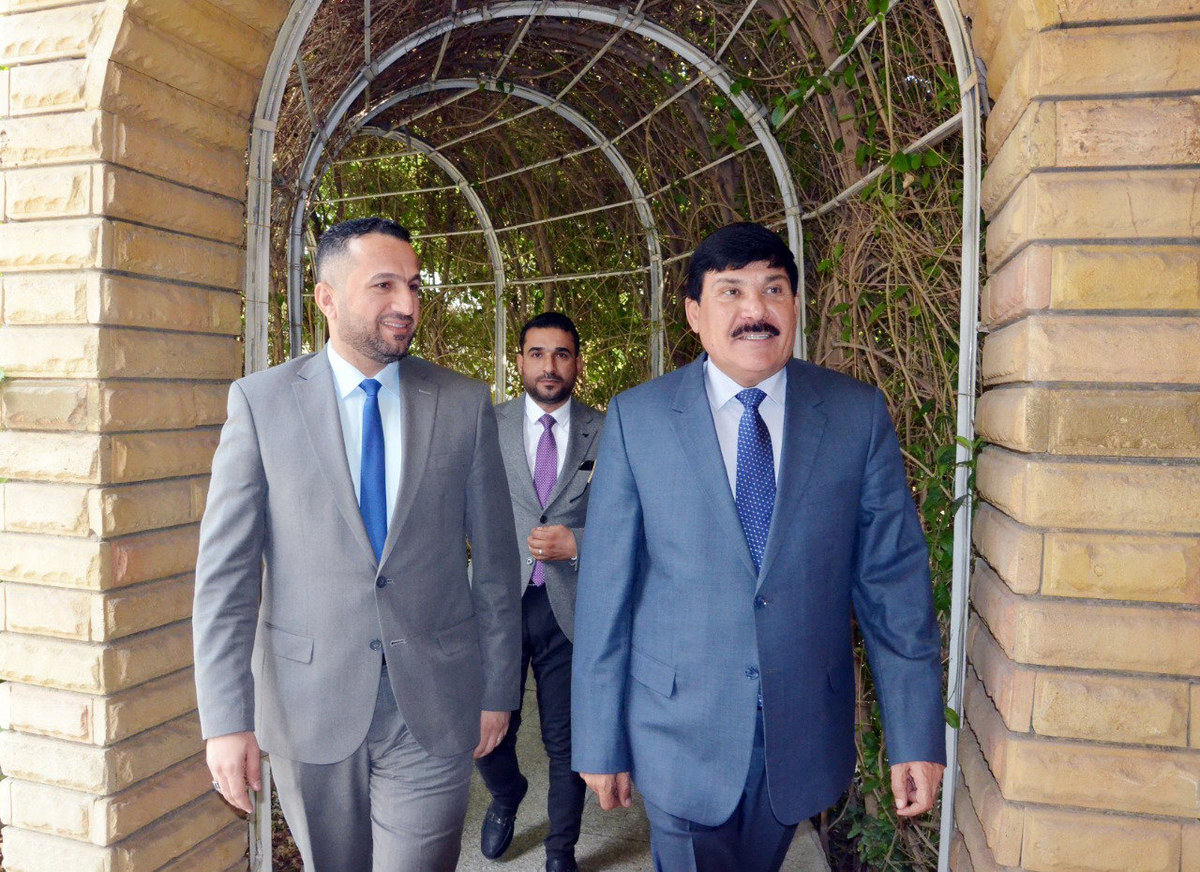
According to the United Nations Development Programme's Gender Inequality Index for 2024, Iraq is the fifth worst country in the world for women and girls, despite many efforts to address gender inequality.
“In countries like Iraq, where the law does not provide adequate protection, Syrian women often find themselves victims of harassment, exploitation and trafficking,” UK-based Syrian feminist and researcher Mouna Khaiti told Arab News.
“The main reasons why Syrian women agree to such arrangements – despite many seeking them out – are the need for security in almost all neighboring host countries and the desire to avoid deteriorating economic conditions.”
Thirteen years of conflict and economic sanctions have plunged 90 percent of Syria's population below the poverty line, creating a new social norm where families struggle to survive without female labor.
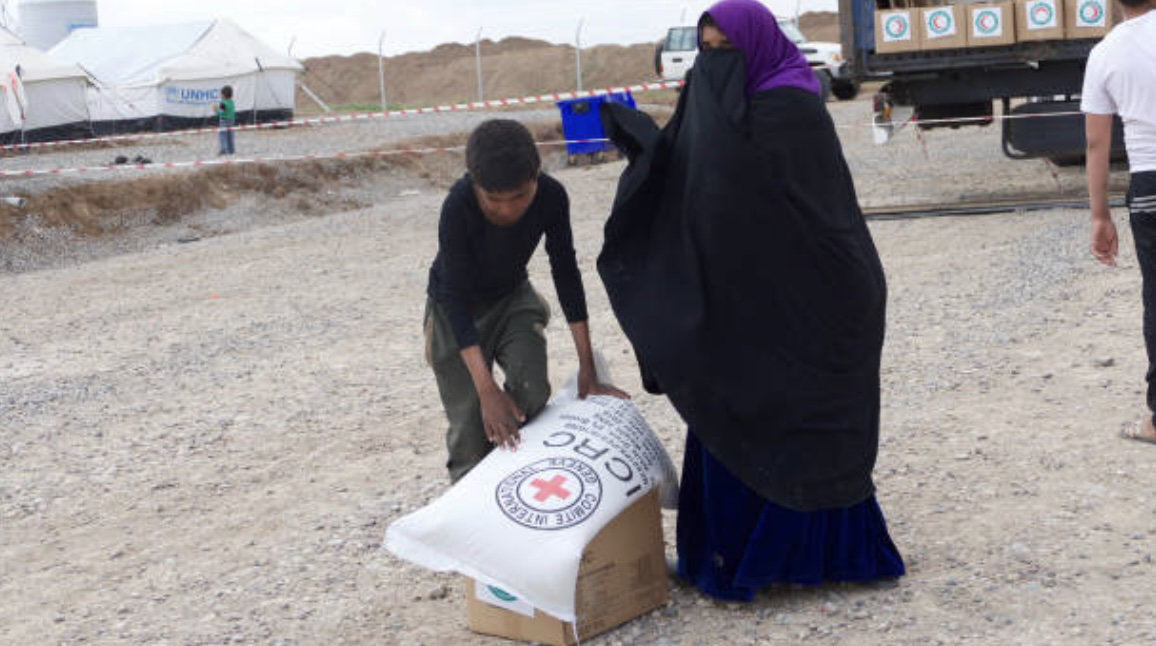
“Under normal circumstances women and girls' communities and families will provide a level of protection, although this sometimes involves unnecessary interference or control,” Khaiti said.
The erosion of this protection due to displacement has put Syrian women and girls at greater risk.
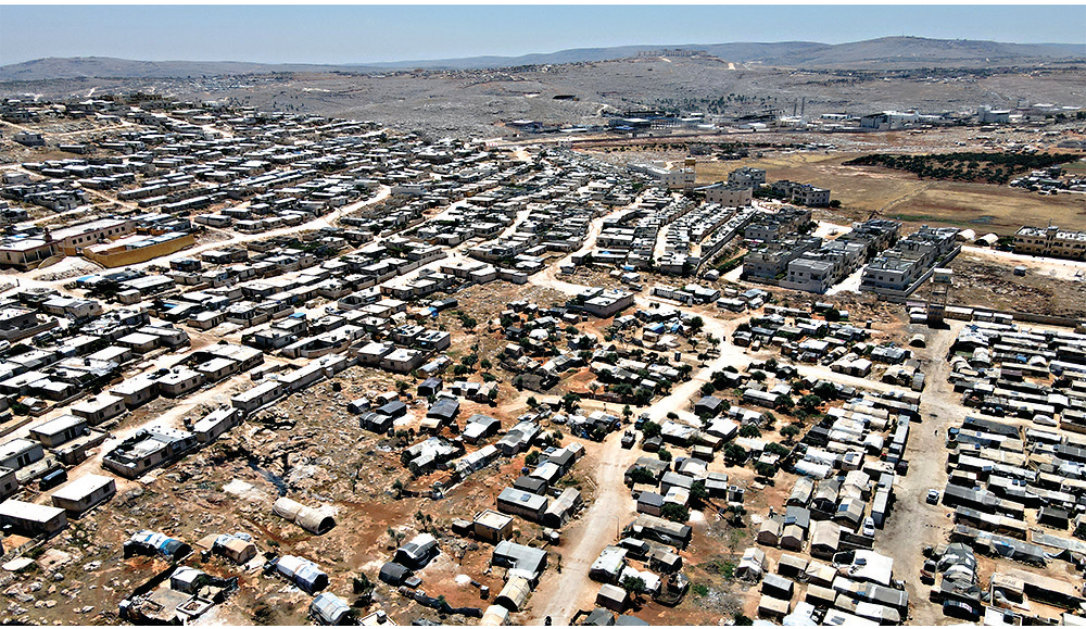
5.4 million Syrians live in five countries in the region – Turkey, Lebanon, Jordan, Iraq and Egypt – more than 70 percent of whom are women, according to UN figures.
“Women who are in need of protection will accept a lower mahr than women who are in the safety of their families in their home countries,” Khaiti said.
However, a woman's decision to marry for economic reasons “is often not an individual choice but a collective family decision, with women – even girls – convinced that it is an opportunity for a better life.”
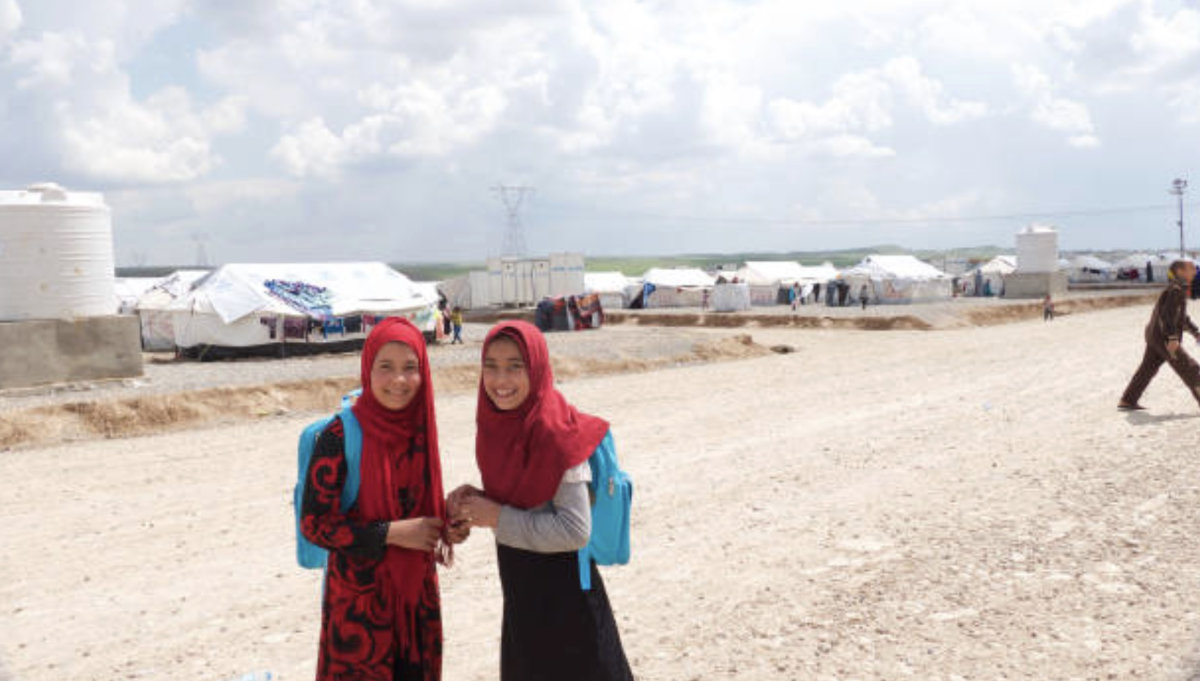
“This is often seen in displacement camps, where women do not even have a choice, and marriage to a local can be seen as a convenient way to transform from a recipient of charity to a respected and protected woman.”
In 2016 the Norwegian Refugee Council reported an alarming increase in the incidence of child marriage in Syrian refugee communities, with girls as young as 13 being married off.
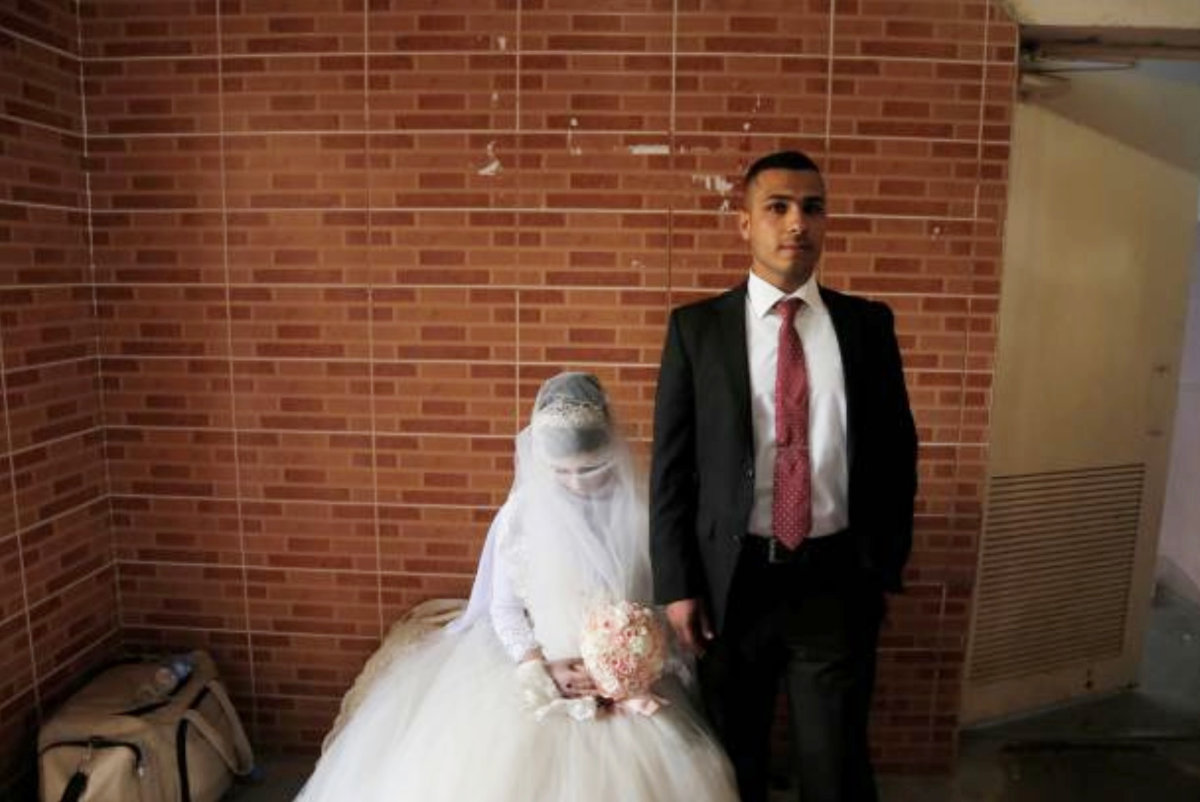
A 2023 report by American Near East Refugee Aid, an NGO that addresses the needs of refugees and vulnerable communities in Palestine, Lebanon, and Jordan, found that 41 percent of Syrian refugee women aged 20 to 24 in Lebanon were married before age 18.
Stressing that the situation was created by “layers of discrimination and injustice”, Khaiti said the blame for such marriages should be placed not just on individuals or families, but on the “whole system” that has normalized the exploitation of Syrian women. of accountability.
“Neighboring countries are not trying to integrate Syrian refugees, who are being ostracized by local communities and exploited by politicians for financial gain,” she said.
Deep-rooted gender-related economic inequality has long plagued women, and war has widened the gap even as the proportion of women earning income has increased.
“Middle Eastern societies have historically concentrated wealth in the hands of men, forcing women to be largely dependent on men,” Khaiti said, “through political systems, social norms and religious institutions.”
“Obedience to husbands is often linked to men's economic superiority and dominance, and consequently women's dependence on them. There are economic resources that women cannot access.
He added: “The war has deepened inequality, impoverished the majority of the population, increased the vulnerability of women and displaced millions – all of which have devastated Syrian society.
“Therefore, many Syrian women seek to marry locals in host countries as a means of protecting themselves, and often their families, from all forms of humiliation – especially in societies that are hostile to them.”
Since the outbreak of civil war in 2011, which forced millions to flee abroad, Syrians in Lebanon, Turkey and Jordan have faced repeated waves of violence and threats of deportation.
Donna Haj Ahmed, a Syrian human rights activist based in the UK, says this new status quo has created “a form of modern slavery where Syrian women are made and traded under the guise of marriage.”
She told Arab News that arranged marriages promoted on Iraqi social media “reduce women to mere commodities for sale,” adding that the incident “is a stark reminder of how conflict and poverty can rekindle exploitative systems like slavery.”
He added: “Such exploitation is not only immoral, but deeply inhumane. Marriage should be based on mutual respect and genuine affection, not on the exploitation of the needs of the more vulnerable party.”
Thirteen years of conflict and displacement have put Syrian women “in a class of their own,” Khaiti said. “There is tolerance for the dehumanization of Syrian women, who are now perceived as having fewer rights.”

Both activists also believe Syrian women are being commoditized by misleading TV dramas. Iraqi TikTok posts also feature clips from controversial Syrian programs promoting marriage to Syrian women that depict Damascene women as part of an obedient, attentive harem.
Khaiti says the drama genre known in Syria as “al-biya al-shamiyeh” – or Damasne culture – has propagated “an untrue, historically inaccurate, and unfair image of Syrian women and their role in society”.
Since the 1990s, many Syrian dramas have portrayed Damascene women as ravishing beauties with an innate talent for cooking, household management, and seduction. They walk to meet their husband's needs, rub his feet, bathe him with affection, and feed him by hand.
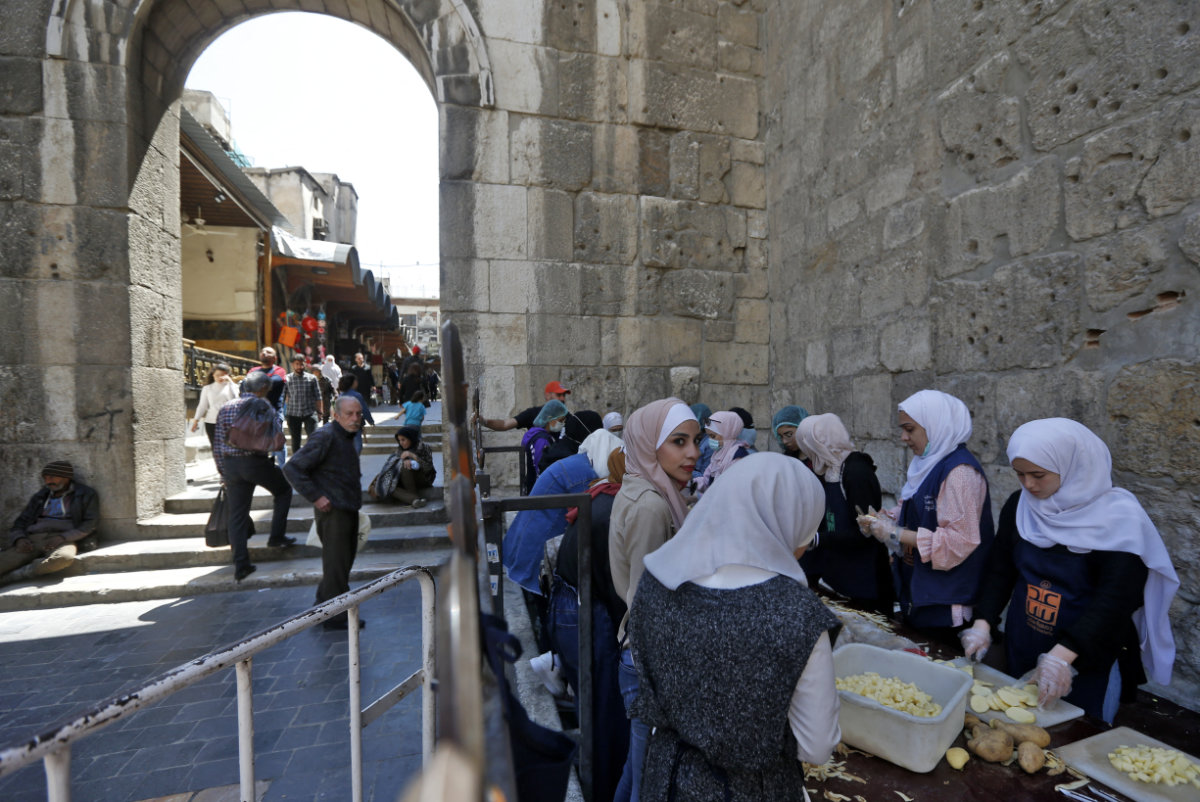
The popularity of Syrian drama series in the Arabic-speaking world has played an important role in creating and reinforcing such harmful stereotypes.
“For decades, Syrian drama has perpetuated the image of the Syrian woman as an obedient servant of her husband, whose life revolves around cooking and cleaning during the day and fulfilling his needs by pampering and entertaining at night,” Haj Ahmad said.
“This negative portrayal reinforces outdated and misleading ideas about the role of women in Syrian society.”
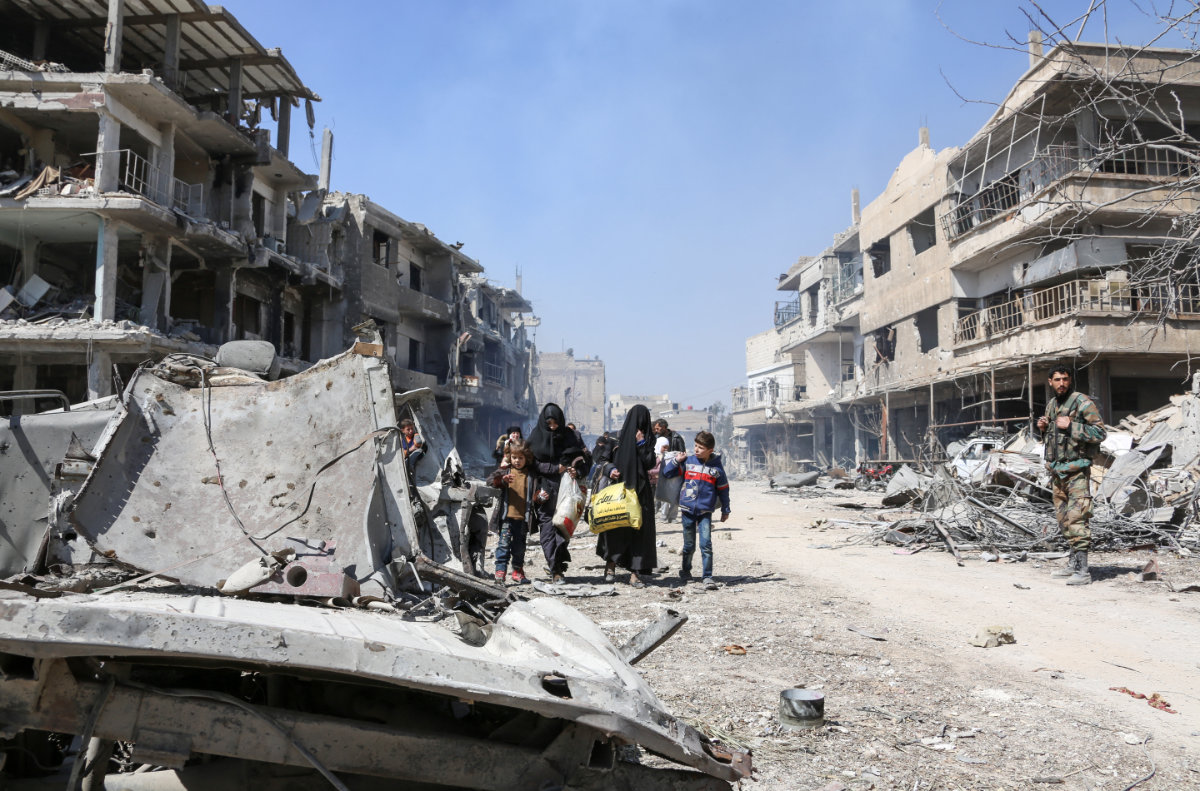
Haj Ahmed said that amid harsh economic conditions, “many young people in Arab countries have seen the war in Syria as an opportunity to fulfill their unhealthy desires for marriage.
“They have exploited the vulnerability of Syrian girls due to war and poverty, forcing some Syrian families to make harsh deals and accept any partner for their daughters in a desperate bid to ease the family's financial burden.”
She added that the social media trend promoting Syrian brides for $100 “goes beyond discrimination and hate speech” to “reflect the patriarchal mentality that targets women, especially during times of war and disaster.”
“This story confirms that women are the first to suffer in such situations. What Syrian women are experiencing is a recurring scenario for women in all conflict zones.

