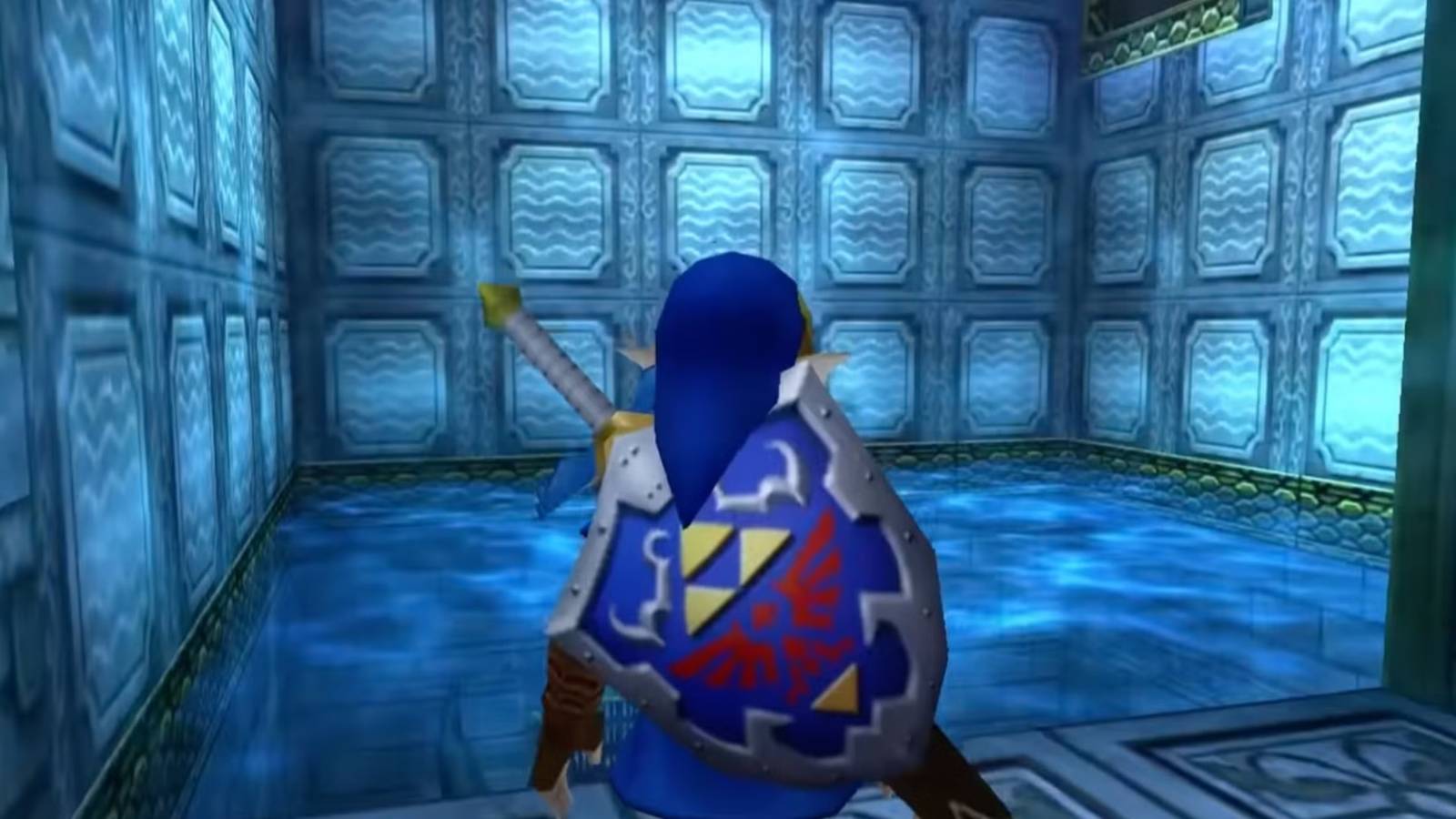
There are certain tropes that gamers really hate. The rise of the QTE during the 2000s, for example, is something we're not quite over yet. A much older and more hated culprit, for many, is the water level. Ubiquitous among platformers, they have a way of slowing down the action and being fairly generic, not to mention all the fish-themed enemies they herald. It's enough to make you think, as many gamers do, that the water level is bound to be a bit of a tough slog. Maybe things could get worse, though: in some titles, water is downright deadly.

30 Best Water Pokemon, Ranked
Water-type Pokemon come in all shapes, sizes, and designs, but some of them are better than others. Here's a look at the best so far.
This is not necessarily the case, however. Some titles are set almost entirely in water, and it's actually filled with some very imaginative horror (take for example Subnautica and its terrifying creatures). Others, meanwhile, have water worlds, or water levels, that are totally fun and don't overstay their welcome. Let's take a look at why these levels are so common, how they've come to be hated, and how some games pull them off so well.
5
Why is the water level so normal?
Water we are going to do without them, after all
We are all familiar with common world theme tropes in platform games. Ice world, plain/grass world, sky world, fire world, and so on. These are implemented not only for visual variety but naturally to introduce some changes to the gameplay. In a sky world, for example, there may be additional wind mechanics and associated platforming puzzles to overcome, while an ice stage typically pushes the player by presenting the additional challenge of traction through slippery surfaces. And let's not get started on Lava Hazards, one of the most dangerous aspects of any fiery-themed stage or world.
It's easy to see how water levels and stages fit in with all of this. There is no logical way to completely change the controls and look of a game while ensuring that the player immediately knows what has changed and what is expected of them at first glance. The visual cues are unmistakable, challenging the player to completely change the way they navigate the stage. These are the water-themed stage's greatest strengths, but they can also be its worst aspects.
4
Why water levels are so controversial
Being bored while swimming
Players enjoy games that vary in challenges as they go through them. With so much quality competition and our heavy backlogs, however, we're not out to drop a game that feels too similar, as if we've already seen everything it has to offer. This is part of the reason theme steps were added in the first place. The unfortunate thing with the world full of water, however, they can make a very fundamental change in the way we get around a level, and not for the better.

How to solve the Drain Water puzzle in Crimson Desert
Here's how to solve puzzles where you need to drain water or reach a submerged abyss cross.
In platformers, we're more used to controlling a rather simple core moveset. Timing jumps, quick reactions, and a general understanding of what it feels like to control a character. Water levels often slow the pace down all the way and require awkward controls to incorporate. In 2D Super Mario titles, for example, constant pressing of the jump button may be necessary to gain height and maintain forward speed, while in 3D games, it can be awkward to keep your camera and character on track. Perhaps the biggest example of this was Monster Hunter Tri, which added underwater encounters. The slow pacing management and the game's deliberate and long attack animations made it a lot of work, and it was not surprising that it was removed from later entries after the fight.
3
Final Water Level Despair: Ocarina of the Water Temple of Time
H2Oh is not
The Legend of Zelda: Ocarina of Time is one of the most celebrated games in history. That doesn't mean it's immune to criticism, though, and much of the negativity surrounding it has focused on one particular aspect: the infamous Water Temple. In the game, claiming the Master Sword on Link and becoming his adult self, his next task is to try to secure the help of the sages. In doing so, he proceeds from a clutch of temples that embrace the familiar elemental tropes we've discussed (fire, forest, light, and shadow among them). The Water Temple at Lake Hylia, like the rest, was designed to be as different from the others as possible.
Unfortunately, the gimmicks here revolve around the shenanigans of raising the water level, constantly jumping in and out of the menu screen and needing to sink or float the Iron Boots, etc. These things are necessary, indeed, in a dungeon revolving around water-based puzzles, but its design made it difficult to explore the first time and frustrating on repeated playthroughs of the original. The 3DS remake alleviated some of this by making boots more accessible and tweaking the positioning of certain aspects within the dungeon, but this cursed place is likely the root of many gamers' dislike of water levels.
2
Some great water levels that buck the trend
Making a real splash
That's not to say, of course, that The Legend of Zelda can't pull off a super solid and fun water closet. Skyward Sword's Ancient Cistern, for example, is brilliantly designed, featuring great music, a more sensible limit on the amount of swimming/sinking required, and some creative puzzle-solving and traversal using unlocked items there. Super Mario Bros. In Wonder, meanwhile, the Leaping Smackerel is a stage that offers plenty of space while keeping the momentum going, a new path to 'eat' giant, chomping fish with a fun (if slightly scary) Wonder effect, and a Mega Man-esque level to challenge you with the ultimate challenge.

How to find and defeat all 7 Koopalings in Super Mario Bros. Wonder
Super Mario Bros. Learn the locations of all seven Koopalings in the Switch 2 version of Wonder, as well as the best strategies to defeat them.
In the classic Sonic Mania, the Hydrocity Zone stands out as another great example of a water stage. Yes, the player immediately feels the difference in Blue Blur's trademark speed, but this effect is lessened by the sheer amount of turbines and other effects that keep Sonic and Tails together. Reaching the next bubble moves forward to allow Sonic a precious breather, and the opportunity for boating sections and finding levers to lower the water and make short runs keeps things from getting stale. The routes through both acts are easy to follow without being boring, reducing the frustration of taking a wrong turn and not being able to find the air bubble in time. Then there's the music, of course, which is worth the price of admission in itself.
1
Doing the water level correctly
Keep it fresh
Another way to optimize water levels is to make sure the player character doesn't actually spend much, or any, time underwater. The Nintendo Switch 2 hit Donkey Kong Bananza has two levels (the game's equivalent of the underground world) that are water-themed: The Lagoon Layer and the Resort Layer. Like any other, they're a blast to smash your way through, with bananas, fossils, combat challenges and other secrets waiting to be found. The layout isn't as complicated as some of the layers, and DK has access to some equipment (well, a pair of pants) that can dramatically improve his swimming. This means that water travel isn't too slow or intrusive, and there aren't even any underwater sections to speak of since there's no diving mechanic. Our hairy hero just floats on the surface.
When you spend a significant amount of time underwater, the most important thing is to have solid swimming mechanics. In Super Mario Odyssey, for example, the controls for the characters and the camera are a little more intuitive. When our hero arrives at the Lake Kingdom, home of the iconic Lochlady dress, he finds wide open spaces and enemies that are already well-foreseeable and somewhat predictable. Even better, the capture mechanic allows him to become a chip chip, with greatly improved speed and directional control underwater and no need to collect air bubbles.
A game designed around underwater exploration, like Subnautica, excels when it not only uses satisfying and responsive swimming controls, but leans into the sense of wonder that the atmosphere and ocean setting can provide. Abzu is another example of a title that has perfected this. As we have seen, there are many approaches to successful water levels, and some of the best examples of them, it is necessary to get rid of difficult elements that can easily drag down developers.

Donkey Kong Bananza: How to Get Whale Fossils in Lagoon Layers
Donkey Kong Bananza players can find and collect rare fossils in the lagoon layer with the help of this guide.
