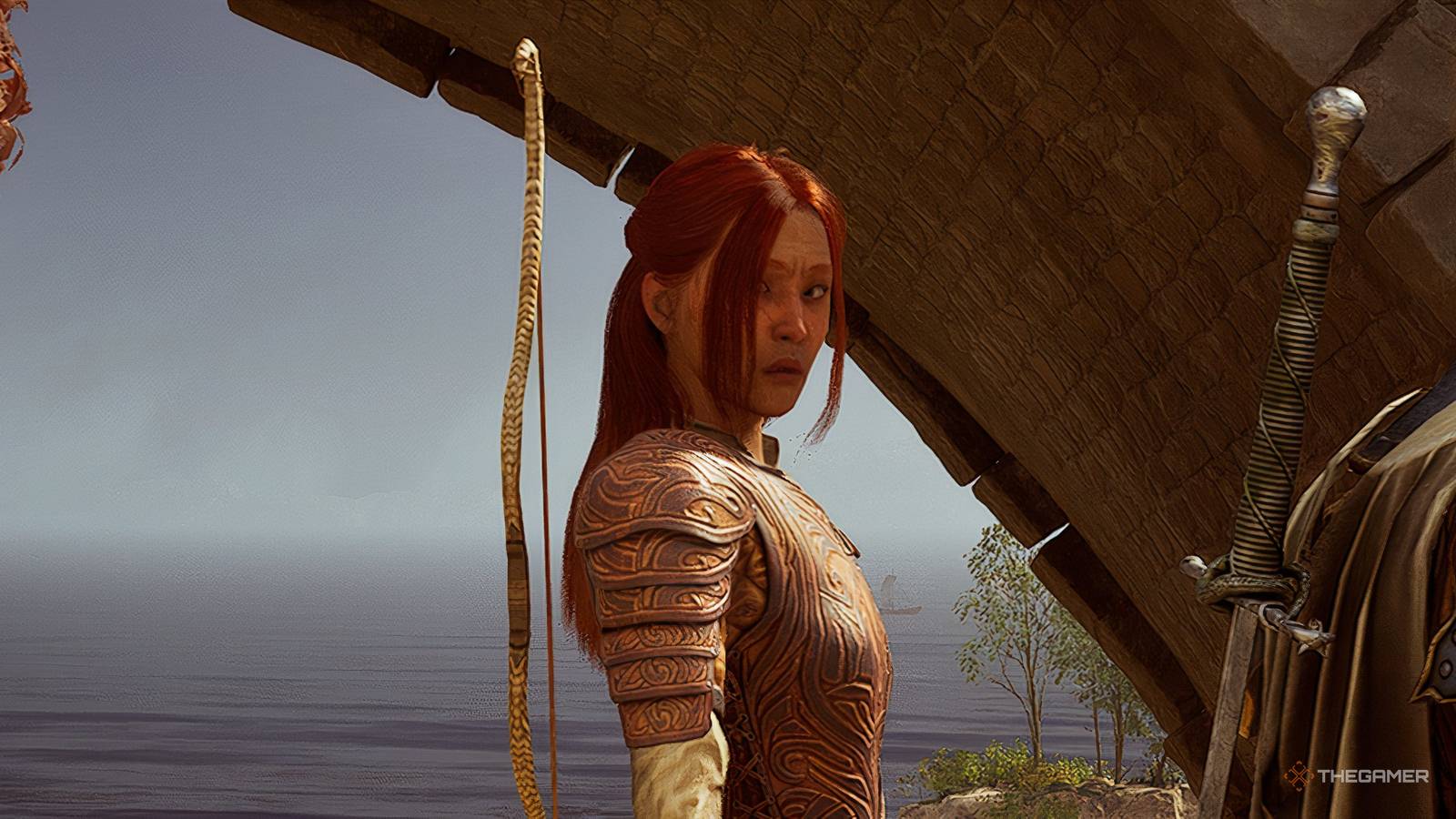
Building a character in Solasta 2 requires an understanding of the different stats and attributes that make your character unique. Without this, you can end up with an unbalanced character that makes even the easiest difficulty a challenge. Thankfully, we’re here to help break things down so you can build a well-balanced character in any class.
Our guide includes a full explanation of each main stat as well as the additional attributes that polish your character’s personality. Take a look at everything you need to know to get started so that your characters have both great stats and depth in any encounter.
What Do Stats Mean In Solasta 2

The stats in Solasta 2 closely follow the rules of Dungeons & Dragons 5e, meaning that if you’re familiar with the tabletop game, you’re already prepared to understand what the stats do.

Slay The Spire 2: The Silent Beginner’s Guide
Here is what you need to know if you’re struggling with The Silent in Slay The Spire 2.
However, if you’re new to the ruleset, the different stats can be confusing. We’ve broken down the stats and what they do in the table below:
All Stats And What They Do
|
Stat |
Description |
Best Classes |
|---|---|---|
|
Strength |
Measures bodily power, athletic training, and the extent to which you can exert raw physical force. |
Fighter, Paladin |
|
Dexterity |
Measures agility, reflexes, and balance. Directly applies to your ability to dodge attacks and stick landings. |
Rogue, Fighter |
|
Constitution |
Measures health, stamina, and vital force. Directly applies to how much damage you take, how high your HP is, and how well you stomach situations. |
All Classes |
|
Wisdom |
Reflects how attuned you are to the world around you and represents perceptiveness and intuition. Best for situational awareness, religious enlightenment, and ignoring magic attacks. |
Cleric, Paladin |
|
Intelligence |
Measures intellectual acuity, accuracy of recall, and the ability to reason. |
Wizard, Sorcerer |
|
Charisma |
Measures your ability to interact effectively with others. This includes factors like confidence, eloquence, and charm, as well as a commanding personality. Effectively, how much people will take you at your word. |
All Classes |
Charisma can be your lowest stat if you don’t intend to talk your way out of encounters, but it’s a great stat to have if you want to sweet talk NPCs.
When building a character, you’ll get 27 points to spend however you see fit. While having an even spread may seem like a good idea, it’s likely to only hurt you in the long run.
Since each class is different, there are ideal stats for each when starting out. The standard array of stats may help you allocate your points according to priority. Assign your points as follows for a well-balanced character if you’re not sure where to start:
- 15 – Highest Stat. This will be your most important stat, denoted by your class.
- 14 – Second Highest Stat. This is the second-most-important stat, likely to be Constitution or Dexterity if your class needs it.
- 13 – Balanced Stat. This roll is best for stats you need, but don’t want to prioritize over your class requirement, like Intelligence or Strength.
- 12 – Balanced Stat. Best for stats you need, but don’t want to prioritize over your class requirement, like Intelligence or Strength. It also pairs well to be Dexterity or Constitution, whichever hasn’t been chosen yet.
- 10 – Less Urgent Stat. This is reserved for a stat you don’t need, but would like. For example, Charisma can be a good choice.
- 8 – Dump Stat. This is the stat that you don’t need at all. For magic-users, it’s probably Strength. For melee-based characters, it can be Wisdom or Intelligence.
All Attributes In Solasta 2

In addition to your stats, there are several other attributes that make up your character. While some are just for flavor, others add practical skills to your character. This includes things like personality, ancestry, and background.
Take a look at each of them below to see what the benefits are and how you can build a character with them:
Which Personality Should You Pick?
Your personality dictates how your character will speak to others. It defines their manner of speech, responses to encounters, and their sense of humor. There are eight varieties that you can choose from, and while they don’t offer stats, it’s still an important choice to make.
|
Background |
Description |
|---|---|
|
Caregiver |
The Caregiver is enthusiastic, optimistic, light-hearted, and helpful. |
|
Everyman |
The Everyman is a team player, friendly, and somewhat bland. |
|
Hero |
The Hero is excited, passionate, eager, and sometimes too much. |
|
Innocent |
The Innocent is cautious, discreet, soft-spoken, and conflict avoidant. |
|
Jester |
The Jester is cynical, provocative, and sneaky, making fun even when it’s inappropriate. |
|
Outlaw |
The Outlaw is nonconformist, ambitious, somewhat greedy, and even aggressive. |
|
Ruler |
The Ruler is pragmatic, short-spoken, even seemingly a bit cold. |
|
Sage |
The Sage is curious, even nosy, talkative, and curious about everything. |
This cannot be changed later, so be sure to go over it when viewing the menu with your name, pronouns, and voice before confirming your party.
Which Ancestry Should You Pick?
Your ancestry is tied to your race, whether you’re a Dwarf, Halfing, Elf or Human. For most races, this is a simple choice, but some–like elves–have a subrace feature that further adds to the character’s stats and inclinations.
This is important to your character, but not as important as your background. Most players will choose their race with little consequence, but experienced players who want to maximize their stats will want to consider this carefully.
Which Background Should You Pick?
Your background is what led you to attend the funeral at the start of the game. Below are the available choices and the additional benefits they give you:
|
Background |
Stats |
|---|---|
|
Academic |
|
|
Acolyte |
|
|
Aristocrat |
|
|
Artist |
|
|
Ascetic |
|
|
Lawkeeper |
|
|
Lowlife |
|
|
Occultist |
|
|
Philosopher |
|
|
Sellsword |
|
|
Spy |
|
|
Wanderer |
|

Dungeons and Dragons: How To Build The Illrigger Hell Knight
Seal your enemies, burn them with hellfire, and command the battlefield with the Illrigger, an infernal Hell Knight of archfiends and devils.
