With the rise of anime as one of the most dominant forces in the world of entertainment, the number of fans has increased drastically. While a significant proportion of these viewers come from older generations who grew up enjoying the masterpieces of the last couple of decades, it is an undeniable fact that younger generations, such as Gen Z, are also major consumers.
Due to the differences in both culture and practices across the industry, it is no surprise that older anime fans and Zoomers do not always see eye to eye. Younger fans have developed their own tastes and opinions, and while some of these takes can be controversial for Millennials or other generations, they are not always outlandish or unfounded.
10
Cinematic Quality Animation Makes a Show Much Better
-
-
 Image via MAPPA
 -
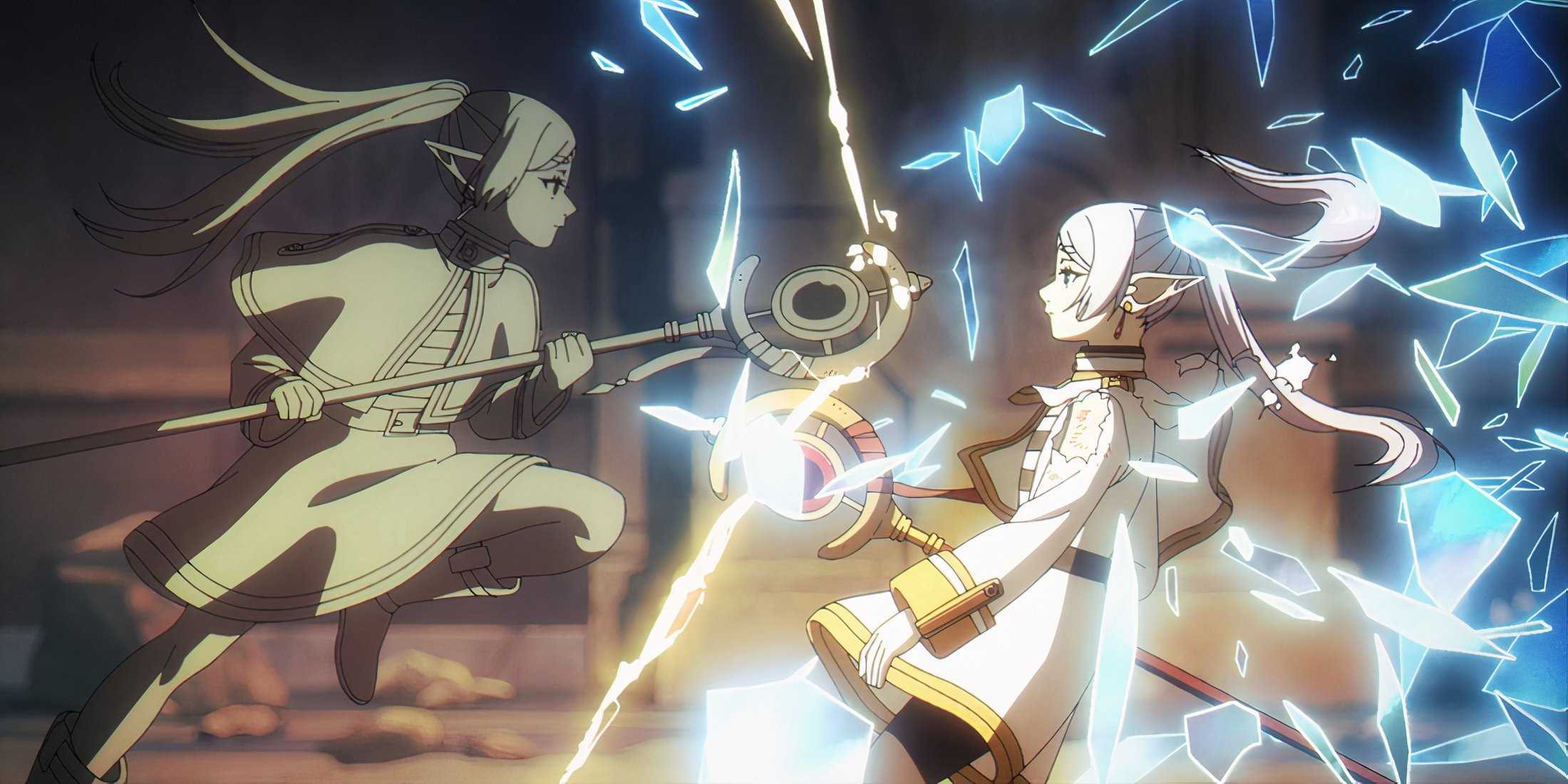
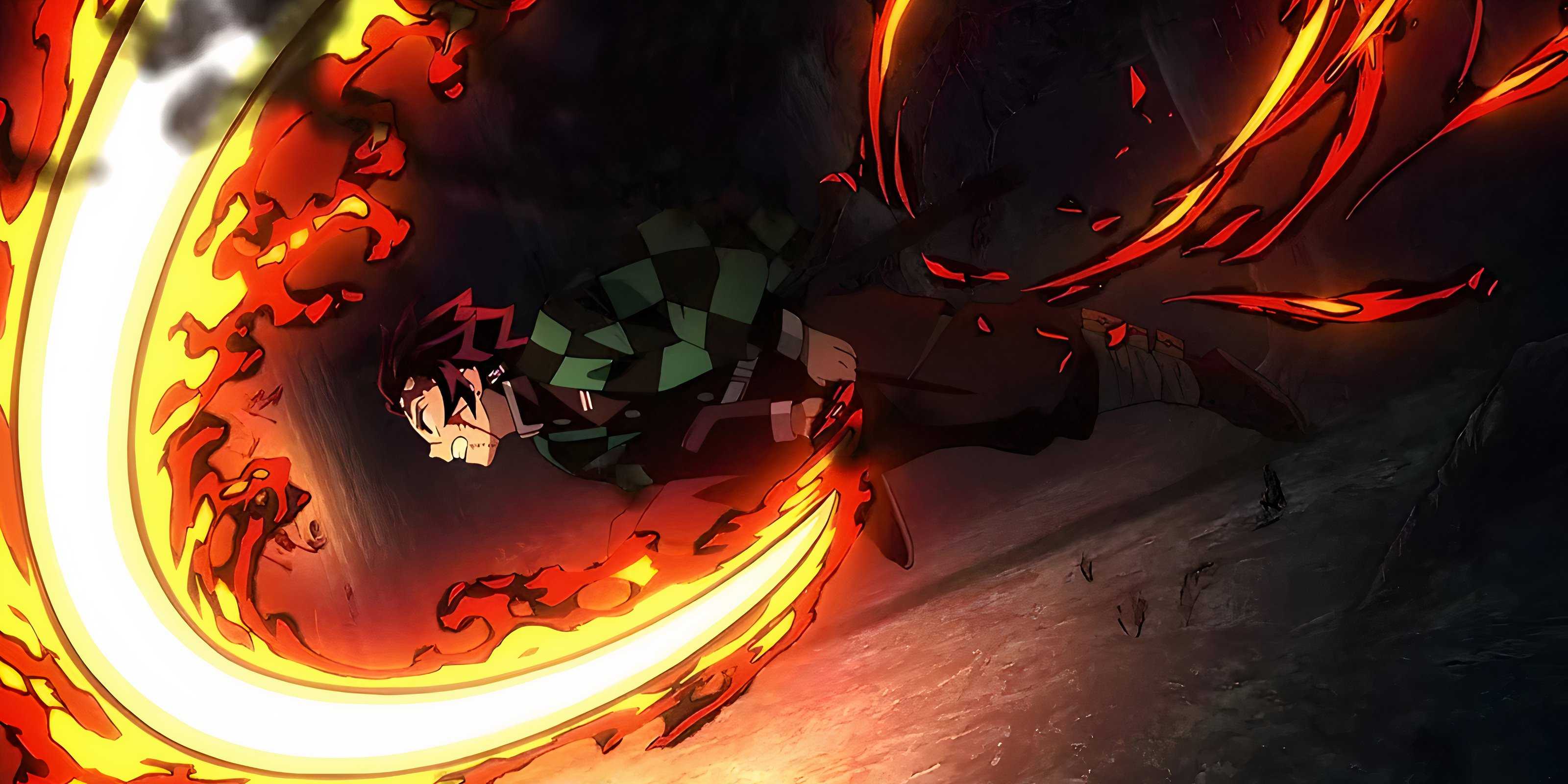
Over the years, the anime industry has seen a major shift in overarching art styles, which is hard not to notice when comparing current shows with older classics. Studios have put a major emphasis on creating series that appeal to audiences not only with amazing stories or charming characters, but also with high-quality animation. Entries like Demon Slayer or Frieren: Beyond Journey’s End, two of the most beautifully animated shows in history, are examples of this trend.
Although it is true that amazing-looking graphics are alluring to fans of all ages, Gen Z viewers have become accustomed to this level of quality, up to the point that some consider it a pivotal trait for a show to succeed. Despite the fact that this opinion comes with a whole new set of issues, such as the exploitation animators suffer, it is understandable that fans who grew up with stunning animation consider it an important aspect of enjoying a show.
9
Anti-Heroes Are Much More Interesting
-
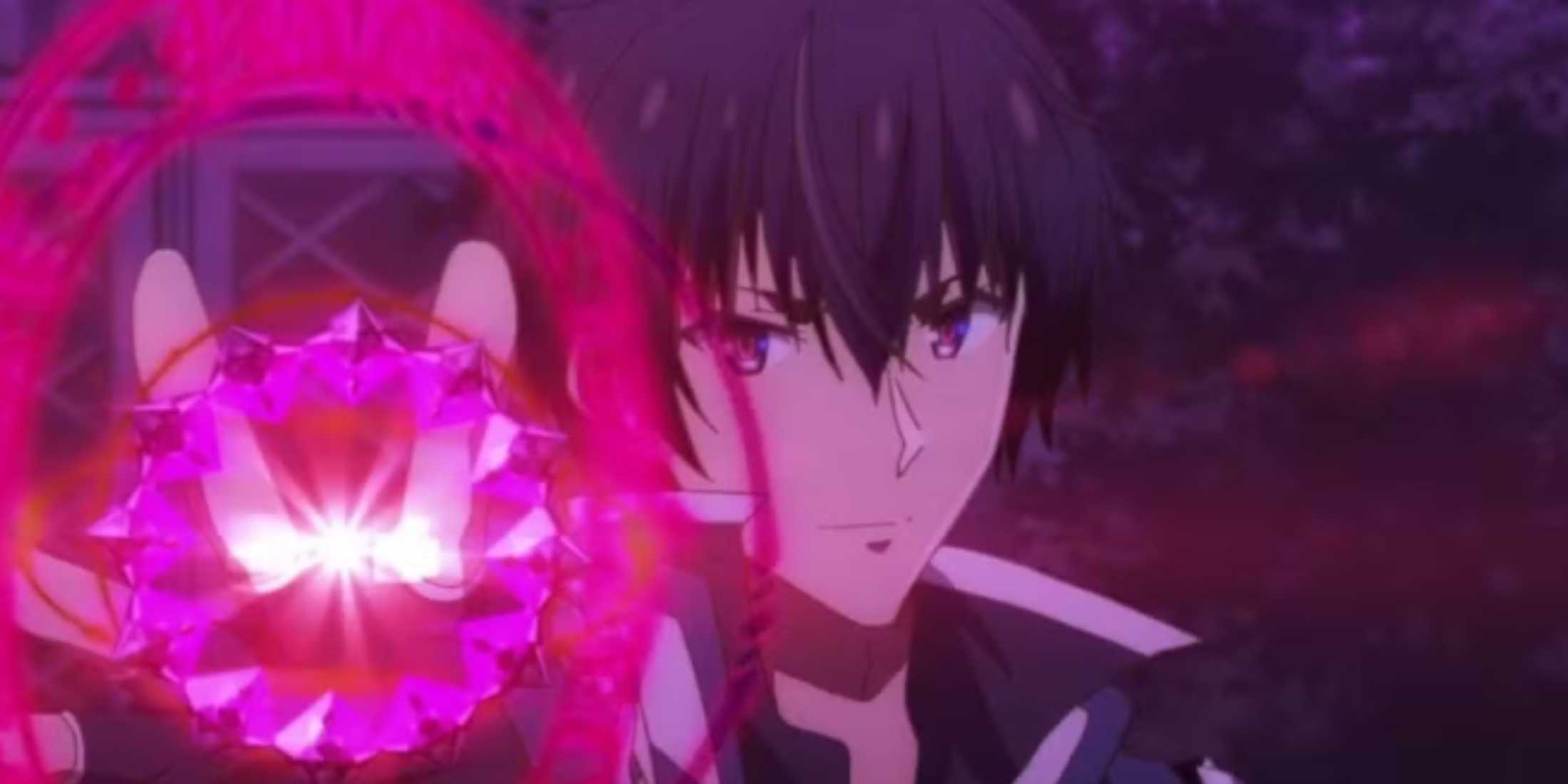 Image via Silver Link
 -
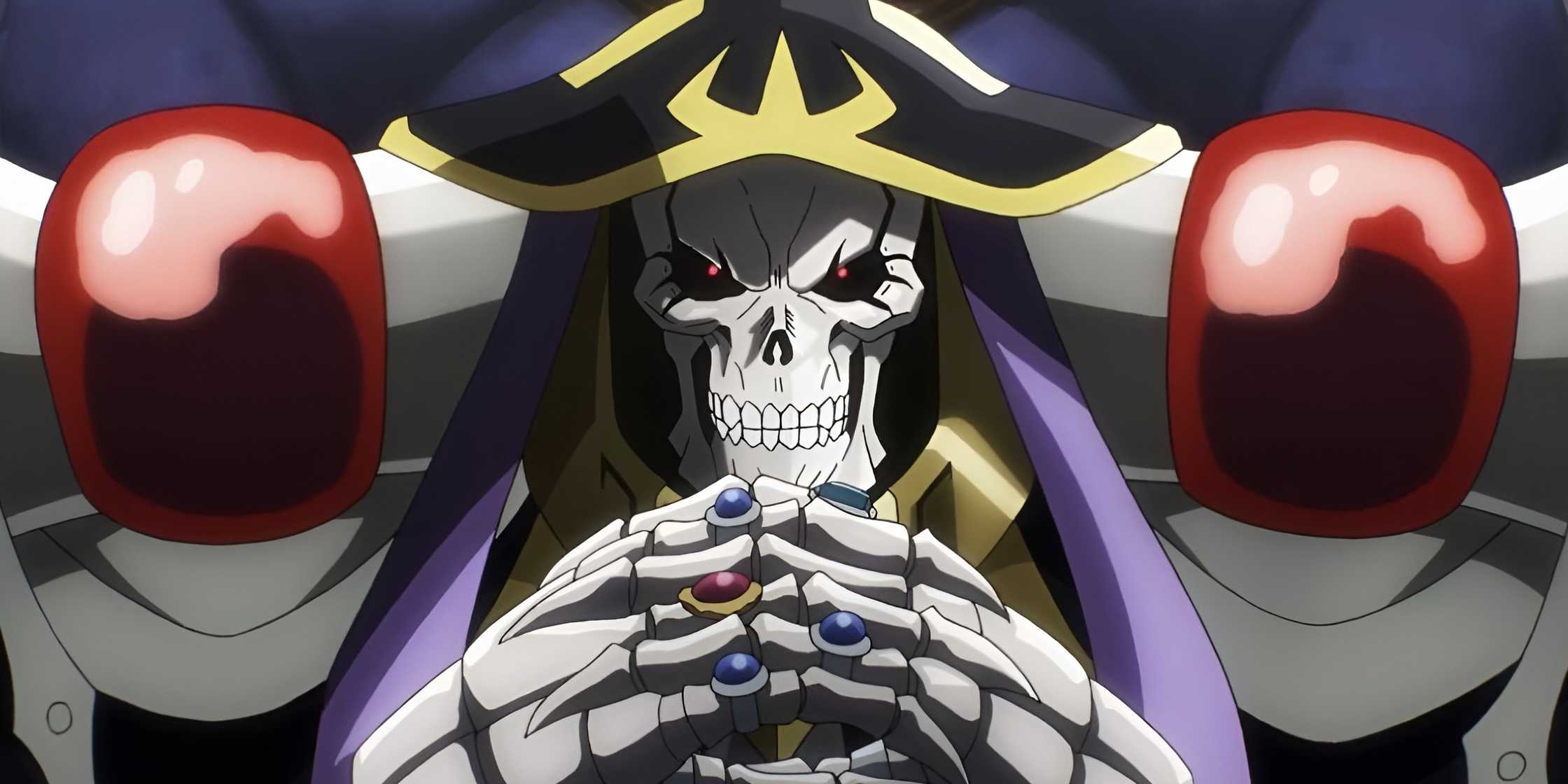 Image via Madhouse
 -
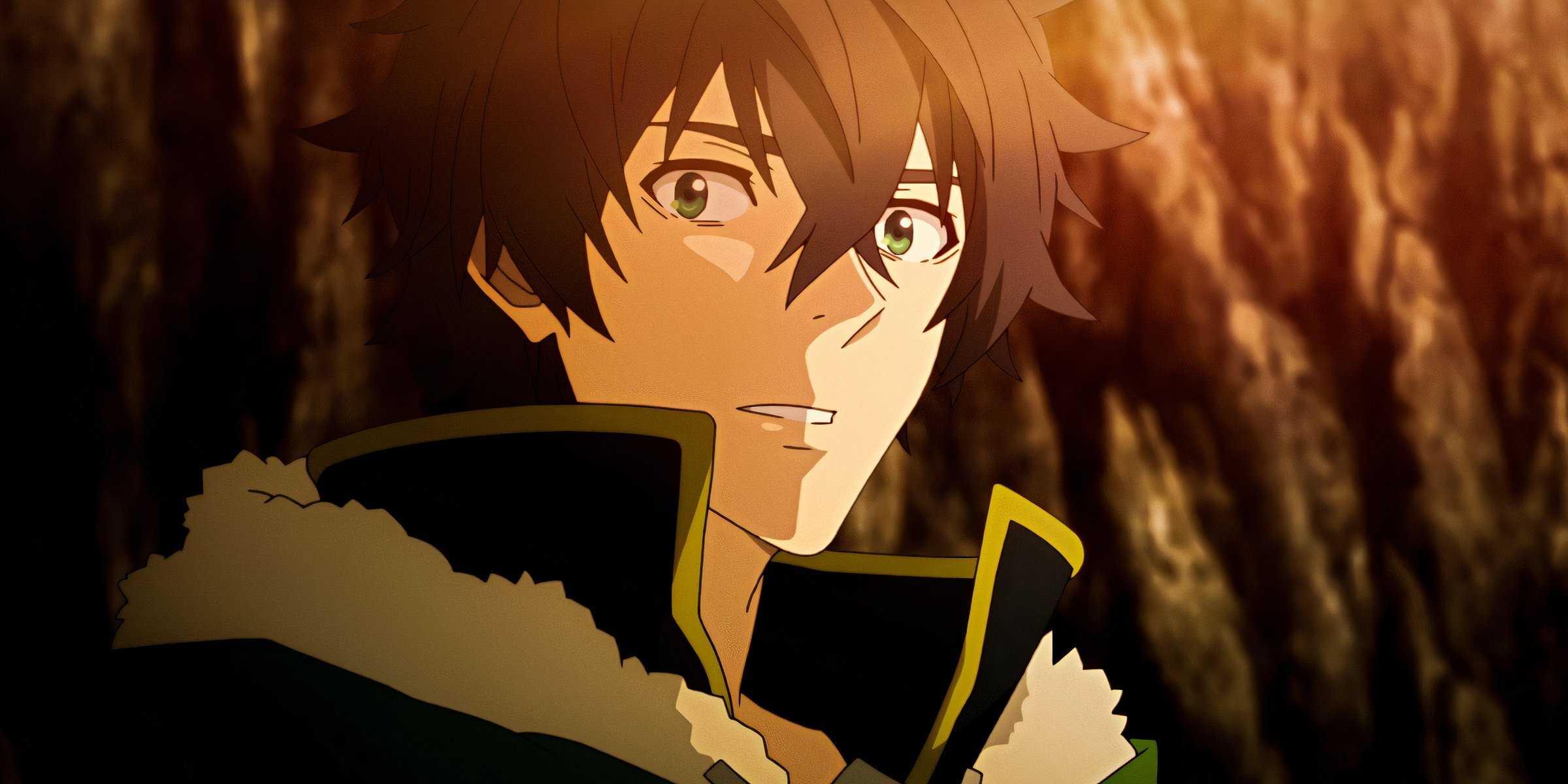
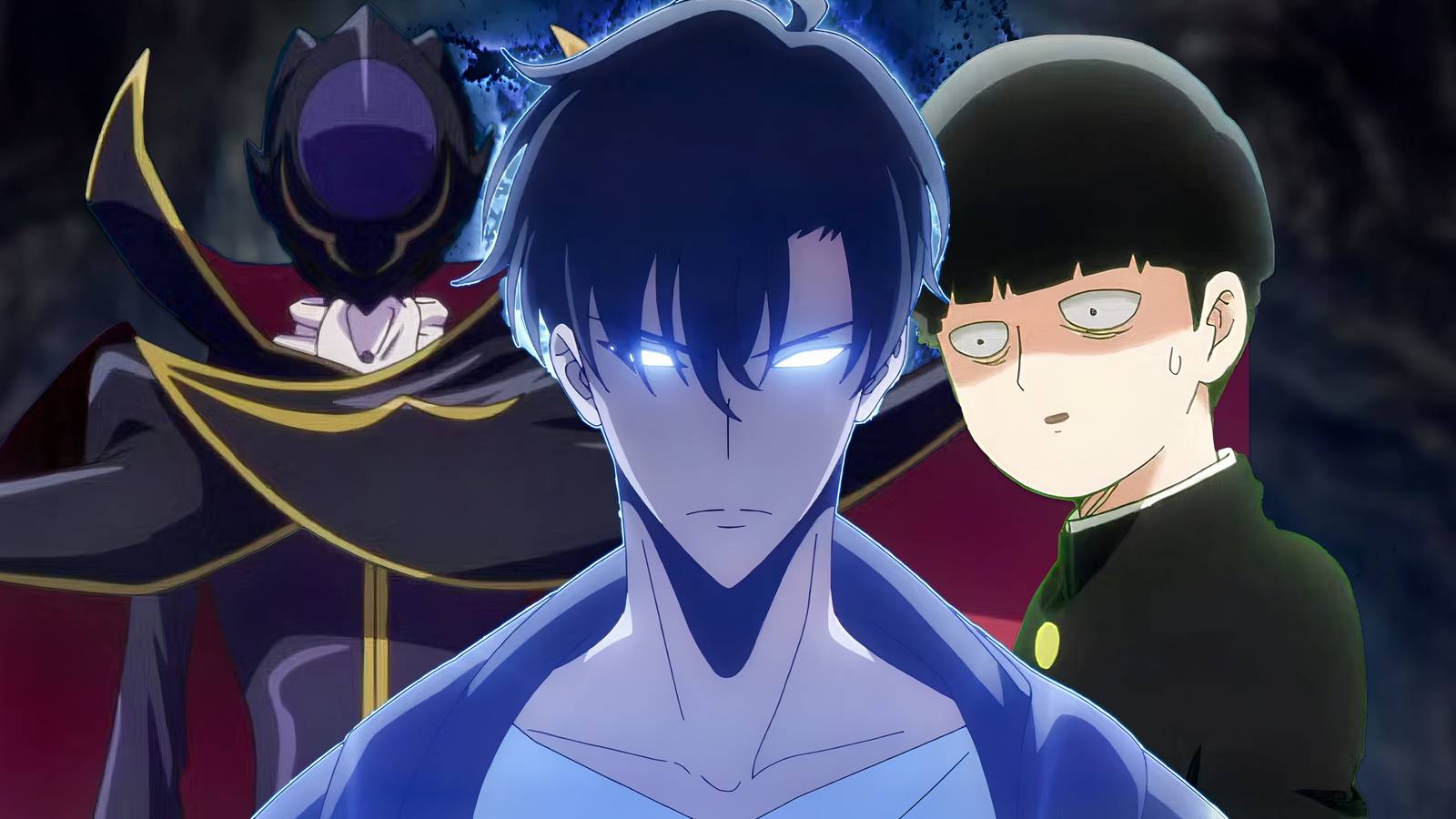
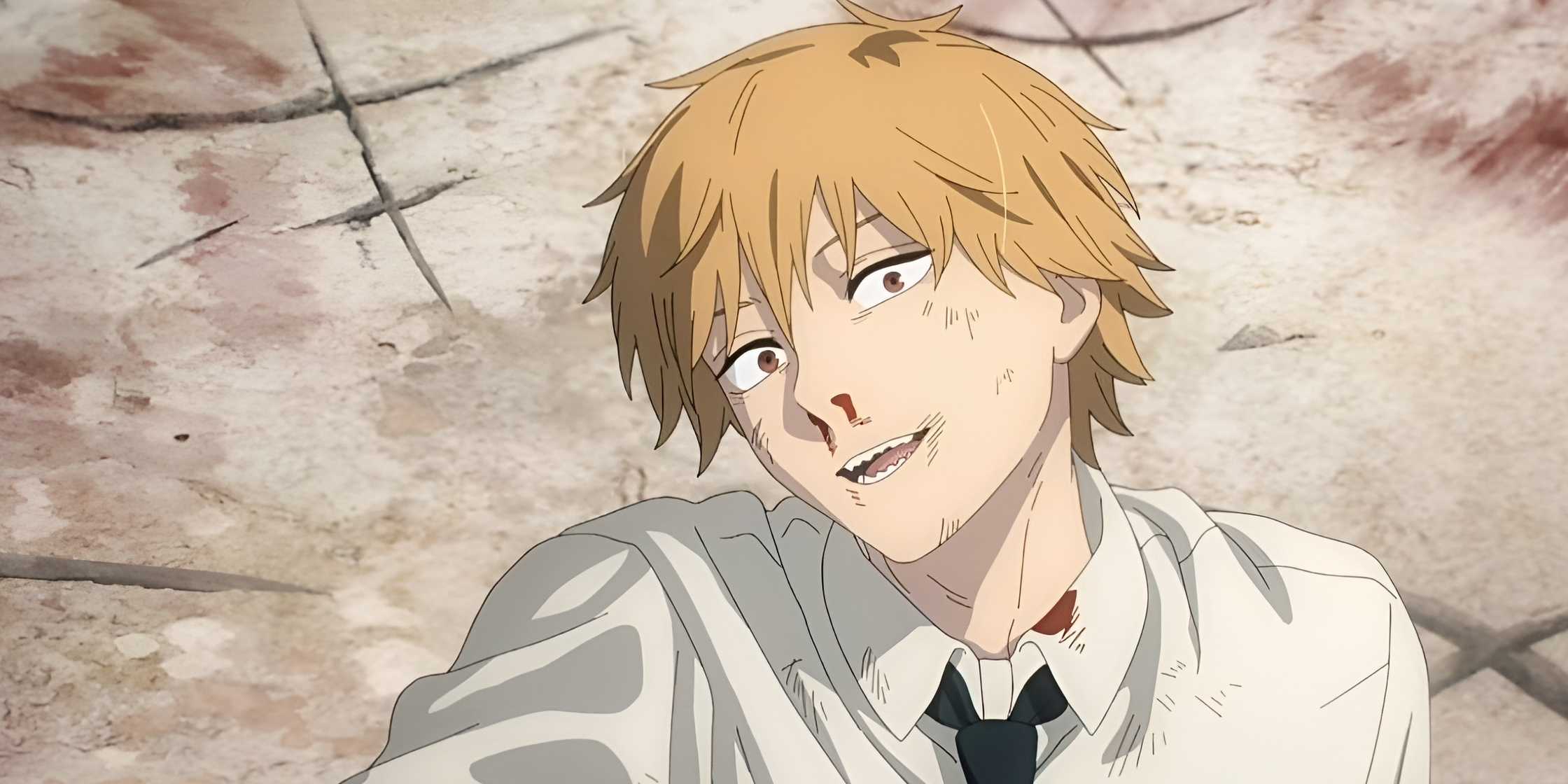
During the 90s and early 2000s, anime was seen as a medium to tell inspiring stories that could impart vital moral lessons to fans. Older generations grew up alongside virtuous and noble heroes who would do their best to always remain good and pure. Around the mid 2010s, the concept of morally dubious or outright anti-heroic protagonists began its media takeover, resulting in a much larger interest in this kind of hero.
Gen Z fans do not seem to dislike the concept of a good-hearted protagonist, seeing as shows like My Hero Academia are quite popular within this community, but anti-heroes are far more popular. The concept of a hero who is capable of almost anything to achieve their goal, not limited by the morality or laws of those around them, does lend itself to telling impactful stories, and Gen Z proves just how popular it can become.
8
Anime Has Been Mainstream For As Long As They Remember
-
-
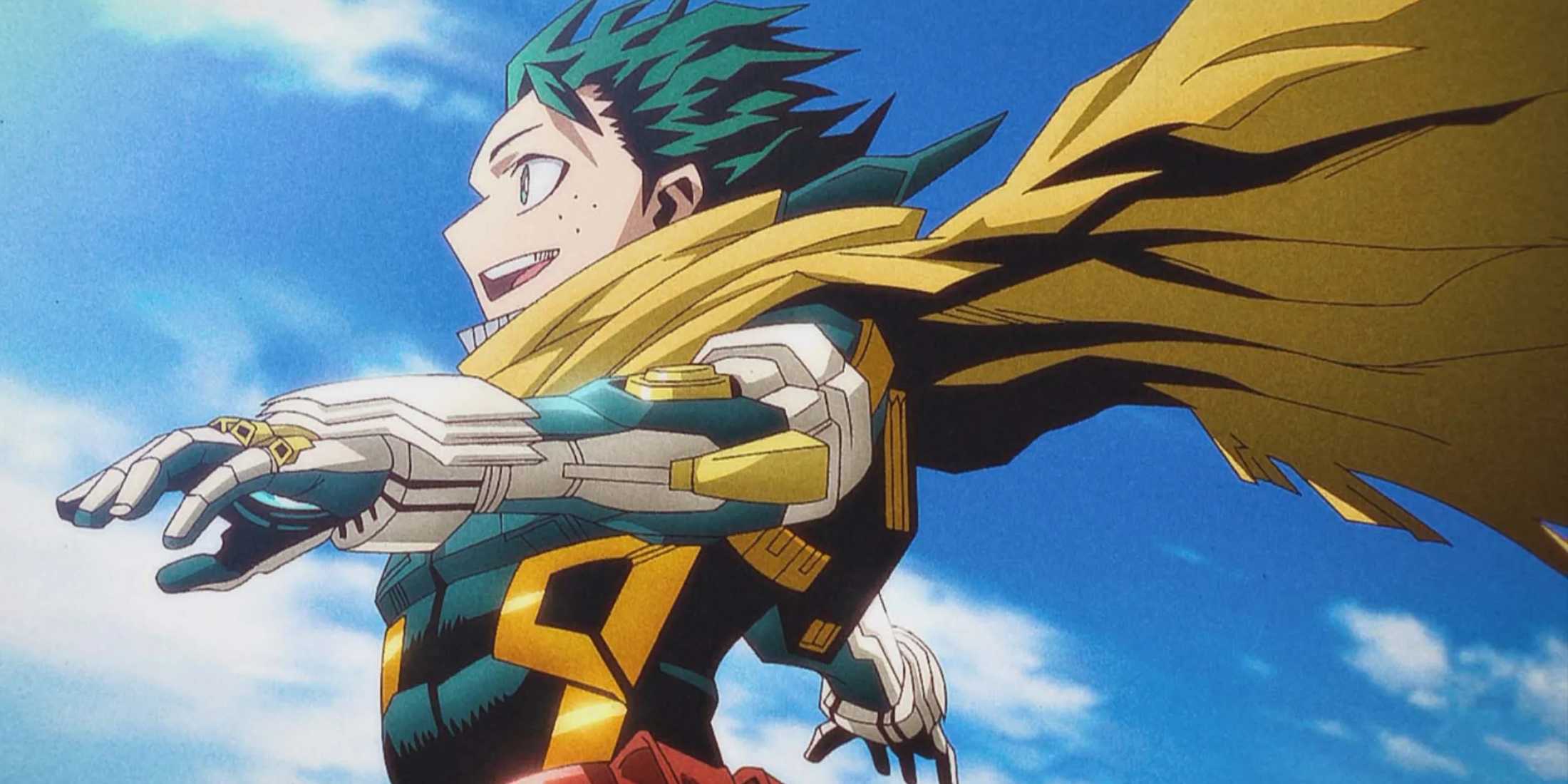 Image via Studio Bones
 -
 Image via MAPPA
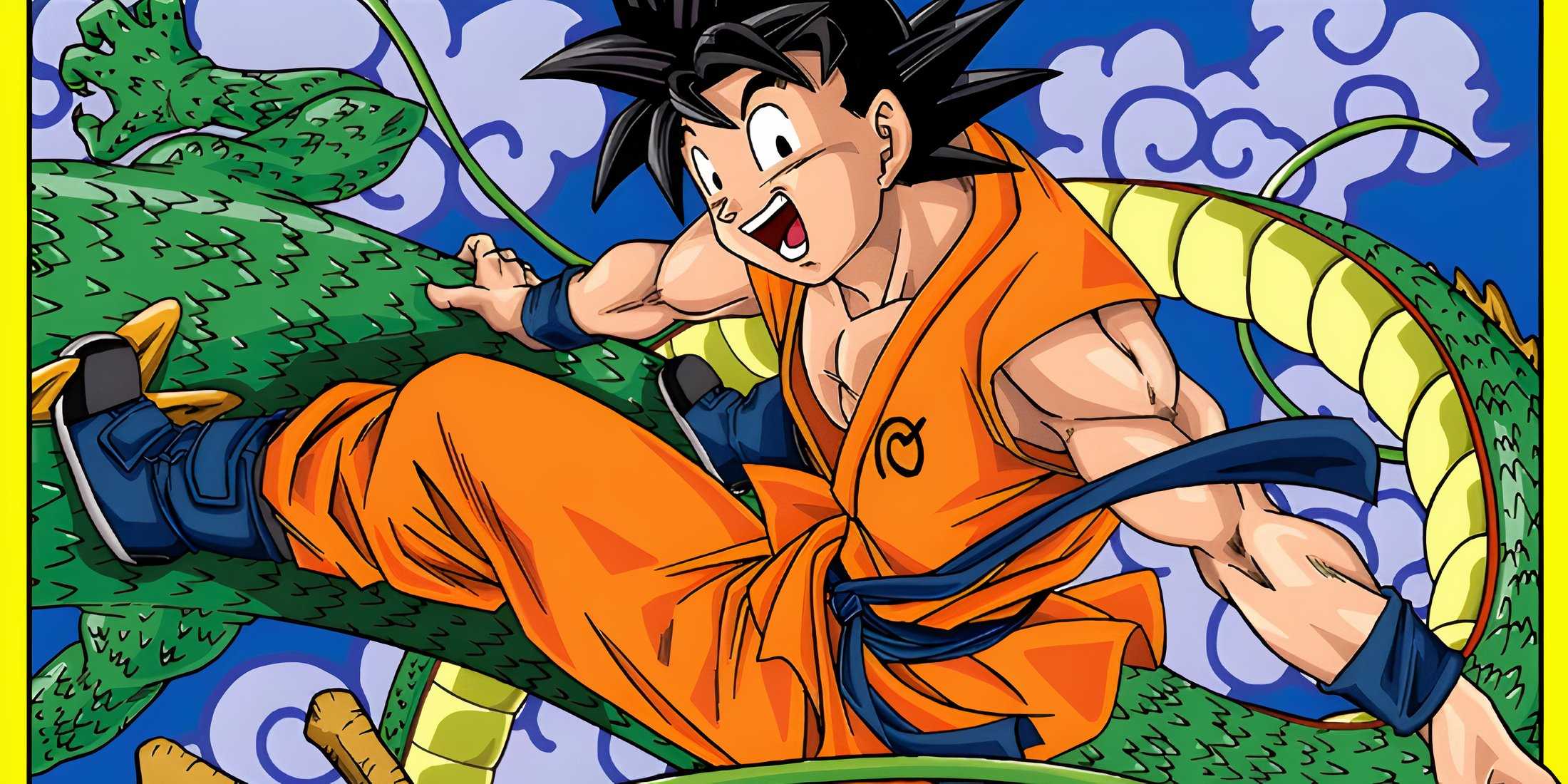
Anime has been an important part of the lives of millions of fans across the globe, no matter their age. Yet, when it comes to distribution and ease of access, it is an undeniable fact that Gen Z was one of the first generations that could easily enjoy their favorite shows. Several younger fans were born in an era in which anime had already broken the necessary barriers to become a major source of worldwide entertainment.
Older fans remember a time when this was not the case, as accessing their favorite series was an entire ordeal. Several of the 2000s best anime were only available through specific channels and at strict times, meaning audiences could completely miss the next episode of their favorite show. While it is a blessing for fans worldwide that streaming platforms have made anime much more available, there was a time when this was nothing but a dream.
7
Filler Makes a Show Unwatchable
Anime fans do not often agree, as opinions on what makes a show enjoyable or not are wide and varied across the fandom, but they can sometimes come to an easy understanding. One of these agreements is that filler, especially in shows that abuse the concept, can severely impact the fun. Yet, even when most fans agree that filler is an annoyance, different generations’ approach to it is quite distinct.
Older generations see filler as a necessary evil, as it serves the role of giving animators and studios as a whole a wider time frame to adapt the events of a manga. Gen Z sees filler as akin to a grave crime, refusing to indulge in it almost unanimously. This has resulted in modern anime trying to avoid filler or unnecessary events almost completely, focusing entirely on bringing the original story to life.
6
Dubs Are As Good as Subs
-
 Image via studio Bones.
 -
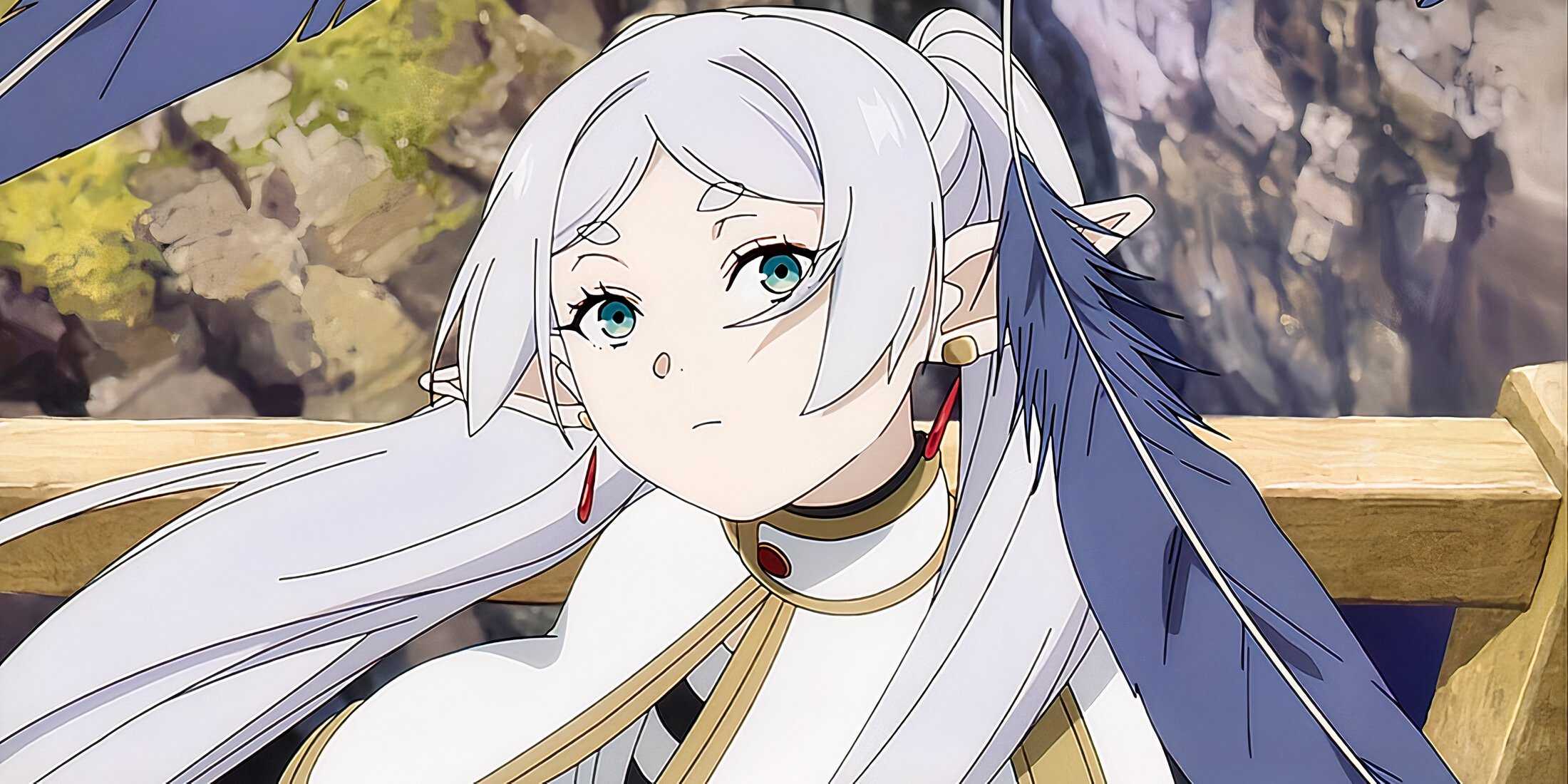 Image via Madhouse
 -
The debate of whether the original Japanese dub or the English one is superior has been a consistent point of contention among fans. For older fans, who suffered through an era in which adapting anime to the English language was not taken as seriously, dubs would often lose or outright ruin the pacing and the themes of a show. Many fans preferred to enjoy the original anime with subtitles, as it would more often than not retain the original intent.
In recent years, English dubs have become not only much more loyal to the source material, but of an outstandingly higher quality. Gen Z fans have not been subjected to infamous bad dubs like that of the original Dragon Ball or 4KIDS’ One Piece. Due to this, they have a much more favorable opinion of English dubs, with a significant portion of the younger fans preferring this version.
5
One Piece is Far Too Long
-
 Image via Toei Animation
 -
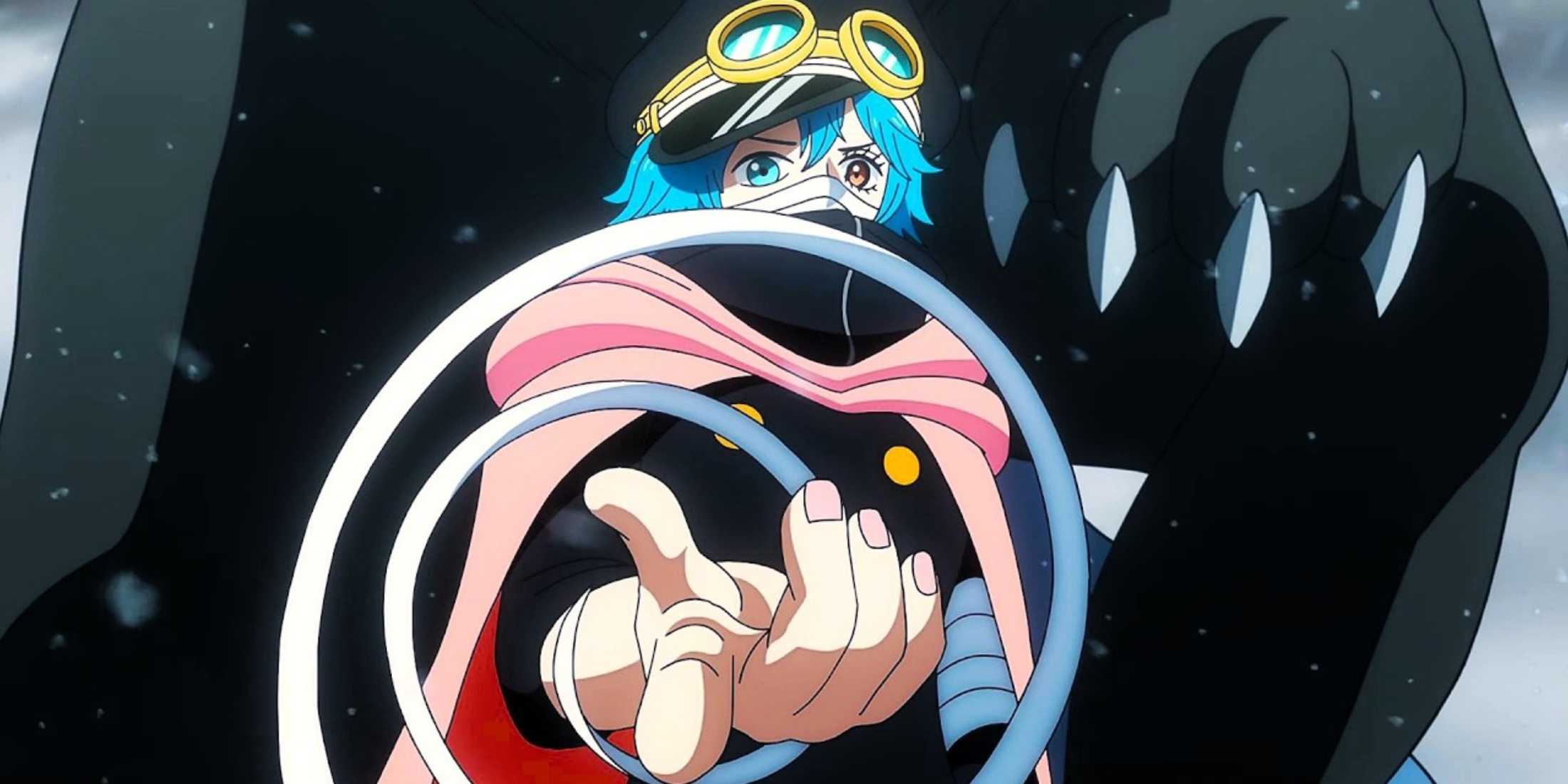 Image via Toei Animation
 -
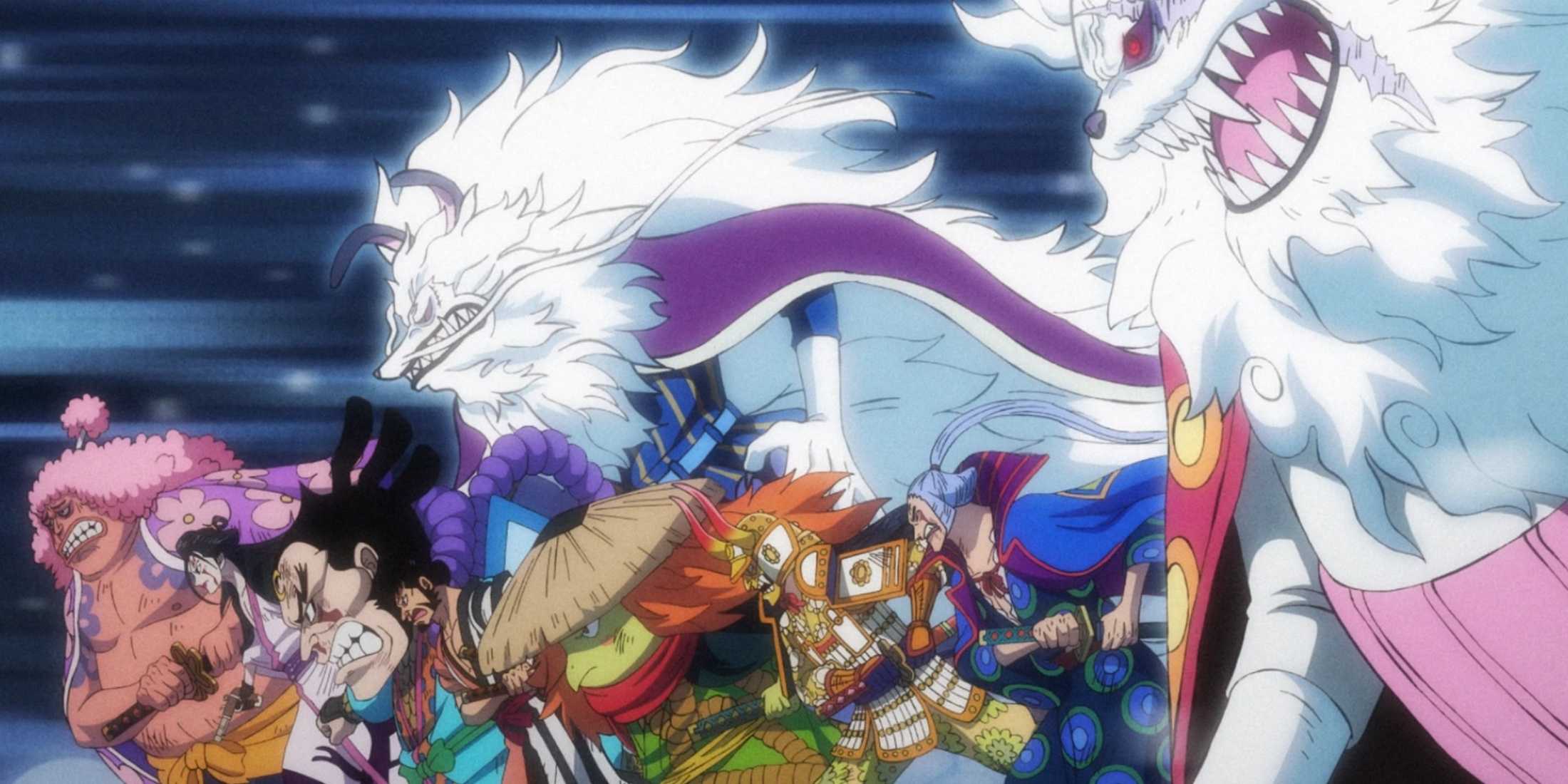 Image via Toei Animation
One Piece is, by all metrics, one of the best and most memorable shonen series in history, utilizing a charming cast and a fantastical world to tell a story about freedom, friendship, and corruption like no other. Yet, even though the series is quite enjoyable, it is infamous for its outstanding length, being over 1,000 episodes long and counting.
Fans who grew up alongside Luffy and his crew have a special place in their hearts for this beloved show, making it easy for them to continue enjoying the show despite its length. Gen Z fans who did not experience the beginning of One Piece do not feel like watching over a thousand episodes to catch up with the story, no matter how good it might be.
New Questions Added!
GameRant Quiz
4
Old School Anime Is Too Slow
-
 Studio Pierrot
 -
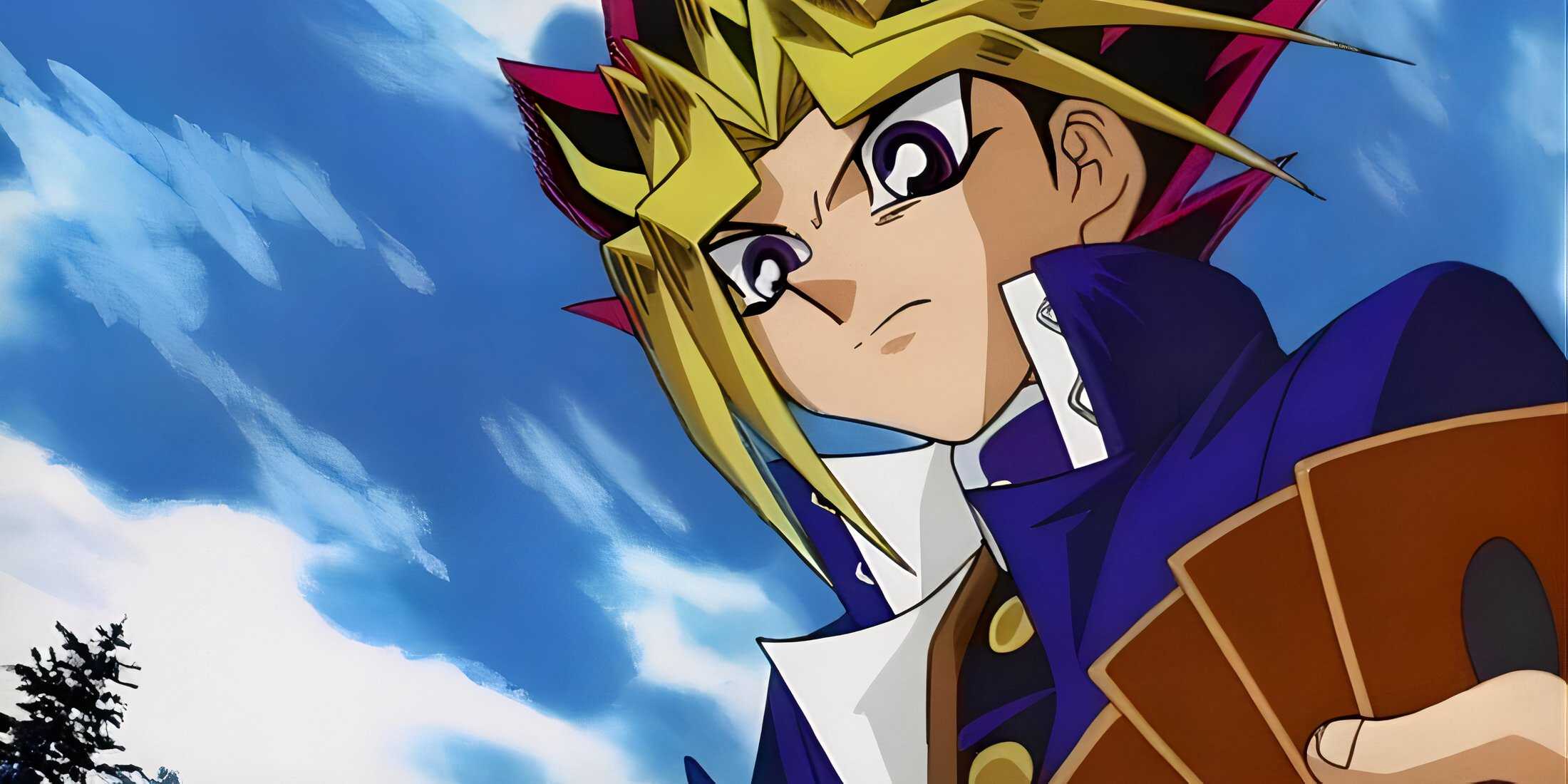 Image via Toei Animation
 -
 OLM Inc.
Modern anime are, in a large majority of cases, known for their fast-paced story that disregards almost all non-essential moments. Shows tend to cut down their source material not only to make the work easier for the team behind the series, but also to keep fans engaged and entertained. This has caused Gen Z fans to become accustomed to speedy and focused plots that are driven entirely by the necessities of the story.
Lamentably, this has also been the cause of several younger fans finding many of the classics of the 90s and 2000s era as far too slow for their tastes. This is understandable, since shows from the last couple of decades used to take their time developing the characters and extending arcs and battles as much as possible.
3
Seasonal Anime Are Better Than Continuous Releases
-
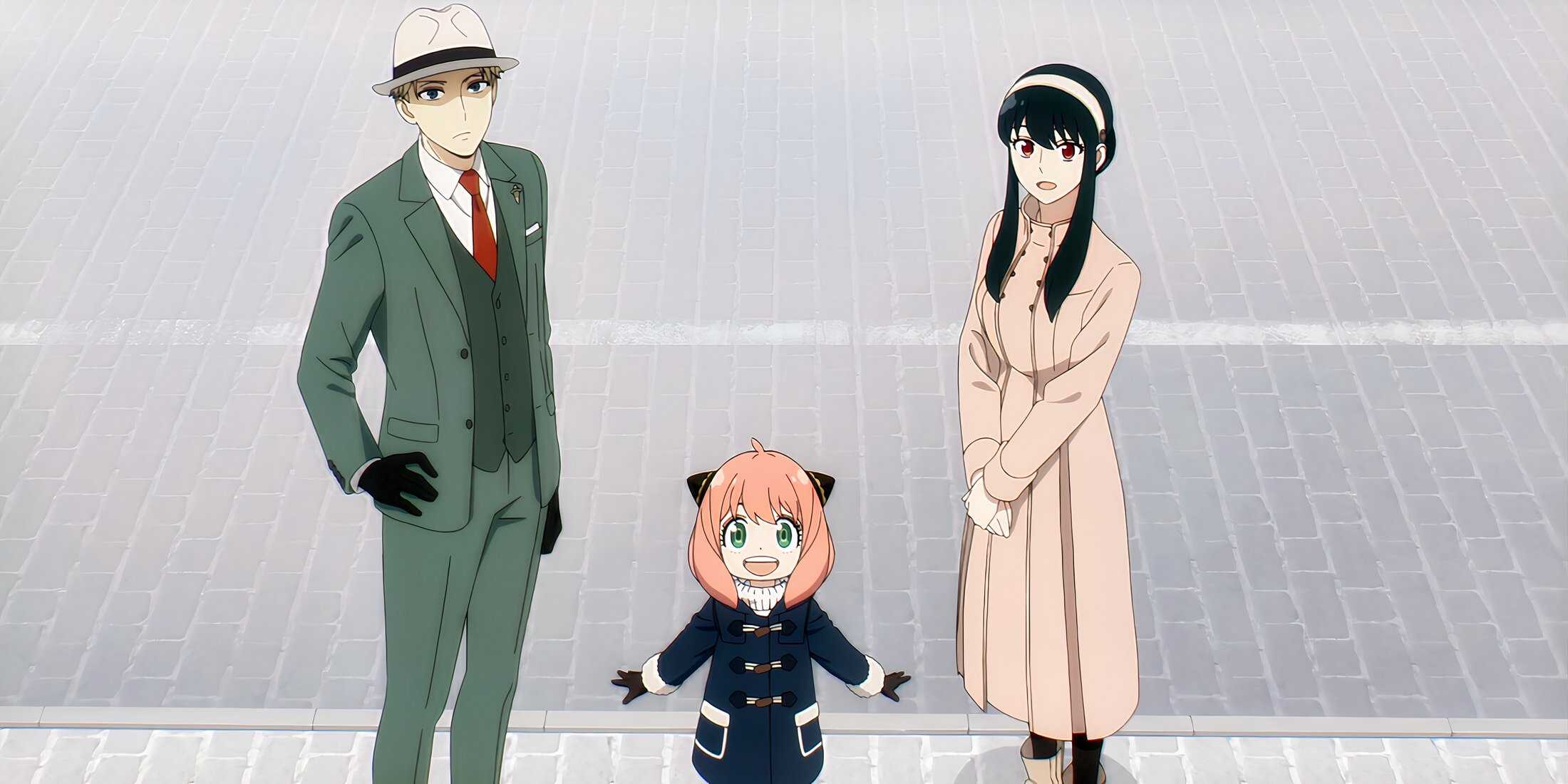 Image via Wit Studio
 -
 Image via CyPic
 -
 Image via MAPPA.
Despite not being talked about enough among the community, one of the biggest shifts that the anime industry has seen over the years was the slow shift from continuously airing anime to seasonal releases. During the early 90s up to the mid 2010s, shows would often run for extended periods of time, taking short breaks between releases to then continue uninterrupted for a few more months.
Recently, anime have shied away from this trend, preferring to be released in shorter, more condensed release windows and taking bigger breaks in between seasons. What’s more, platforms like Netflix often release entire seasons all at once, promoting a culture of binge-watching that has become prevalent among Gen Z fans.
2
The Isekai Genre Has Become Over-Saturated
-
-
 Image via Studio Deen
 -
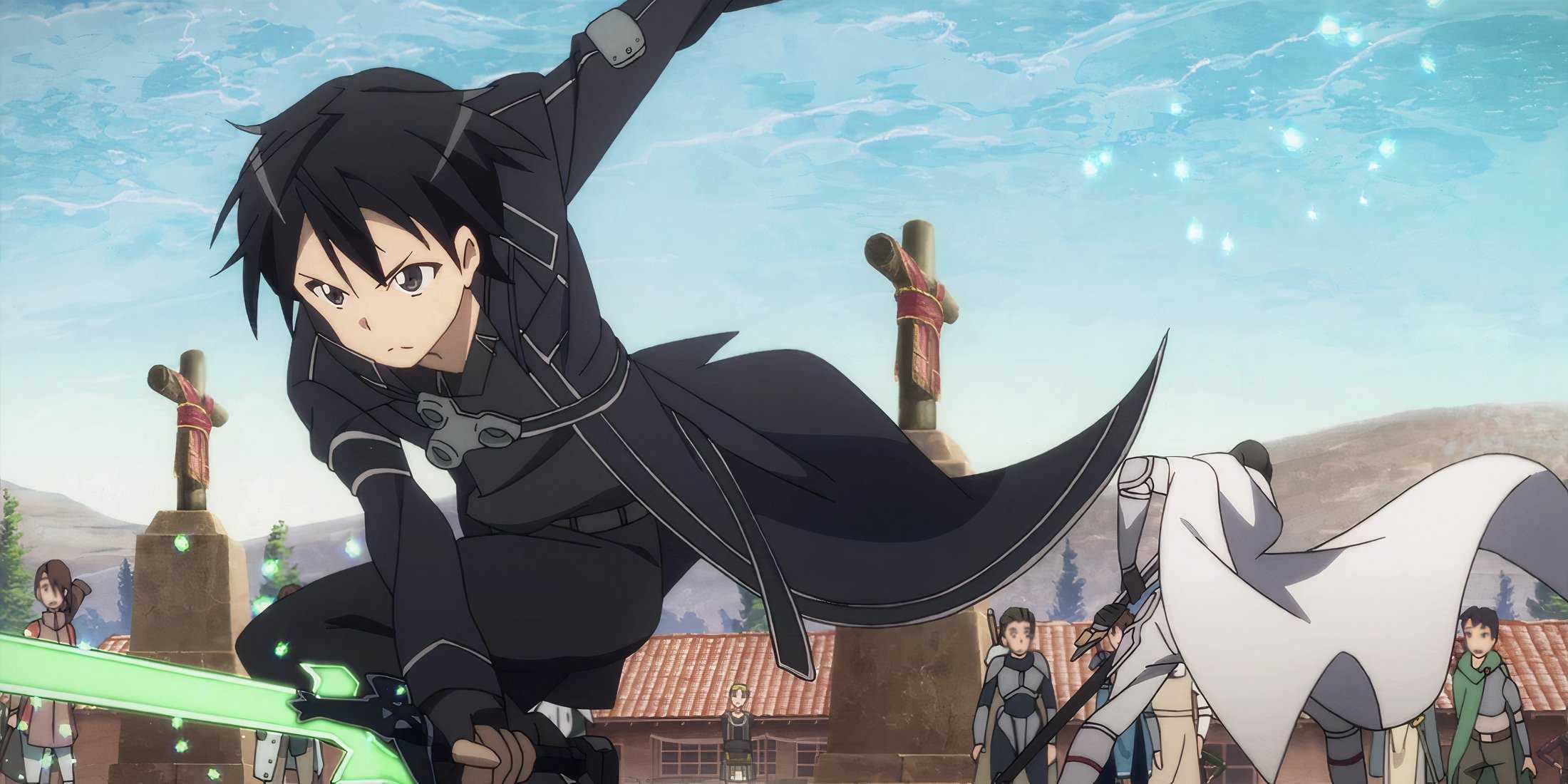 Image via A-1 Pictures.
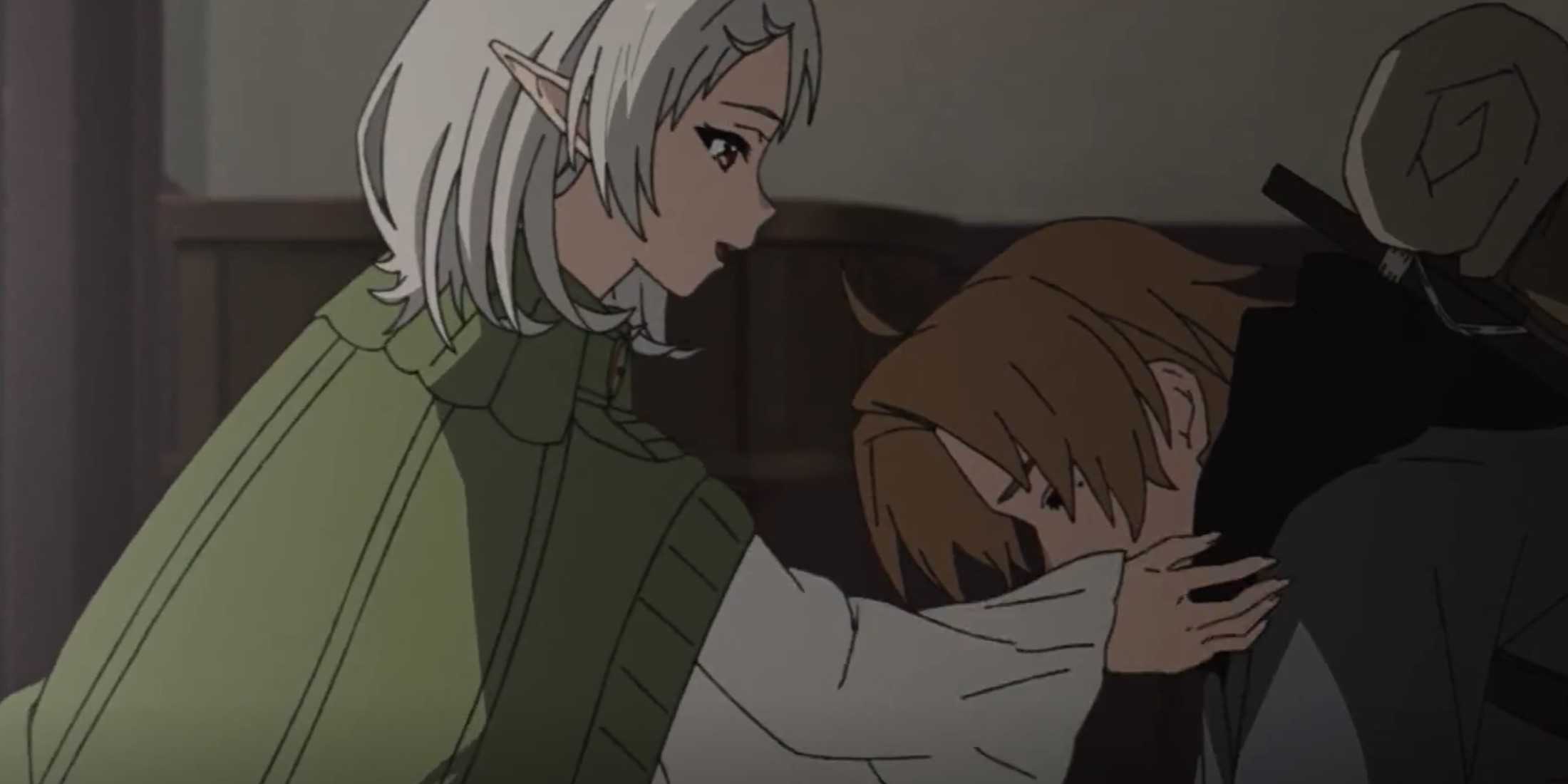
Right in the middle of the 2010s, when the anime industry as a whole saw a massive shift in perception globally, the isekai genre rose to unexpected levels of popularity. Since then, there has been no season in which two or more shows based on regular people being transported to fantastical worlds have not been released.
A significant portion of Gen Z fans began their anime journey around this time frame, meaning that they have been inundated with isekai shows since they can remember. While even Millennials agree that this particular concept has been somewhat overused, it is younger audiences who have been vocal about their desire to see other genres being represented.
1
Power-Fantasy Anime Are Widely More Popular
-
 Image via A-1 Pictures
 -
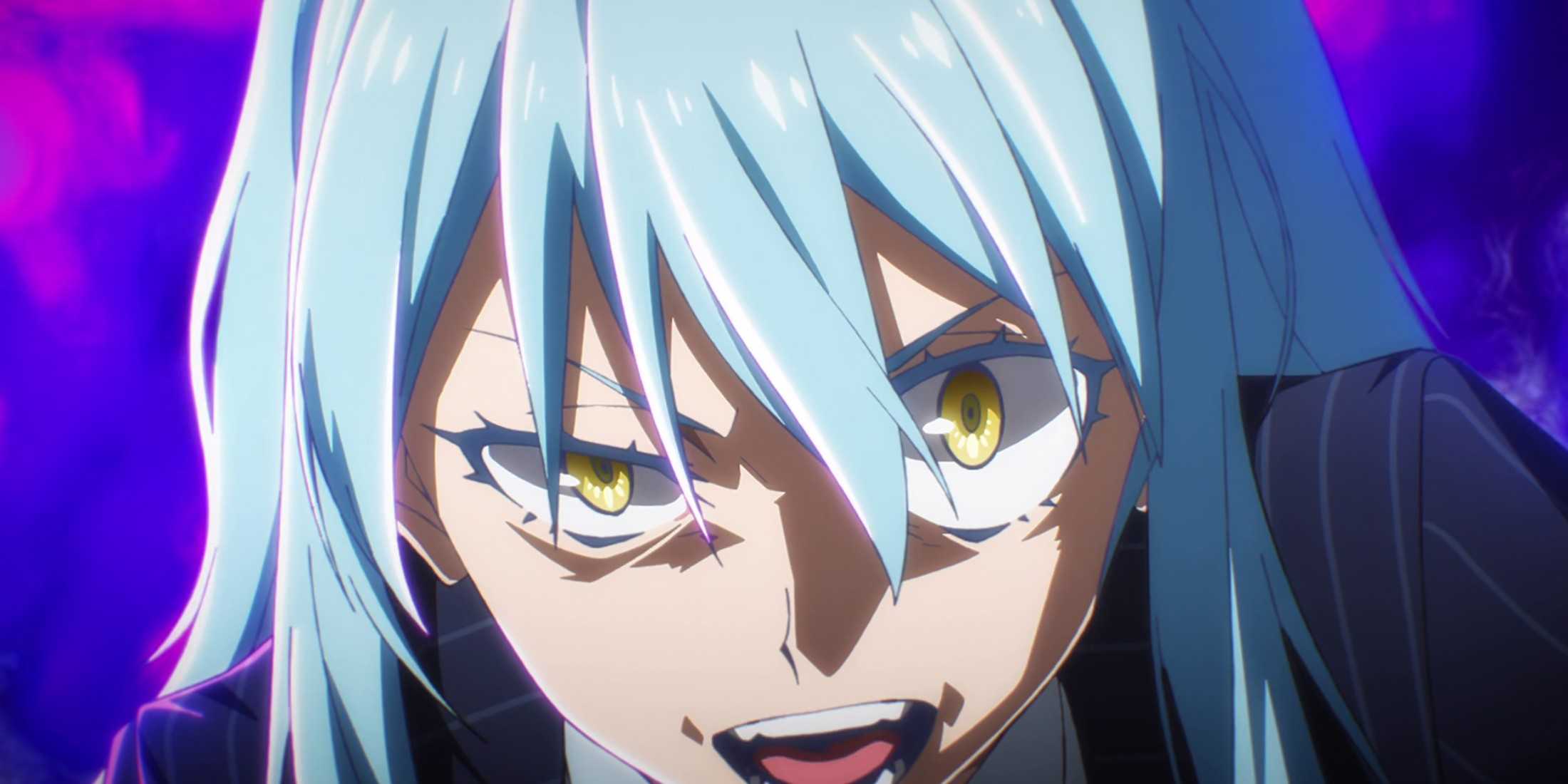 © Taiki Kawakami, Fuse, KODANSHA/ “Ten-Sura” Project
 -
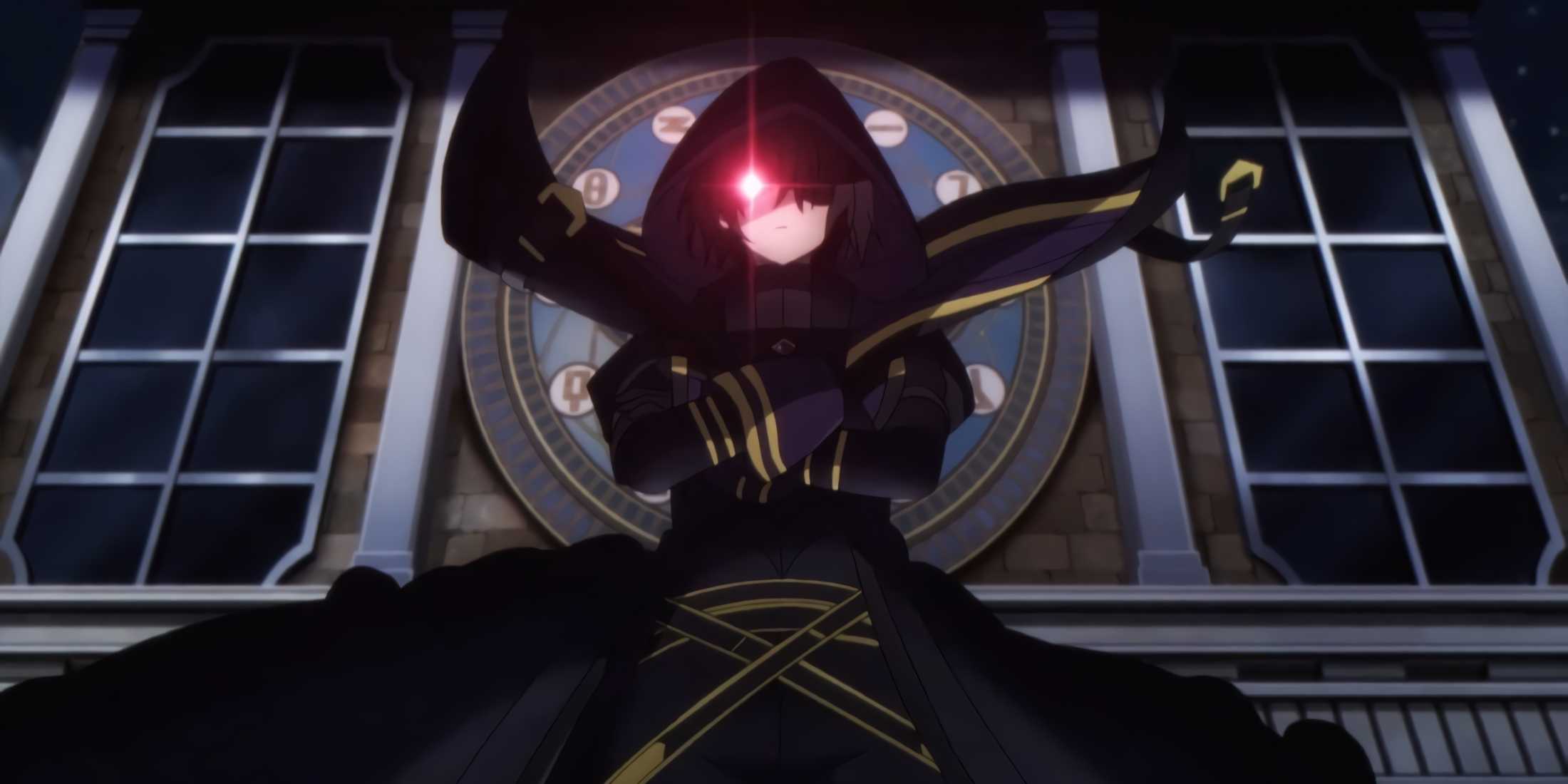 Image via Nexus
Anime heroes were, for most older fans, an inspiration to become better and work hard, teaching audiences about the value of discipline, friendship, and confidence. These protagonists were righteous individuals who had to train and suffer to achieve the peak of their power, which was one of the reasons why fans loved them. Recent years have seen this trope be less utilized, replaced by significantly more powerful and morally ambiguous protagonists.
Older audiences grew up alongside noble heroes whose strength grew slowly, while Gen Z fans have been accompanied by heroes who defy what being a protagonist means. These characters have become key players in popularizing the power-fantasy concept among anime fans. Seeing the cultural impact that fighters like Jin-Woo or Rimuru have had on audiences, it is hard to ignore just how fun these shows can be.
