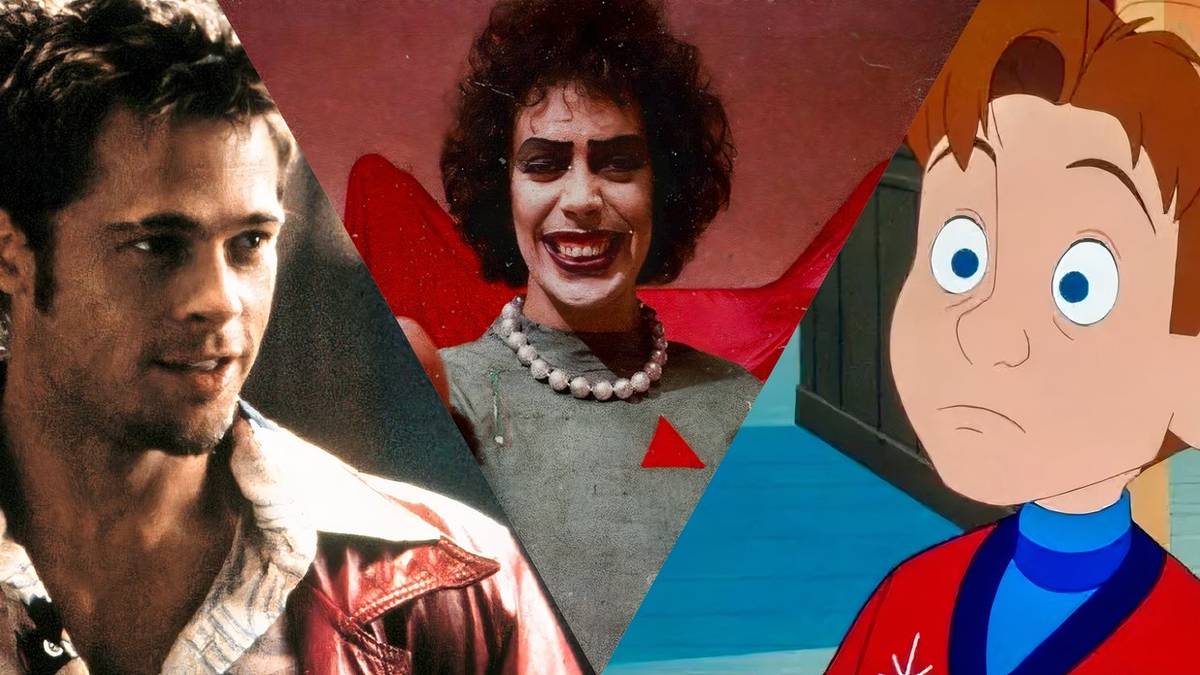
In the world of movies, the term “box office bomb” can seem daunting. The word alone seems to spell out doom for the films that find themselves with that label, but to paint a clearer picture of what qualifies a theatrical failure, it’s important to know that most major pictures need to make at least 2.5 times their budget in sales to break even with their production. Moreover, just because a movie makes enough to cover that number doesn’t mean it was actually successful, since it technically didn’t turn a profit.
Several factors can also influence how a film performs, such as its promotion and audience reception. Still, bombing at the box office doesn’t necessarily say anything about its quality, as some of the best movies of all time have underperformed financially, like The Thing and The Shawshank Redemption. This isn’t a complete list of those movies, but it does include some of the best examples of titles that have overcome their box office numbers.
8
It Was Nearly Game Over for Scott Pilgrim Vs. the World at the Box Office

It’s hard to imagine that Scott Pilgrim vs. The World was originally a box office flop, especially considering its current status as a well-produced cult hit and the fact that the source material came with an established fan base. That said, its opening weekend numbers only recouped one-eighth of its $85 million budget. It could’ve been the result of poor marketing, since it’s difficult to accurately promote a movie that combines superhero, romcom, and martial arts elements. But, even by the end of its theatrical run, the third major Edgar Wright movie only hit $50 million at the worldwide box office.
Despite this, Scott Pilgrim is often considered a masterpiece. It contains the greatest Michael Cera performance, launched a resurgence for the original graphic novels, and also spawned Netflix’s Scott Pilgrim Takes Off and two video games: the beloved Scott Pilgrim vs. The World: The Game and the follow-up by Tribute Games, Scott Pilgrim vs. The World EX. With its unique style, perfect soundtrack, and relatable characters, it’s no wonder Scott Pilgrim is such a widely-beloved movie.
7
The Big Lebowski Had Big Shoes To Fill & Even Bigger Competition

The Big Lebowski wasn’t a financial disaster or even an overall loss. In fact, after costing Gramercy Pictures $15 million to make, the film surpassed its necessary sales for a profit by bringing in $19 million domestically and $28 million internationally. While these numbers do look positive, it still was a box office bomb in other ways. During its opening week, the Jeff Bridges movie only accumulated just over $5 million in ticket sales.
After just barely making enough to turn a profit, critics gave The Big Lebowski a mixed reception. For example, critic Roger Ebert understood Lebowski almost immediately, enjoying it enough to rate it a 3 out of 4 stars, but his co-host, Gene Siskel, felt differently. He argued that the Coen brothers’ follow-up to Fargo was a big disappointment, with uninspired humor and a tired plot.
Admittedly, The Big Lebowski was a disappointment, but only financially. The Big Lebowski‘s theatrical release in March 1998 meant it followed the Oscar-winning legacy of its predecessor and was up against the massively successful Titanic, which was still in its 10-month-long theater run. While this spelled disaster for Lebowski in theaters, it eventually became one of the best movies about mistaken identity. Lebowski also joined Tron as one of Bridges’ most iconic roles and inadvertently spawned non-cinematic offshoots.
6
Rocky Horror Picture Show Set the Standard for Life After Bombing at the Box Office

The Rocky Horror Picture Show is undoubtedly a classic, and it’s considered one of the greatest movie musicals ever made, though most didn’t think so when it released in 1975. In both its original Broadway run and cinematic release, Rocky Horror was a flop. 20th Century Studios gave it a production budget of $1,200,000, which was relatively low even during the 1970s. Unfortunately, Rocky Horror‘s opening weekend at the box office only saw a disappointing return of $21,000, and it was so critically panned that 20th Century pulled it from theaters. What saved it and propelled it into cult status was everything that happened thereafter.
As a last-ditch effort, ad exec Tim Deegan made the switch for Rocky Horror to be sold as a “midnight movie” on April Fool’s Day at the Waverly Theater (now the IFC Center) in New York City. The plan was an enormous success, as only a few months later at that same theater, Rocky Horror’s legendary audience participation was born when fans began shouting riffs at the screen. Today, Rocky Horror is celebrated as the definitive iconic queer cult classic for Tim Curry’s cinematic debut and its 50+-year theatrical release.
5
The Iron Giant Was a Colossal Marketing Misstep by Warner Bros

Counting its worldwide theatrical numbers, The Iron Giant only made $32 million back of its $50 million production budget thanks to low promotion and stiff competition. During its opening weekend, The Iron Giant premiered alongside M. Night Shyamalan’s breakthrough movie, The Sixth Sense, which dominated box office sales. Warner Bros. also failed to promote the film because the studio was reportedly skeptical about backing another feature animation after Quest for Camelot’s failure. It’s not necessarily surprising, then, that The Iron Giant’s director, Brad Bird, expressed some dissatisfaction.
“Our exit poll results have been outstanding–once we get people into the theater for the first minute, they love it. But the challenge has been getting them into the theater at all–a lot of people simply aren’t aware that the film is even out there.” — Brad Bird
The Iron Giant earned critical acclaim after its theatrical run. The animated sci-fi flick won nine Annie Awards, including Best Animated Feature, as well as a BAFTA Award for Best Children’s Feature Film in 2000. Like many movies that failed at the box office, The Iron Giant was further saved by its home release and DVD run, and its overwhelming success proved that emotionally complex family movies could exist well outside the Disney mold. Vin Diesel’s minimalist performance was also praised, helping cement his voice acting ability and landing him the role of Groot in Guardians of the Galaxy.
4
Fight Club Bombed After Being Marketed As An Action Movie
-(1).jpg?q=49&fit=contain&w=1400&h=700&dpr=2)
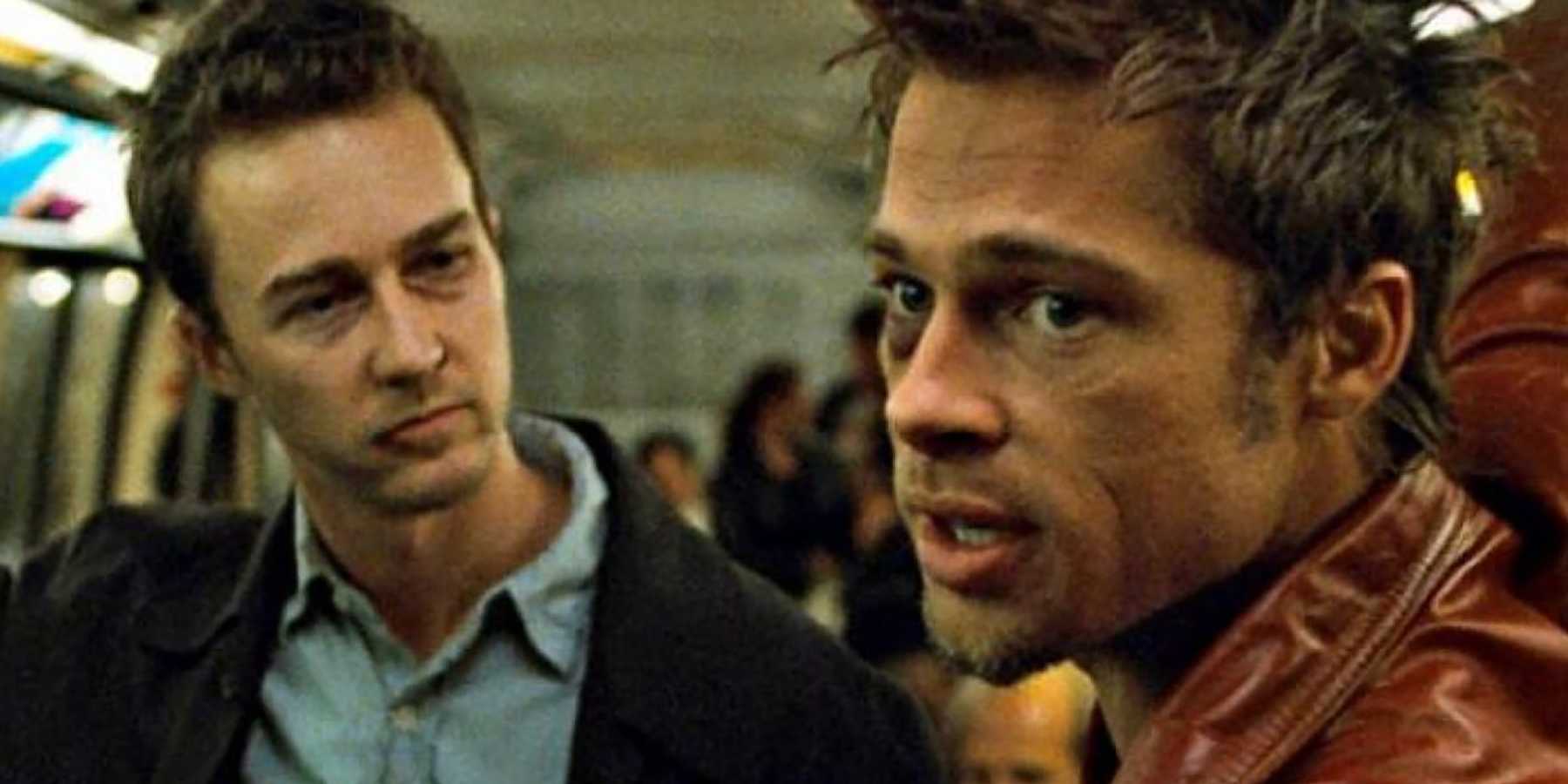
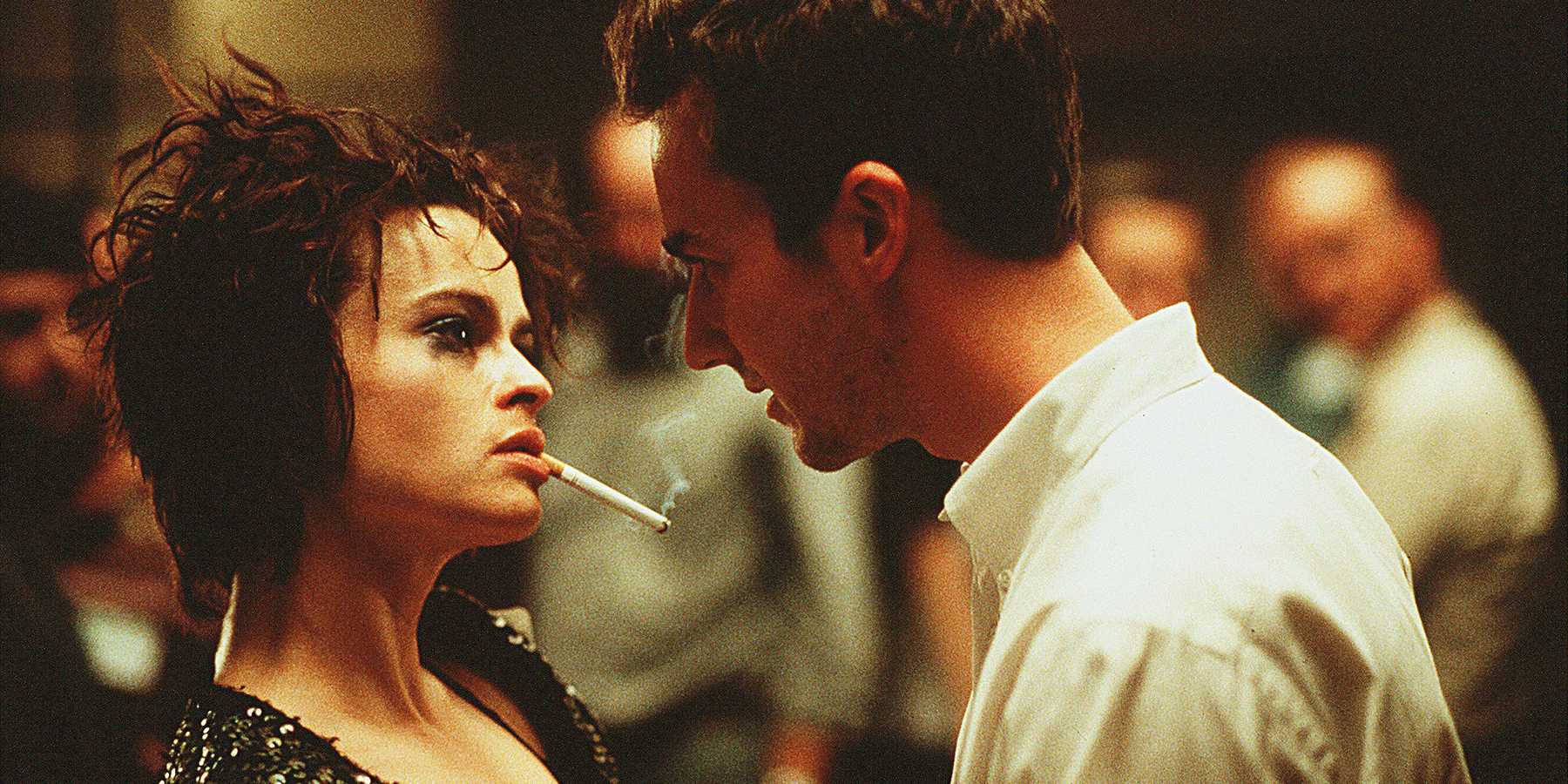
Though it may seem like faithful book adaptations are destined to be failures, David Fincher made a defining cult movie when he adapted Fight Club for the big screen. Unfortunately, its box office premiere made just over $11 million, after costing 20th Century Studios $65 million to produce. Even when its worldwide numbers are considered, Fight Club earned a total of just under $102 million, which still doesn’t quite break even. Warner Bros. ultimately held Fight Club back with its marketing; the 1999 movie is a pitch-black satire on consumerism and existential displacement, but studio execs wanted to focus on its fight scenes, curating a press junket that conveyed Fincher’s adaptation as an action movie and advertising it during WWE broadcasts. Sadly, this created a one-dimensional perspective of a film that is known for its multi-layered message.
Thankfully, Fincher and Warner Bros. can shrug this misstep off, because Fight Club became a huge cult hit. With a 91% audience score on Rotten Tomatoes and an Academy Award for Best Sound Effects, Fight Club received praise for its clever editing, stellar performances, and Fincher’s direction. Even Tyler Durden’s line, “The first rule of fight club is you do not talk about fight club,” has become one of the most iconic movie lines in modern cinema.
3
Blade Runner’s Success Was a Slow Burn

On paper, Blade Runner was a sure-fire hit in June 1982. It’s a visually appealing movie, directed by Ridley Scott, who had just had success with Alien, and Harrison Ford was locked in the starring role. However, when Blade Runner was first released, it made just over $6 million, which was roughly a quarter of its $28 million production budget. In simplest terms, Blade Runner became yet another victim of inaccurate marketing and stiff competition.
The campaign advertised Blade Runner as a fast-paced and action-heavy sci-fi film, rather than the artistic, neo-noir story it actually is. And it faced huge competition alongside Conan the Barbarian, Mad Max 2: The Road Warrior, Star Trek II: The Wrath of Khan, and E.T.: The Extra-Terrestrial, which dominated theaters and dwarfed Blade Runner during its theatrical run.
Much like what makes the film’s storytelling great, its success came at a well-earned slow burn. Praised for being a well-shot detective story in a neon-lit, retro-futuristic world, Blade Runner almost laid the groundwork for modern dystopian sci-fi movies like The Matrix and I, Robot to follow. After building a legacy through its home video release, the movie gained enough of a fan base to inspire an Academy Award-winning sequel, Blade Runner: 2049, in 2017.
2
Office Space Bombed in the Theaters, but Helped Evolve Mike Judge’s Career

Mike Judge might be best known for his work in animation, namely Beavis and Butt-Head and King of the Hill, but Office Space marked his step from animation to live-action. However, the 1999 movie was almost a misfire. Initially, 20th Century Studios attempted to market Office Space via wacky, over-the-top promotional stunts and a one-sheet poster portraying a man covered in Post-it notes. And, when Office Space hit theaters, it also released alongside Fight Club against the same difficult competition. In the end, though Office Space cost $10 million to produce, it only opened at $4 million and finished worldwide at $12 million.
Thankfully, its underdog story didn’t end at the theaters. Office Space received critical acclaim as a satire on 9-to-5 work, became a cult hit, and was widely influential, having influenced the creation of HBO’s Severance. Much of the film was memed online, and while there isn’t any official connection between the two, TGI Friday’s quietly removed its servers’ flair requirement a few years after the film was released.
1
The Public Domain Helped Make It’s a Wonderful Life a Christmas Classic

In a list of the best Christmas movies, It’s a Wonderful Life is always included. However, when it was originally released in 1946, the James Stewart classic only opened at an estimated $3.3 million, barely making up for its budget of $3.7 million. Usually, these stories end with a counterbalance of movies receiving high acclaim during their theatrical release, but critics weren’t exactly recommending It’s a Wonderful Life. To make matters worse at the time, the movie only won one award for its snow effects, and it couldn’t even rely on the home video route since home video distribution didn’t yet exist.
Put simply, what saved It’s a Wonderful Life was a clerical error. In 1974, Republic Pictures forgot to renew its rights to the movie. This caused It’s a Wonderful Life to fall into the public domain, which allowed all-too-eager television studios to broadcast the feature free of charge. This lasted until 1993, when Republic used its rights to the film’s original short story, “The Greatest Gift,” and purchased its musical score to regain ownership.
Before that, It’s a Wonderful Life had been shown across several stations over the course of 19 years, which only worked in its favor. Now, the Writers Guild of America considers it one of the greatest screenplays of all time, while the American Film Institute recognizes Frank Capra’s classic as one of the 100 best American films ever made. In this way, it’s one of the best examples of a movie that went from a box office bomb to an enduring classic.
