When it comes to the great horror directors, few are more celebrated, influential, and iconic than John Carpenter. Not content with being the creator of the never-ending Halloween franchise, Carpenter is also responsible for one of the finest horror remakes of all time in 1982’s The Thing, as well as numerous other cult favorites across his long, successful career. This includes the Stephen King adaptation Christine, satirical sci-fi horror They Live, and Lovecraftian love letter In the Mouth of Madness.
Carpenter’s status as a bona fide horror master means that — much like the aforementioned King — he can be considered the ultimate source when it comes to horror film recommendations. In particular, Carpenter loves many of the genre’s classics that contemporary fans may overlook. The following seven movies are among the very best that horror cinema has ever produced, and each of them comes with a glowing recommendation from the man who has been terrifying audiences for longer than many of today’s horror fans have been alive.
7
The Thing From Another World Is a Legendary Slice of ‘50s Cinema

John Carpenter’s The Thing is easily the definitive version of the sci-fi horror tale, which derives from John W. Campbell Jr.’s 1938 novella Who Goes There?. Nevertheless, Carpenter himself still wants more people to check out the story’s first adaptation, which inspired him to remake it in the first place.
When discussing 1951’s The Thing From Another World, Carpenter praised the film as “the daddy of all science fiction monster movies.” Although Carpenter, born in 1948, was too young to see it upon release, the director later got to catch it in his childhood — and it clearly made a big impact on him.
That is an absolutely terrifying, fabulous, classic movie.
What might surprise horror fans when watching 1951’s The Thing From Another World is how different it is from the 1982 remake. While Carpenter stuck closer to the plot from the novella, the original film had to change things for budgetary reasons, so the titular Thing itself is not a shapeshifter but a plant/human hybrid that feeds on blood. While it may lack the terror and gore of Carpenter’s version, the original Thing movie still has a winning atmosphere and tone that feel akin to The Twilight Zone, also boasting tight plotting and genuine suspense. Horror fans should definitely check out the ’50s classic, which is often named the best sci-fi movie of the decade.
6
The Quatermass Xperiment Is a Hugely Underrated Sci-Fi Horror

John Carpenter is well aware that, for some people, movies hailing from the 1950s might be “a little too early” for their tastes. And yet, like a lot of horror fans, he’s most attached to the films that came out while he was discovering cinema. Alongside The Thing, another of Carpenter’s favorite ’50s horrors is The Quatermass Xperiment, a movie that is, sadly, forgotten these days.
1955’s The Quatermass Xperiment sees Britain’s first crewed rocket return from space, only with a single survivor onboard. An alien organism, with nefarious intentions toward planet Earth, has infected the lone astronaut. The film shocked contemporary audiences for its nasty edge and grisly effects but has gone down as perhaps the most influential British sci-fi film of its era. It was a big influence on Doctor Who, for instance, which kicked off eight years after Quatermass’s release in 1963.
Carpenter was also a big fan of the film’s spiritual sequel, citing 1956’s X the Unknown as another example of a ’50s horror that blew his mind as a boy. It adds up that Carpenter loves The Quatermass Experiment as the film is based on the works of prolific British writer Nigel Kneale, who Carpenter later hired to write the script for Halloween III: Season of the Witch.
5
Horror of Dracula Remains One of the Best Ever Vampire Movies

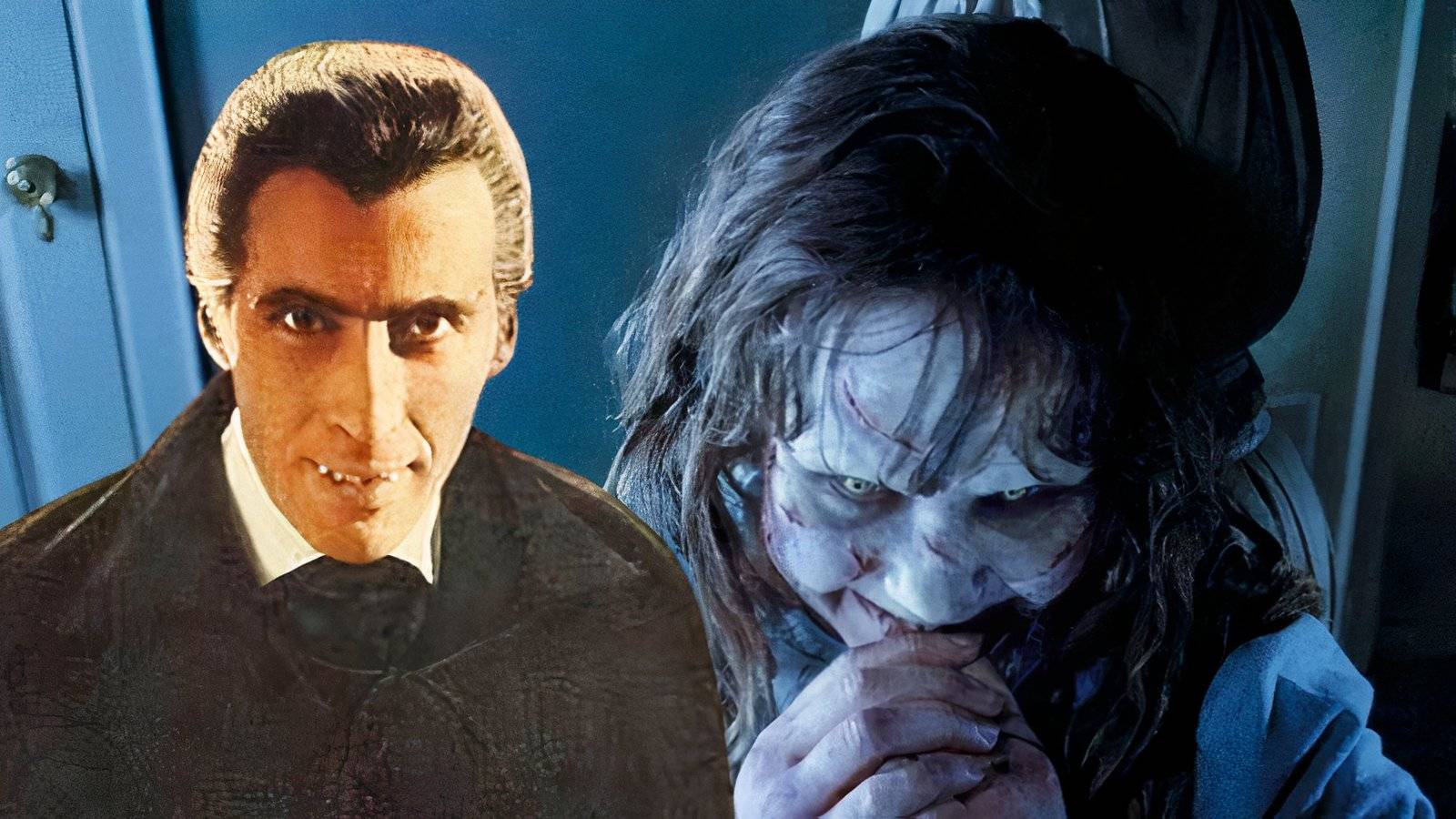
John Carpenter offered his own take on the vampire genre back in 1986 with Vampires, one of the more underrated entries in his filmography, so it’s no surprise that an iconic vampire movie that came out during his childhood sunk its metaphorical teeth into him. Namely, Horror of Dracula, which marked the very first time Christopher Lee played the eponymous bloodsucking Count.
Like Quatermass, Horror of Dracula is another offering from legendary British horror studio Hammer. In fact, Horror was one of the films that cemented Hammer’s signature house style. Shockingly lurid for the time, Horror is famous for its abundance of technicolor blood and for the sophisticated sexuality that Lee brought to the part. In the decades since its release, it has arguably aged better than the preceding Bela Lugosi Dracula movie thanks to the action/adventure quality of the storytelling.
Still, it was a horror movie, and its first ambition was to terrify audiences, not just entertain them. Carpenter was definitely among those 1950s moviegoers who were suitably scared stiff by Horror of Dracula. The filmmaker admitted that the film “really scared [him].” It might even be possible to draw a connective line between Lee’s Dracula and another pale-faced invincible killer who stalks young women in the dead of night — Michael Myers, from Carpenter’s own Halloween.
4
The Fly (1958) Stands Apart From Cronenberg’s Remake

Much as with The Thing, David Cronenberg’s The Fly remake is so seminal these days that many probably don’t even realize it was based on a film from the ’50s. Long before Jeff Goldblum transformed into an insectoid monstrosity in 1986, 1958’s The Fly saw David Hedison (Felix Leiter in the James Bond movies) play a Montreal scientist whose experimental matter transporter combines his DNA with that of a fly.
Modern audiences used to the gross-out body horror of Cronenberg’s iteration may find the original too tame, but it still has much to recommend it. In structure, The Fly is almost more of a crime thriller, as the “science gone wrong” plot is told in flashback through the framing device of a murder investigation. If you need any more proof that the OG Fly is a classic slice of ’50s horror, genre legend Vincent Price appears in a supporting role.
I jumped up. I was so scared! It’s pretty creepy!
“The original The Fly — that was a movie where the popcorn went flying,” Carpenter recalled. For Carpenter, the shock he felt upon watching the film for the first time is unmatched. “When his wife rips the hood off him and there’s a big fly head there […] That just scared the hell outta me. I was 10. I should have known better! I should’ve been more mature and cooler, but I wasn’t. I was a wimp then. I admit it.“
3
Night of the Living Dead Kickstarted the Zombie Genre
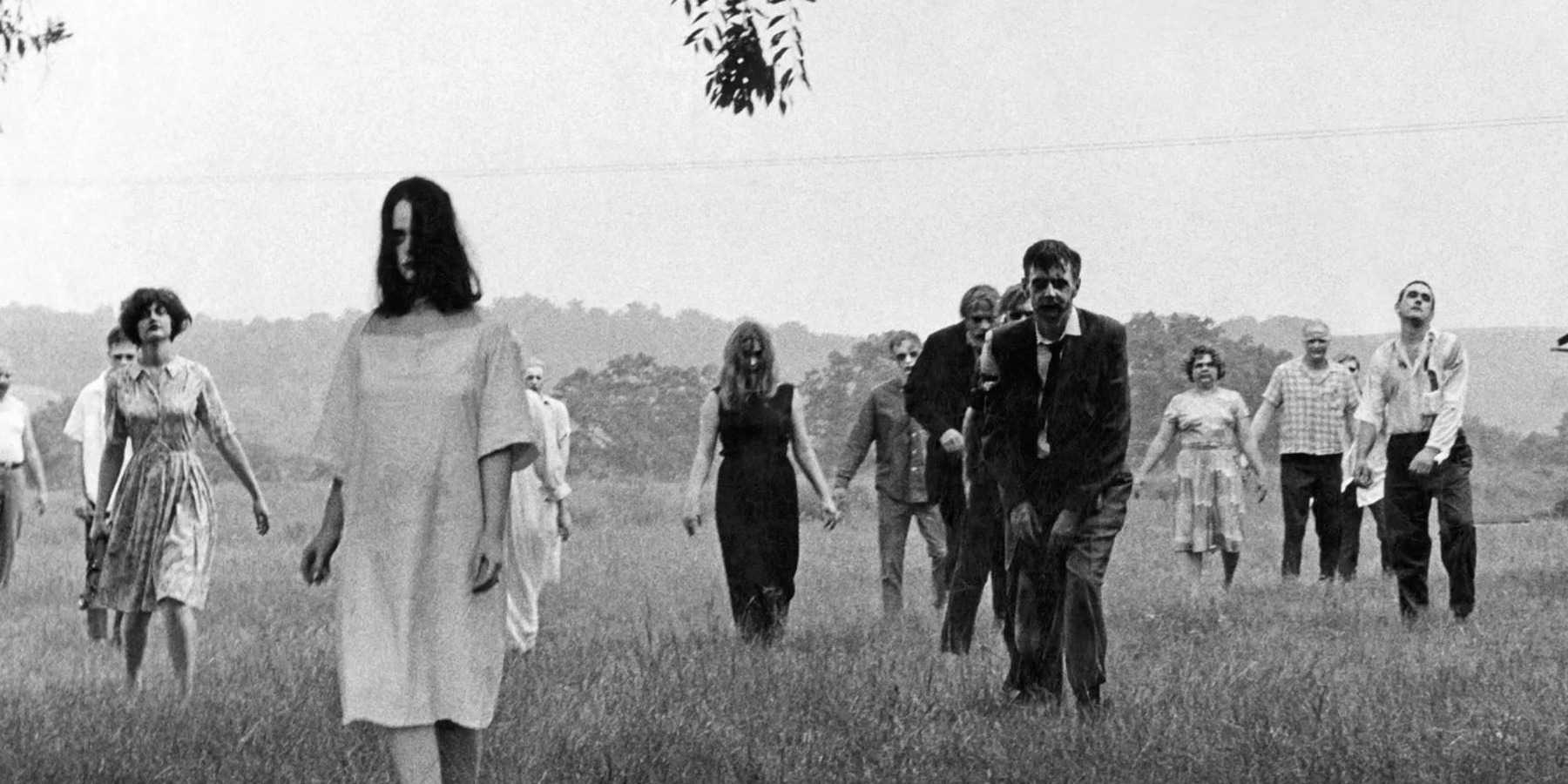
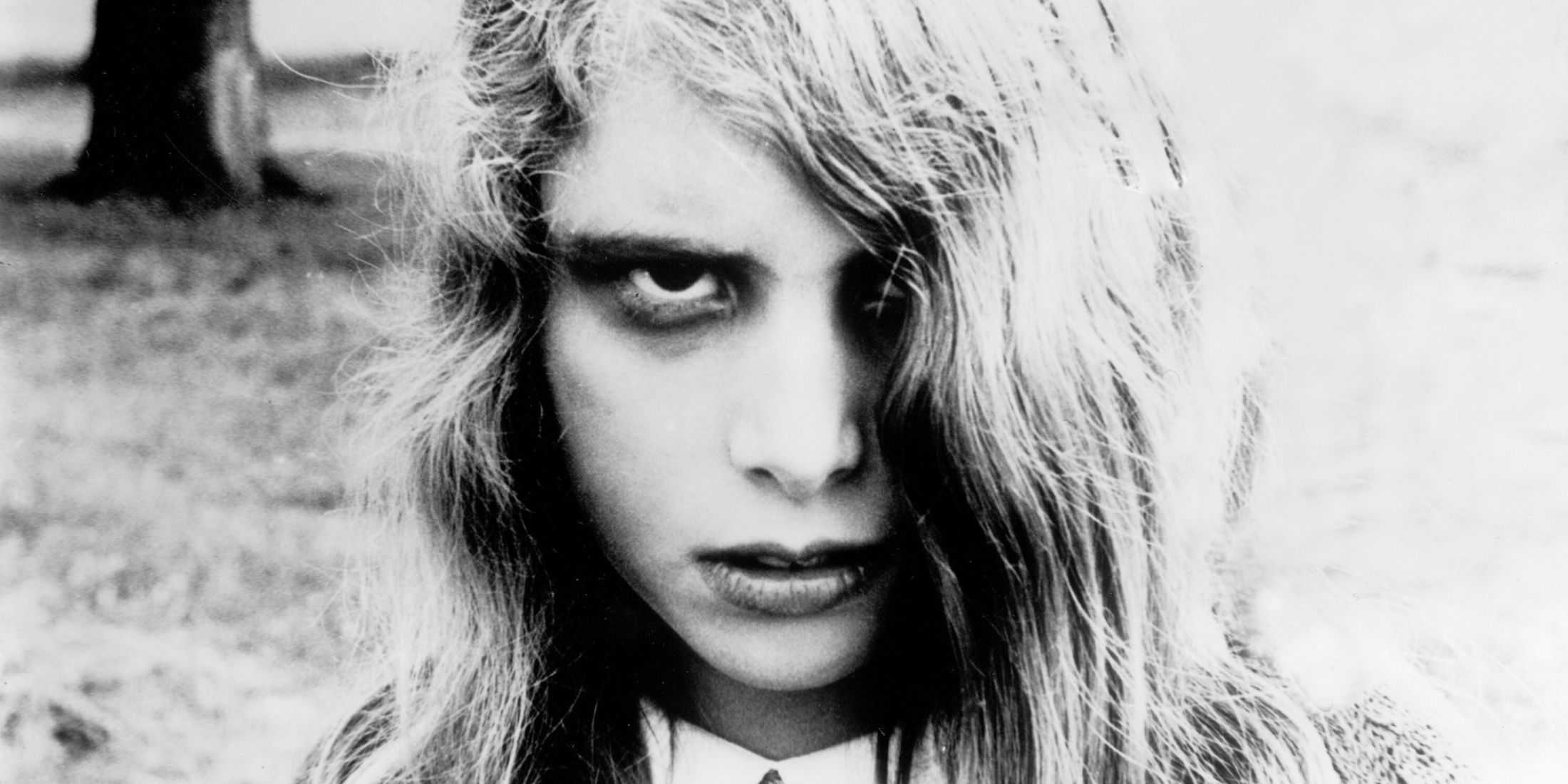
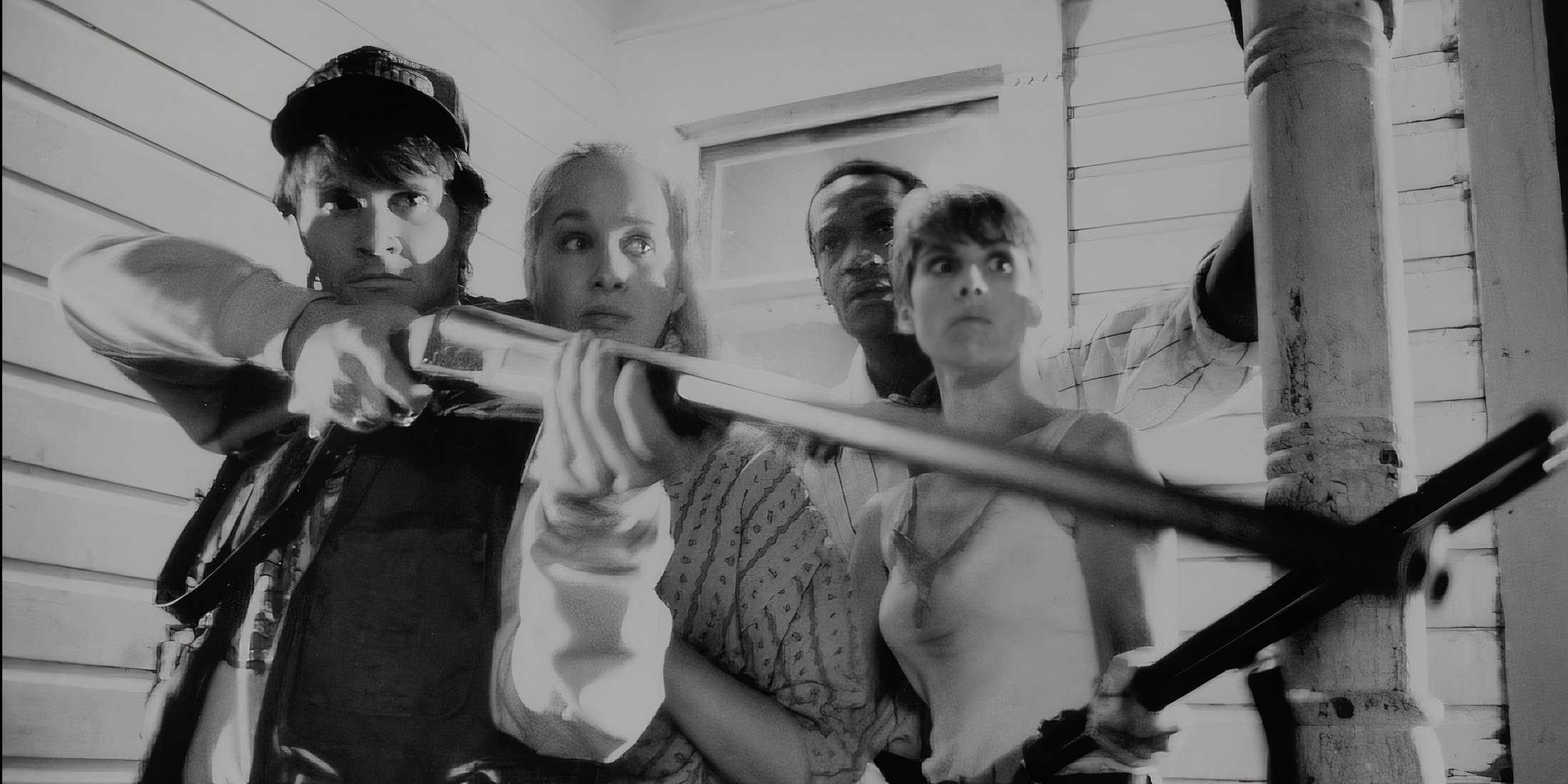
Night of the Living Dead might be almost 60 years old, but its place in horror history is cemented forever because the film basically invented the modern depiction of the zombie. George A. Romero’s masterpiece was essentially the Obsession of its day: Night of the Living Dead was made for a paltry $125,000 and recouped over 250 times its budget at the box office. It remains one of the most profitable movies of all time.
These days, the film’s small budget is its greatest asset, as it possesses a claustrophobic, ominous tone. The infrequent glimpses of the zombies — or “ghouls” as they are called — only make them more effective. The undead weren’t the only groundbreaking element of the movie, either. Night of the Living Dead made waves for casting Black actor Duane Jones as the heroic lead Ben, something practically unheard of in horror films at the time. For Carpenter, he vividly remembers catching Night of the Living Dead at the time of its release:
I went to see it with my girlfriend at the time, who was so freaked out at it. I think it may have affected how I saw the film; maybe I’m a little biased.
Carpenter cites the zombie concept as the key to Night of the Living Dead’s success. “But it’s the idea of this relentless, relentless horde of things coming after you,” he said. “The fact that a loved one can be turned into a zombie. It’s just tremendous. I mean, look at the movies that have ripped it off! Look at Walking Dead. I mean, come on.”
2
The Exorcist Is a Religious Horror That Has Never Been Topped

In the 1970s, Carpenter was starting his own moviemaking career. At the same time, one of his favorite horror films was released: the enduring cultural phenomenon The Exorcist. William Friedkin’s chiller, about a young girl possessed by a demon, has been causing sleepless nights for over 50 years and counting, and numerous attempts to reboot or sequelize the story have failed to recapture the original’s deeply disturbing brilliance.
Interestingly, it seems Carpenter has warmed up to The Exorcist more over time, as he admitted that he used to be put off by its overtly religious themes. “The first time I saw it, I thought, in order to be really effective, this movie requires a belief in a higher power,” Carpenter explained. “But since then I’ve come to appreciate it just for what it is. It’s got some pretty great scenes in it. I watched it again recently and was surprised by how intense it is.”
The Exorcist is famous, or infamous, for not holding back in its depiction of a child whose mind, body, and soul have been corrupted by pure evil, and Carpenter believes that is the key to The Exorcist’s success. “The things that they did back then, with this little girl, they broke a bunch of taboos, my god,” he recalled. If you haven’t seen The Exorcist already, now is the time to fix that. The power of Carpenter compels you.
1
The Texas Chain Saw Massacre (1974) Was One of the First Slashers

John Carpenter is considered one of the fathers of the slasher subgenre, which was massively popularized thanks to the phenomenon that was 1978’s Halloween. It’s only fitting, then, that Carpenter is a huge fan of an early horror example that shares a lot of the same DNA — just not in a The Fly way. Namely, The Texas Chain Saw Massacre, which Carpenter credits as being “one of the scariest movies ever.”
When revisiting the original Texas movie all these years later, it becomes apparent that the explicit violence that would go on to typify the slasher genre is largely absent, something that Carpenter feels is the movie’s masterstroke. “The Texas Chainsaw Massacre is an incredible movie,” he stated.
The whole idea is scary. You really don’t see anything; it’s not explicit. But it’s what’s going on in your head that’s scary.
At the same time, Leatherface may share his hulking frame and love of masks with Michael Myers, but what separates them is that Leatherface, and The Texas Chain Saw Massacre as a whole, possess a warped sense of humor, which Carpenter also applauds. “It’s also extremely funny — it’s almost a comedy,” he stressed. “I really loved the movie. Loved it.” Next time horror fans get the urge to watch Halloween again, maybe they should follow Carpenter’s advice and give one of the films that inspired its creation a try.
Source: The Fader

- Release Date
-
October 11, 1974
- Runtime
-
83 minutes
- Director
-
Tobe Hooper
