Historical accuracy isn’t always at the forefront of developers’ minds when creating a video game. Sometimes it’s just about getting the game out with a story and gameplay compelling enough for a replay and a hefty sale. As a self-proclaimed history nerd, I find myself gravitating towards “historical” titles more often than not, which naturally brings up whether these games are actually accurate.
Often, developers will use historical events or people as a framework to work off of, rather than going for a full retelling of the past. History is fascinating; there’s no doubt about that, but relaying every detail in a video game format can be a drag. It’s all about striking a balance between historical accuracy and impactful gameplay, pulling bits and pieces of accurate information to inform characters and their characterization or the world surrounding said characters.
In an effort to give history buffs something to play, I’ve compiled a list of historian-backed games that are praised by experts for their accuracy. While some might loosely draw from history, some utilize historical events as their Bible, influencing everything from dialogue to weaponry.
Kingdom Come: Deliverance
Welcome to the Kingdom of Bohemia
-
-
 Image via Deep Silver
-
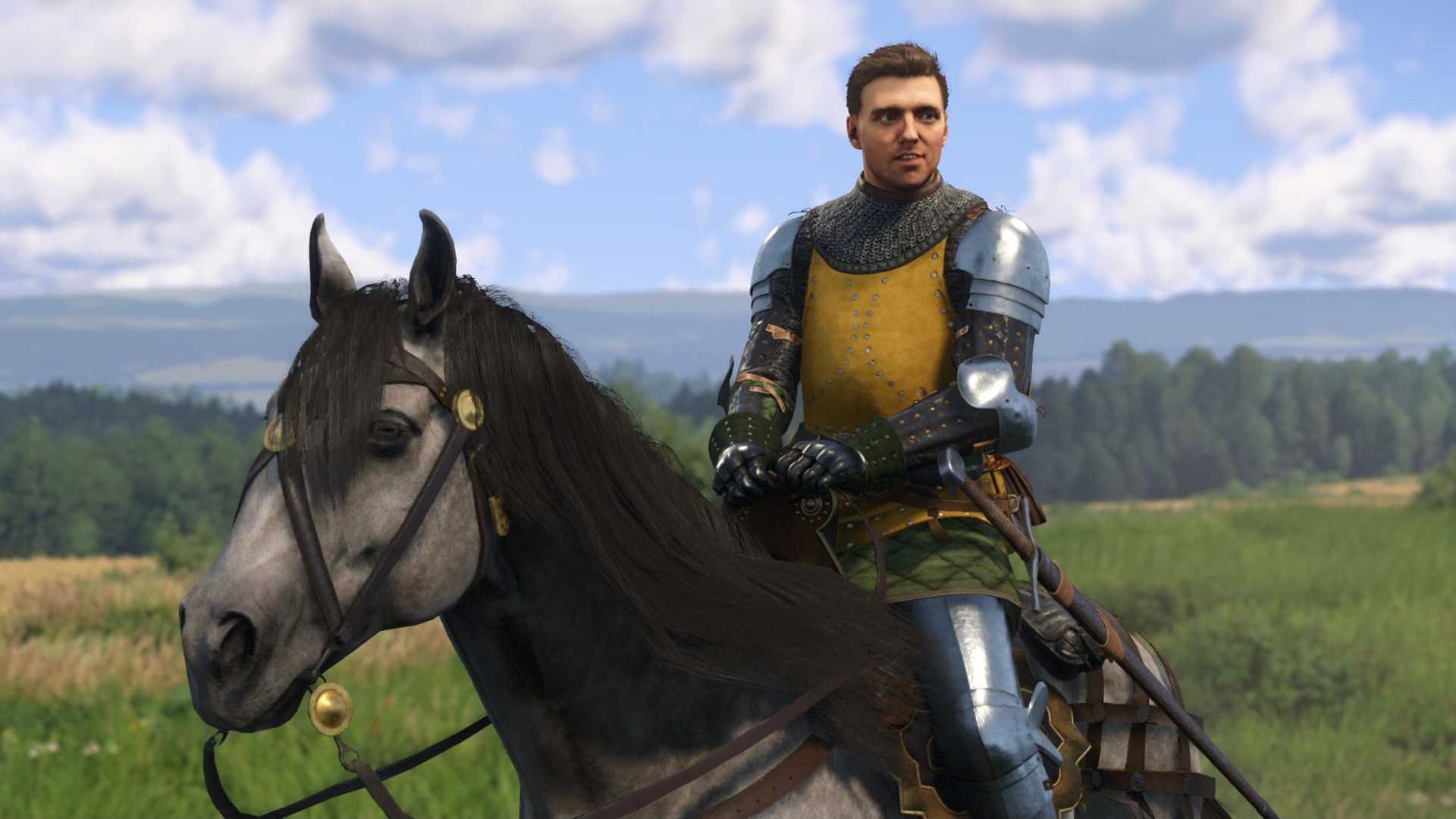 Image via Warhorse Studios
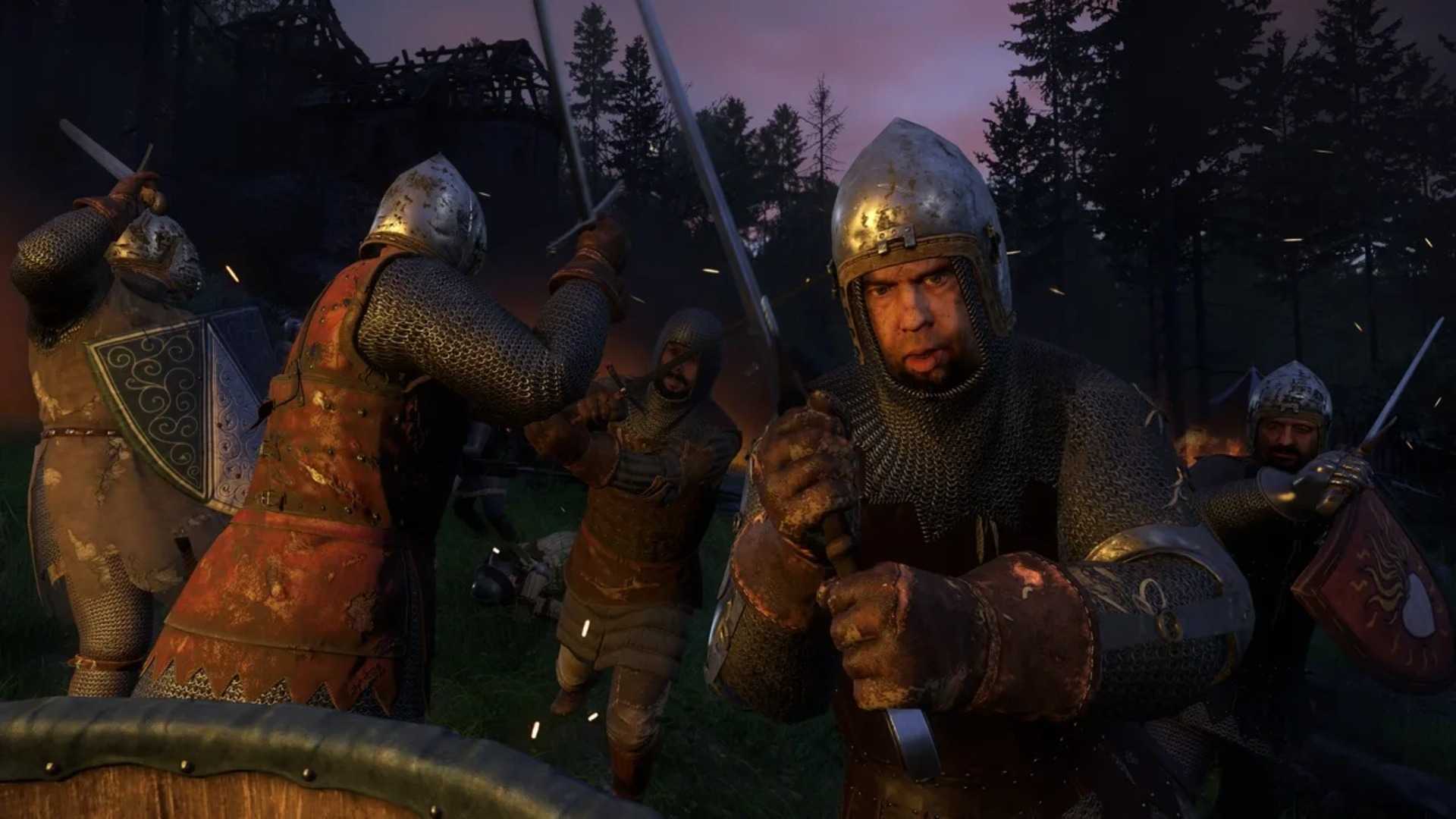
Kingdom Come: Deliverance has long been hallowed for its historical accuracy and attention to detail. For those unaware, the game takes place in the 15th-century Kingdom of Bohemia, which just so happens to be a part of the modern-day Czech Republic. The open-world map is modeled directly off of real-world geography and includes historical sites, and Warhorse Studios made sure every detail was accounted for by enlisting the help of Historian Joanna Nowak.
Structures and settings were meticulously recreated from Sázava and Trosky regions of the Czech Republic. Developers mapped out whole towns or ruins with help from archaeological consultants to make players really feel like they had traveled back in time. The in-house historian fact-checked everything from vegetation grown in that area during the time period to historic weapons utilized in-game, like axes or long-reaching weapons like polearms. While reacting to the gameplay in a video via Penguin Random House, Medieval Historian Dan Jones remarked,
“It does look very nice, I must say. I mean, this is very evocative of what I imagine a medieval world would have looked like… I think you could learn a lot about history from this game and have good fun smashing people up with an axe as well. So, double thumbs up from me.”
The game went so far as to omit the use of weapons that relied on gunpowder to keep plate armor relevant, another historical accuracy. Nowak’s part of the game’s development helped contextualize the story, placing characters like Henry of Skalitz in real-world scenarios like the 1403 Bohemia conflict between King Wenceslas IV and his half-brother Sigismund, King of Hungary.
This gave context to Henry’s vengeance plot, highlighting his motivations and making his journey more compelling. From the political crisis that surrounded the game to the combat techniques utilized, Kingdom Come: Deliverance seemingly went above and beyond in hopes of portraying an accurate depiction of an interesting point in time.
Battlefield 1
Weapons are Key to This Game’s Accuracy
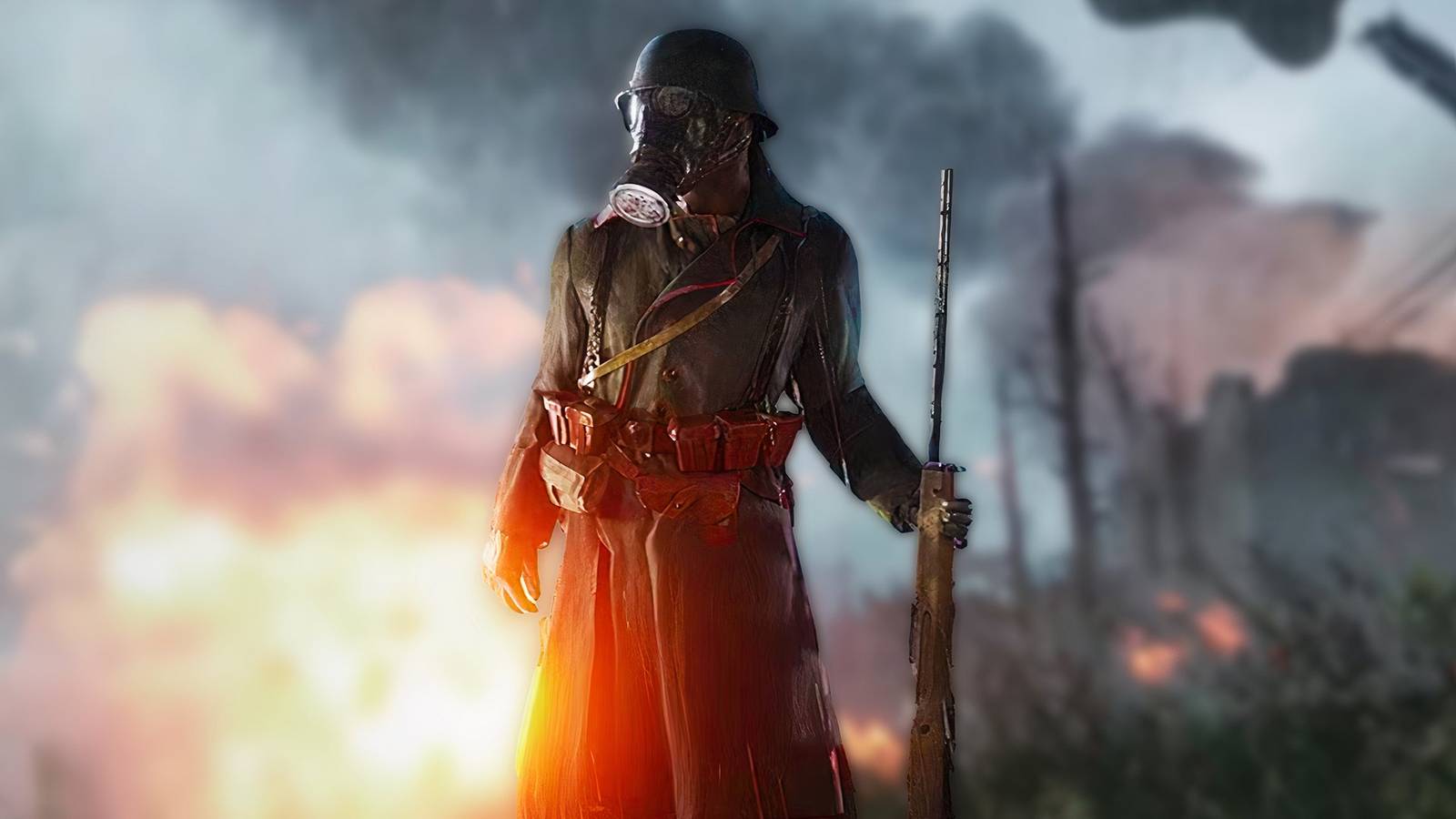
Battlefield 1 is all about World War I, but turns the conflict into something fast-paced and worthy of gameplay. The obligation was always to stay true to the Battlefield franchise, but historical accuracy was implemented to keep history buffs happy too. According to archivist Jonathan Casey, weapons found in the game are fairly accurate, save for a few reload animations that serve to be flashy rather than accurate.
In an interview with PC Gamer, the archivist also mentions that the quality of said weapons found during this time was quite poor, so if Battlefield 1 was going for extra accuracy points, they’d have their players’ guns jam more often. Despite this, weapons like the Lewis gun, the Mark V tank, and the MP18 were all real weaponry developed or deployed during the war. In an interview with GamesBeat, the former Senior Producer at DICE, Aleksander Grøndal, spoke about balancing authenticity with impactful gameplay, saying,
“It’s not a documentary by any standard. It’s more about exploring what we find interesting, the opportunities we find to tell stories. We take some creative liberties. In multiplayer, obviously, we allow tanks to exist in battles where tanks never appeared, because it fits better with the Battlefield formula. But everything in the game is era-authentic. We just take some creative liberties with exactly where we put things.”
Red Dead Redemption 2
A Surprisingly Accurate Look at the Last Days of the American Wild West
-
 via Rockstar Games
-
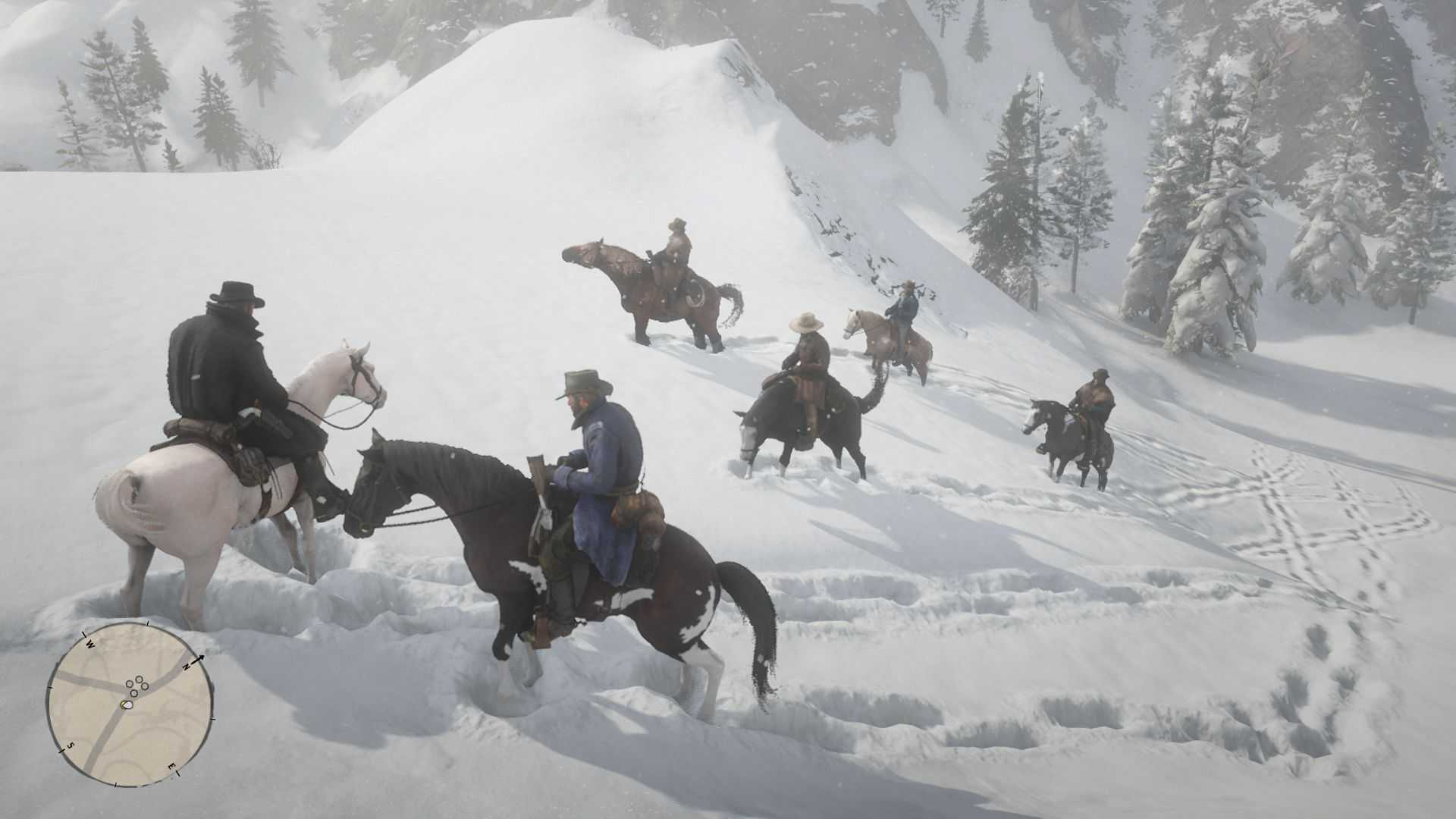 Image via Rockstar Games
-
 Image via Rockstar Games
Red Dead Redemption 2 is one of the best-selling historical video games ever made, and it is easy to see why. Rockstar Games developed a title all about gunslinging, loudmouth, chain-smoking cowboys set during the final days of the American Wild West. The plot of this game is ever-exciting, and the cast of characters players meet along their journey are just as entertaining as they are heartbreaking, a multifaceted crew of mischief-makers.
The game’s accuracy could have easily been thrown out the window in favor of something dramatic and epic, but Rockstar opted to create something that paid homage to the late-19th-century world in a meaningful way, documenting the life of a cowboy and his crew. The company had its own internal research team that relied on historical documentation and a few cinematic influences to help shape the game into what it became. Upon its 2018 release, the game drew in history buffs and gamers alike, all eager to learn more about what life was like for the Van der Linde gang.
In an effort to explore authenticity and add more context to the history surrounding the game, University of Tennessee history professor and historian Tore C. Olsson wrote Red Dead’s History: A Video Game, an Obsession, and America’s Violent Past. The book is meant to teach folks about America’s history in the late 19th century, utilizing the happenings in the Rockstar title for context. In it, Olsson writes about how architecture, clothing, the portrayal of the Pinkertons, and the end of the American frontier were all accurately depicted thanks to Rockstar’s painstaking attention to detail. The professor even teaches a course on the game and how it relates to 19th-century American history in an effort to make history more accessible.

Balance the critic averages
Assassin’s Creed Unity
This Game’s Architecture is Shockingly Beautiful

The most historically accurate portions of Assassin’s Creed Unity tend to be the architecture, which, like Kingdom Come: Deliverance, was mapped out and developed based on real-world places. While events were heavily fictionalized and an oversimplification of the French Revolution, Ubisoft opted to emphasize the accuracy of landmarks, spending years on architecture alone to create one-to-one replicas of buildings, like the ever-iconic Notre Dame, and densely packed areas of Paris. Ubisoft also hired historian Maxime Durand, who worked to dictate everything from crowd behavior to authentic dialogue for the time period.
It seems historians agree that the architectural aspect of the game is largely accurate and impressive. Linguists were also hired to perfect spoken dialogue, making sure it reflected the speech and cadence of the time. Environmental details like artwork or textures utilized in the game were also praised for their historical accuracy. Assassin’s Creed in general is a very unique entry in that the games are largely based on historical events, set in different places during different time periods.
If the history isn’t correct, it directly hinders the reception, regardless of how good the gameplay is. In an interview with Wired, Durand spoke about his time working on Assassin’s Creed Unity, opting to weave fictional elements with historical elements, saying,
“What we do is find these grey zones where we can have gameplay and try to look at all the figures, locations and events to see how relevant they can be. So, for instance, we have the French Revolution [in Unity] and we see how that can fit into the Assassin’s Creed story.”
The Oregon Trail
Live Like a Pioneer for a Spell
Who knew that a text-based strategy game could teach someone so much about what life was like while traversing the infamous Oregon Trail? The Oregon Trail, a title created back in 1971, was created by three Carleton College student teachers in Minnesota. Their goal? To teach eighth-grade history students about 19th-century pioneer life.
That’s right, this game was utilized as an actual teaching tool, produced and distributed widely by the Minnesota Educational Computing Consortium (MECC) starting in 1975. The educational game was a smash hit, eventually selling over 65 million copies. While it is a seemingly simplified version of the history of the pioneers condensed into a gaming format, it was and is still really impactful in teaching folks about the hardships pioneers went through to start a new life.
Through the game, players learned that anything and everything could derail a pioneer’s travels, from unforeseen weather conditions to a broken wheel. Diseases like dysentery or cholera were the biggest culprits of all, snatching life quickly from unsuspecting folks with little resources to help mitigate suffering. Actual geographical checkpoints were even put into the game, like Fort Kearny and Fort Laramie, to give players a sense of how far some of these pioneers might have traveled to salvation.
Earlier versions of the game were seemingly less accurate due to time constraints; however, changes were made to amend this. In an interview with SFGATE, Developer Don Rawitsch stated that he utilized reprinted versions of actual diaries of settlers who traveled the Oregon Trail in order to adjust the frequency of everything from weather to misfortune befalling a family traveling along in a covered wagon. The article read,
“‘It didn’t just rain randomly in the game,’ he stated matter-of-factly. ‘It rained x percent of the time for x percent of a player’s turns.’ He used these probabilities to determine the ’20 or so things’ that could happen to a player during the game.”
Ghost Recon Wildlands
Bust Cartels With Accurate Gear & Weapons
-
 Image via GameRant; Source: Ubisoft
-
 Image via GameRant; Source: Ubisoft
-
 Image via GameRant; Source: Ubisoft
- Not directly based on historical events, but inspired by it, along with geopolitics.
Tom Clancy isn’t shy about playing around with historical events in his work, altering them or using them as a backdrop to create something otherworldly and exciting. Despite this, the author and creators’ work on Ghost Recon Wildlands is surprisingly pretty accurate. Of course, there are heavy fantasy elements written into this third-person shooter, but real-world scenarios, focusing on real-world geopolitics, drug cartels, and the geography of Bolivia. While operating a special task force known as Ghost, players are tasked with dismantling a fictional drug cartel, Santa Blanca, from the inside out.
Accuracy from this game comes into play with weapons and gear usage, rather than the setting or characters. Ubisoft worked with former CIA case officers, drug enforcement agents, and military special forces to refine combat and weaponry used in-game. Firearm experts have said the game has an extensive realistic lineup of firearms that accurately capture how these guns look and function to an extent. Stats on these weapons, however, were seemingly questionable. Suppressor functionality was seemingly emphasized in the game, an important realistic detail that would be utilized on a gun for real-world stealth missions.
It should be noted that Ubisoft Paris conducted field research in Bolivia to make locations as accurate as they could. The company consulted special operations personnel and recreated real-world locations such as the Salar de Uyuni, the “Death Road,” and the train “Bone Yard” as accurately as they could. In an interview with Vice, Ghost Recon Wildlands‘ Narrative Director Sam Strachman revealed that his team worked alongside New York Times bestselling authors Don Winslow and Shane Salerno to create the cartel-themed narrative, basing events on real-world cartel happenings. The two writers and creatives are experts on the US’ war on drugs.
Total War Series
Command Armies & Take Down Ancient Cities in Real-Time
-


-
 Image: GameRant via Creative Assembly
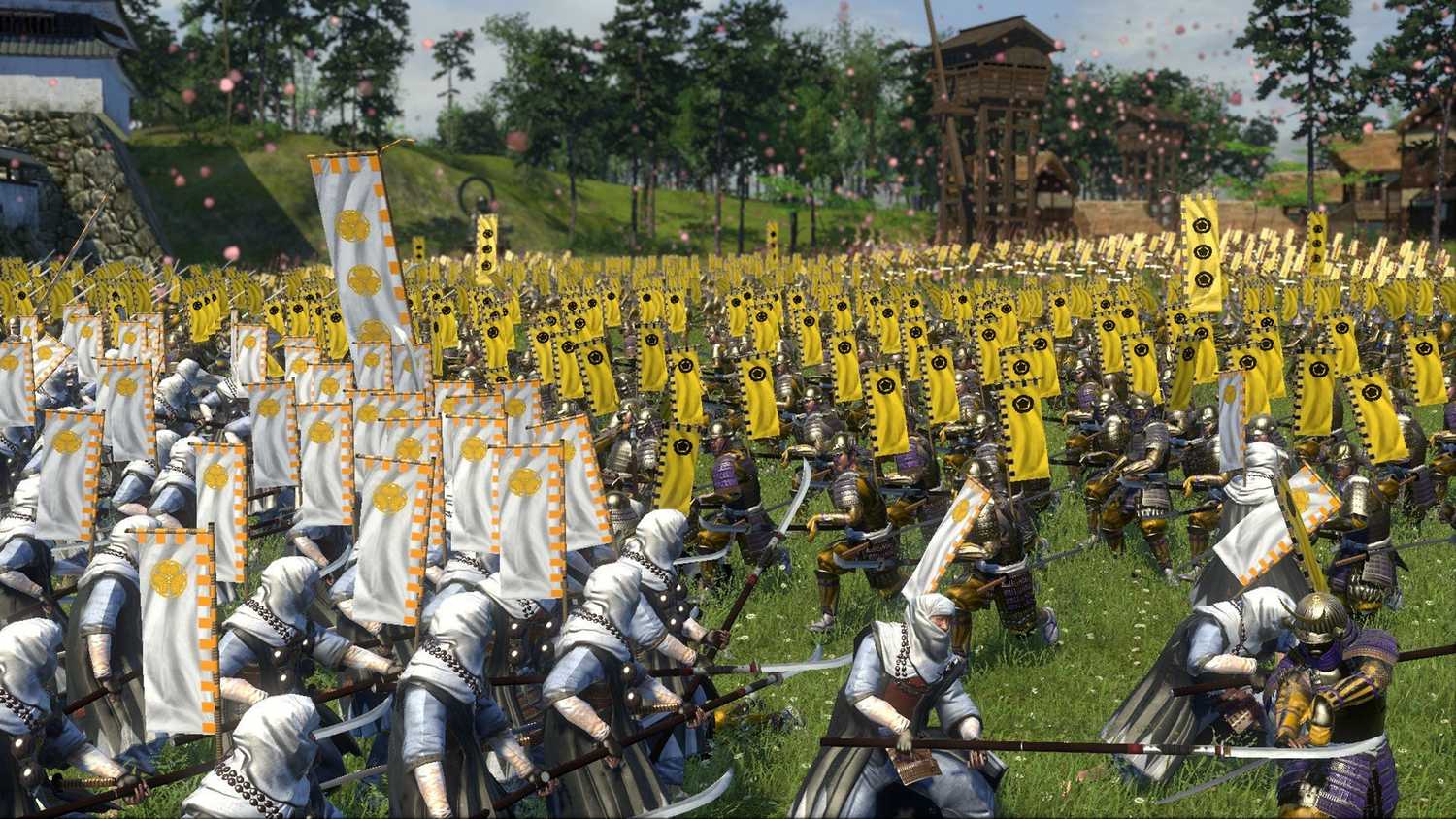
The Total War series, created by The Creative Assembly, is another game that utilizes real-world events to shape gameplay. The goal of these games is to transport players to the past, allowing them to play around in a historically accurate world for a while. The strategy game puts players in the driver’s seat, allowing them to command armies and conquer long-lost societies. While the game is not totally accurate, since reenacting history bar for bar might not be the most entertaining, these games still make a valiant effort to keep the history of battle in mind, thanks to the University of Oxford’s Professor Peter Wilson.
Wilson works as an advisor on the game series and utilizes his expertise in the History of War to create accurate scenarios, terrain, and even weather conditions that could potentially affect the success of battle. Wilson spoke about his time as an advisor for the series with the BBC, explaining that a big part of his job is engaging with the public outside the university about the impact war has had in the past. What better way to do that than by creating a game that is both educational and fun?
The Creative Assembly’s goal seems to be balancing historical accuracy with engaging gameplay, trying to never overshadow one another. Rome: Total War, Total War: Shogun 2, and Empire: Total War touch on that balance pretty perfectly, giving players an authentic experience while keeping them invested. It’s a hard balance to strike, but one history-based titles must strike if they want to maintain credibility and replayability.
