To be honest, I’ve played plenty of RPGs where I genuinely enjoyed the story and exploration but just couldn’t wait for the fights to be over. Sadly, a lot of people can probably relate because there are plenty of games with boring and repetitive combat. This is especially painful when we’re talking about games where combat takes up a huge portion of the experience.
However, the truth is that not every RPG needs a ridiculously complicated combat system to be entertaining, and sometimes adding a few interesting abilities can make battles fun from beginning to end. Some RPGs get almost everything about combat right, though, and what’s interesting is that they don’t even have that much in common with each other.
6
Nioh 2
Combat That Rewards Mechanical Mastery
-
 Image via Koei Tecmo
-
 Image by GameRant; Source: Koei Tecmo, Sony
-
 Image via Koei Tecmo
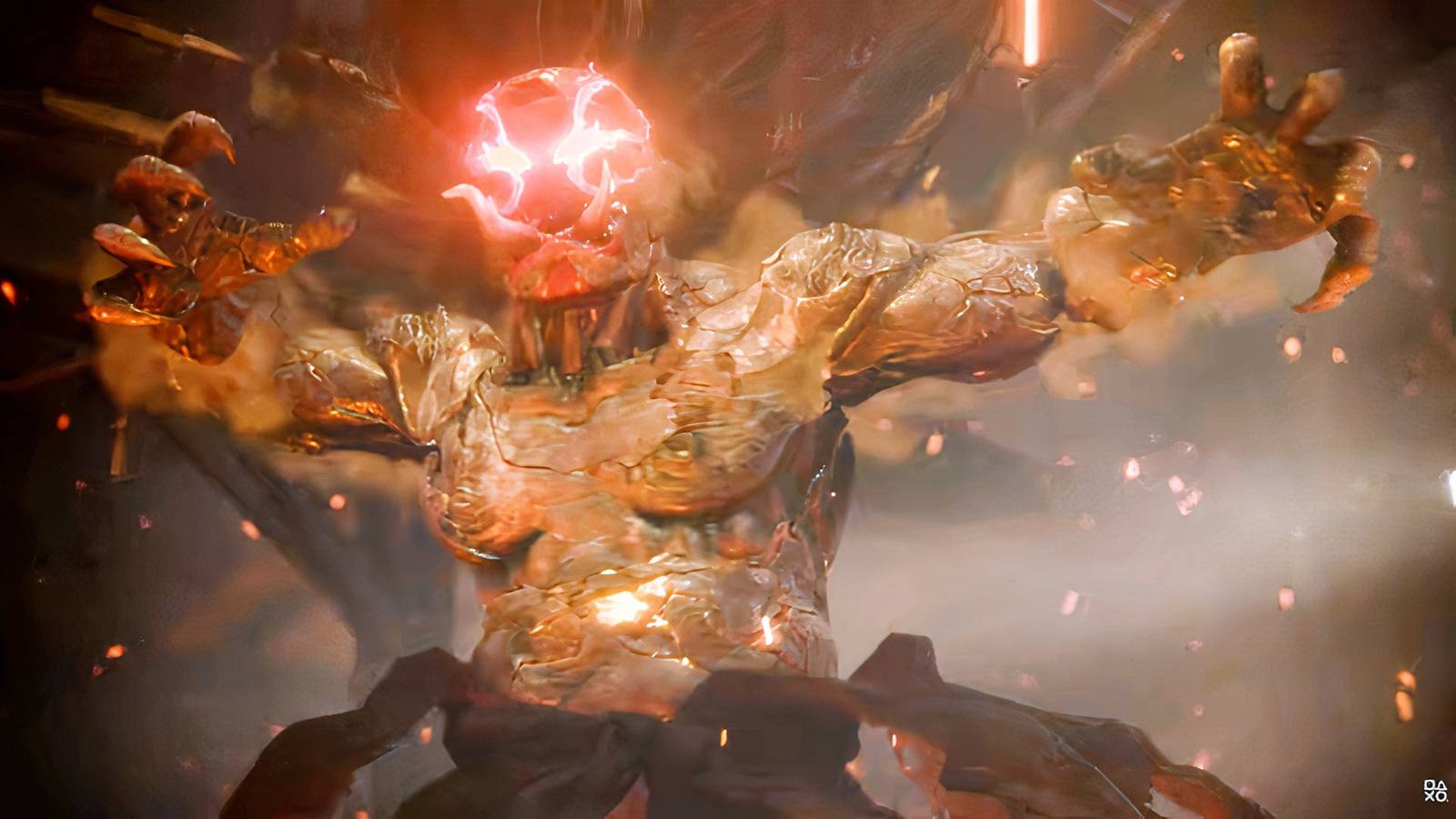
Nioh 2 is an action RPG set in a supernatural version of feudal Japan. If you like fighting human warriors and dangerous creatures at the same time, this is absolutely the game for you. What really helps its case is that the combat is extremely impressive. For example, every melee weapon supports three different stances; High Stance focuses on powerful attacks, Mid Stance offers a good balance between offense and defense, and Low Stance is about mobility and faster attacks.

Find all 10 pairs
Moreover, players can switch between these stances at will during combat, which gives you insane freedom to adjust your approach depending on the type of enemy you’re fighting. It’s also important to mention the Ki Pulse mechanic, which allows you to recover some spent stamina by pressing a button at the right moment. It’s rare to see stamina management as a core part of combat instead of something that requires you to wait between delivering attacks.
Moreover, the so-called Burst Counters allow players to interrupt some enemy attacks, with three Guardian Spirit types offering different counter behaviors. The weapons themselves also have their own fighting styles and skill trees. Just by reading this text, you probably don’t need any more convincing that this game has a ton of mechanical depth that very few RPGs can match.
5
Elden Ring
Unmatched Freedom In Combat Builds
-
 Image via: FromSoftware
-
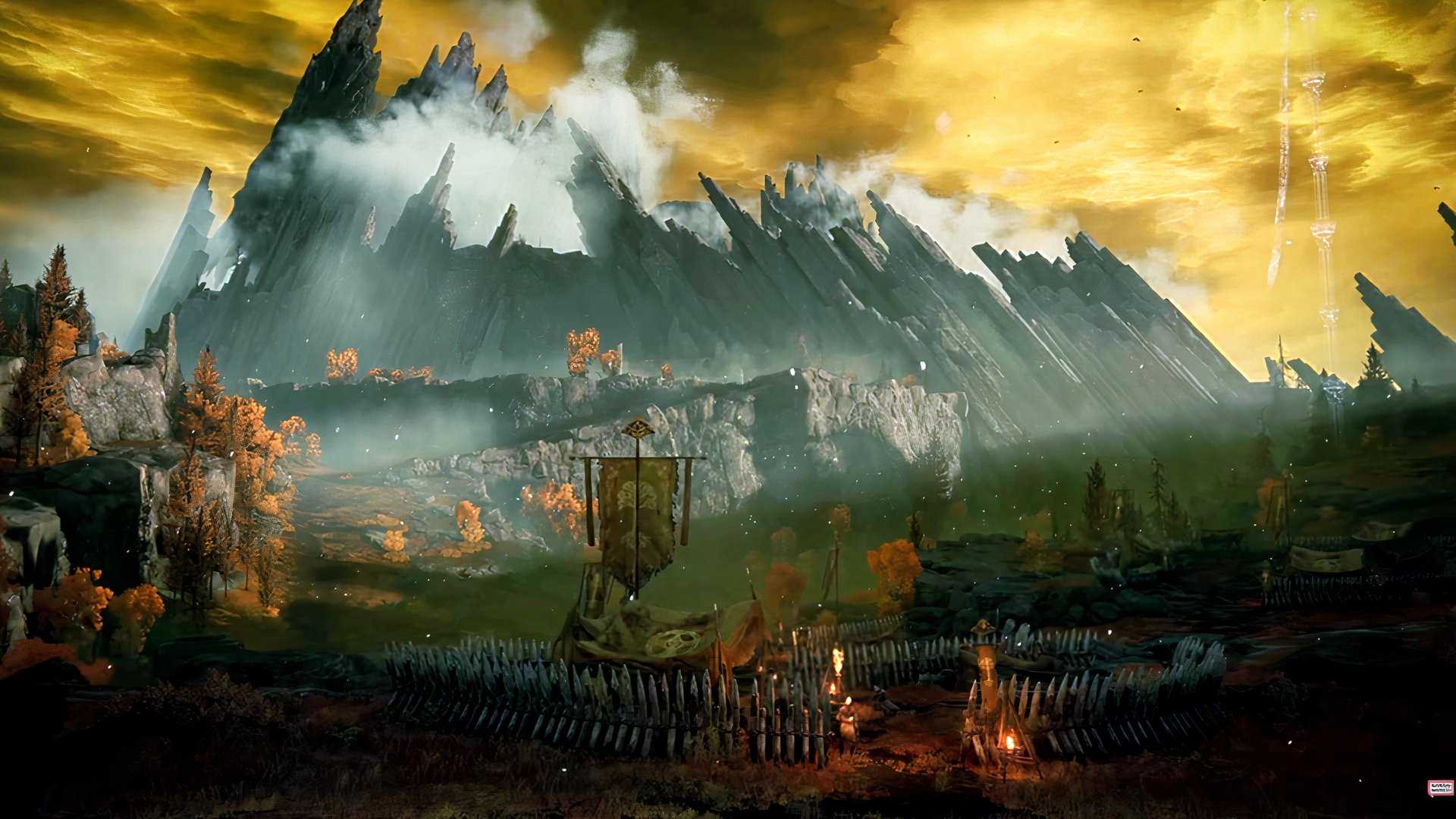 Image via: FromSoftware
-
 Image via FromSoftware
Elden Ring will always be one of my favorite games of all time. It follows a Tarnished warrior exploring the Lands Between, which are full of powerful enemies and insanely challenging bosses. The combat revolves around carefully timing your attacks, dodges, and blocks, but what makes it so impressive is that there is so much freedom to experiment. It’s ridiculous.
For example, you have Ashes of War, which allow players to equip compatible weapons with different combat skills and even modify their damage scaling, which basically means that every weapon has the potential to become suitable for an entirely different build than you initially thought. Moreover, players get to choose between Strength-focused characters, Dexterity builds for faster attacks, and sorcerers that are useful for fighting from a distance, among many others.
Of course, having great equipment is not the only requirement for a game to qualify for this list. In ordinary encounters, many bosses use delayed attacks, combos, and even reactions to healing attempts, so players are generally forced to pay attention to individual attack patterns. Moreover, Elden Ring has another important mechanic called stance-breaking, which allows players to stagger enemies through repeated heavy attacks.
Once you break the opponent’s stance, you can land a critical attack for massive damage. Those who take smart offensive risks are heavily rewarded. Many people believe that Elden Ring is great only when it comes to exploration, but the way the game handles combat is also exceptional. In this case, choosing a different build doesn’t only change how much damage you deal, but it can absolutely transform the way you fight the same boss while simultaneously requiring you to master its attacks and recognize opportunities to strike. In other words, it’s the combination of these features that makes the combat so special.
4
Divinity: Original Sin 2
Tactical Freedom That Few RPGs Can Match
-
 Image via Larian
-
 Image via: Larian Studios
-
 Image via: Larian Studios
Divinity: Original Sin 2 is a pretty familiar fantasy RPG, but what makes its combat so impressive is the way players can interact with their surroundings. To be more specific, you can cover enemies in oil before setting them on fire, and if that’s not interesting enough for you, you can also electrify water or freeze surfaces to make movement dangerous. Positioning is also quite important because ranged characters benefit from attacking from higher ground, while teleporting can move enemies into very unfortunate positions.
Moreover, the game has an amazing physical and magical armor system. Most of these disabling effects require players to deplete the corresponding armor type before they can freeze or stun their opponent, which makes crowd control way more predictable than usual. Additionally, it’s important to mention that the game boasts more than 200 skills across 12 schools, so combining abilities from different disciplines is highly encouraged. I personally enjoy teaching a melee fighter how to teleport or showing them how to use magical support abilities.
Overall, Divinity: Original Sin 2 makes the environment central to combat and allows players insane flexibility to create tactical advantages. This, combined with the possibility to create so many unconventional builds, is just chef’s kiss.
3
Dragon’s Dogma: Dark Arisen
Monster Battles That Feel Physically Interactive
-
 Image via: Capcom
-
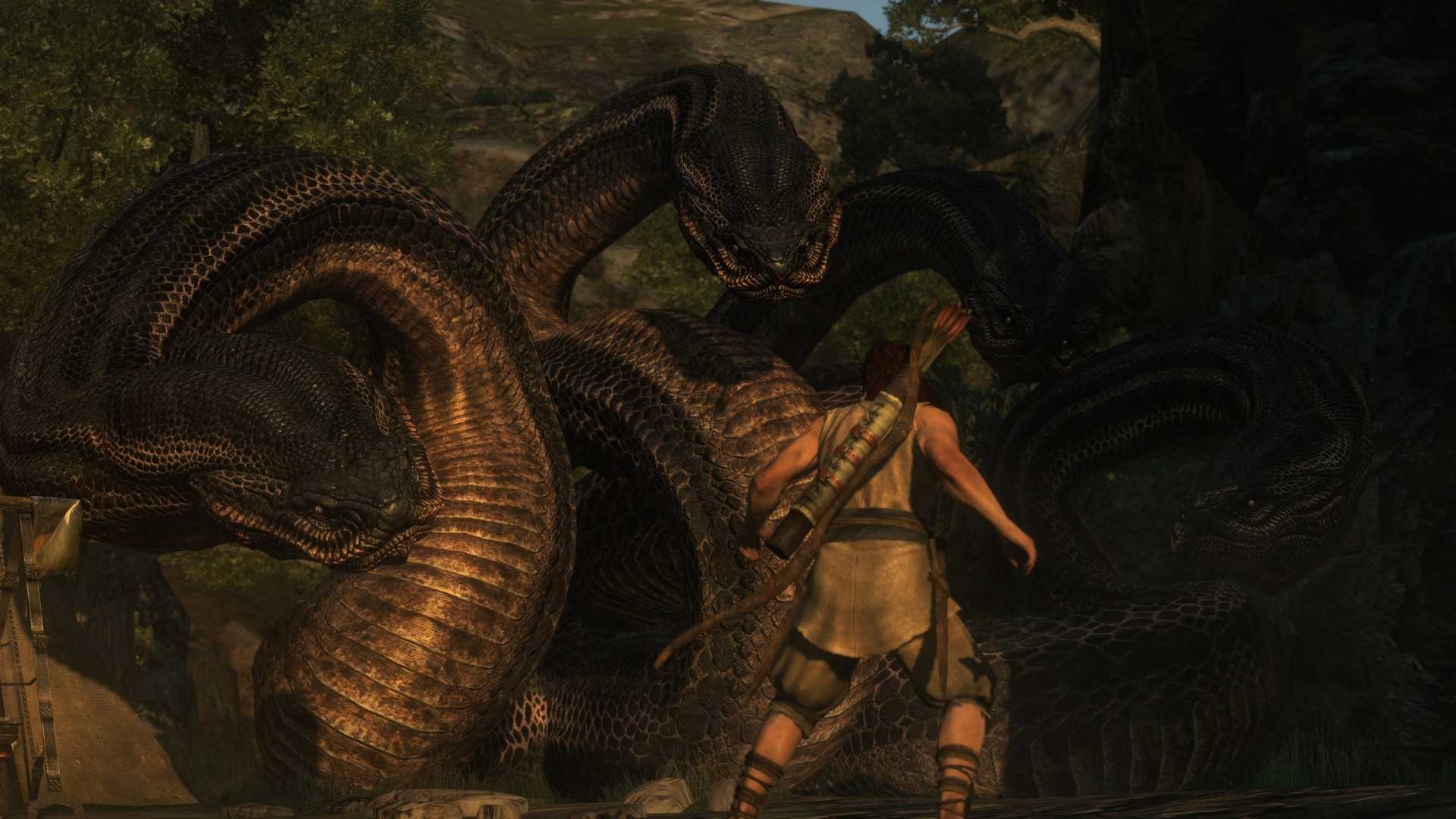 Image via: Capcom
-
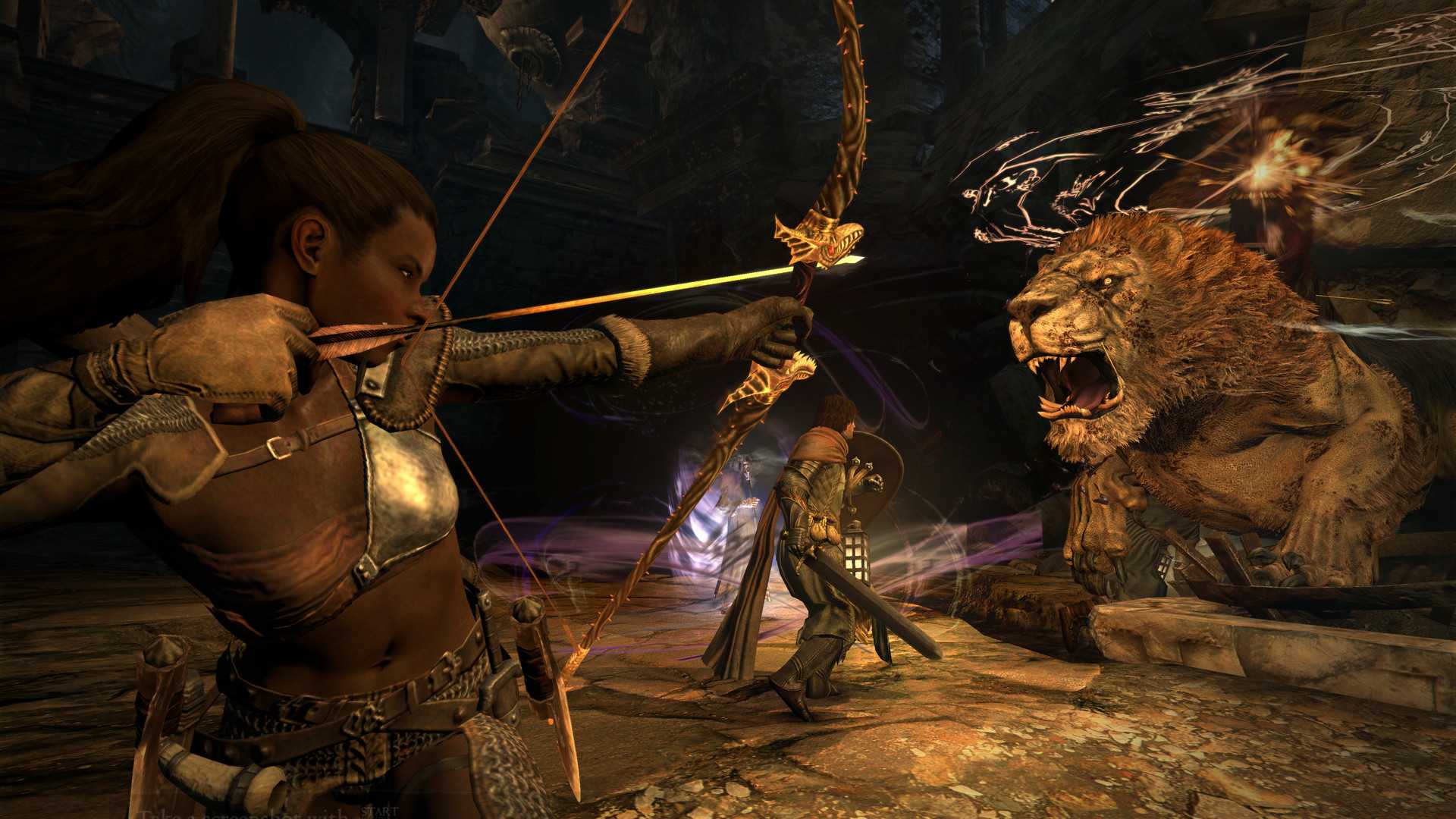 Image via: Capcom
Very few RPGs can make fighting a monster as interactive as Dragon’s Dogma: Dark Arisen. It allows players to physically interact with their enemies instead of just standing there and attacking until their health runs out. For example, you’re free to climb onto Cyclopes to reach vulnerable body parts. Moreover, every creature has its own weakness that players can exploit as soon as they find it.
For example, Saurians are weak in their tails, while the Hydras’ heads can be cut off. If this isn’t enough, keep in mind the game has nine vocations, and each one of them has its own fighting style. You may prefer to use daggers and bows, while others might like to have more powerful spells; you name it, the game has it. Moreover, changing vocations can absolutely transform the way you approach combat.
Last but not least, you will be accompanied by AI-controlled companions called Pawns, and they can heal, help you by using spells, and even distract enemies and provide information about enemy weaknesses. Keep in mind that they aren’t just some stupid creatures running around. They can also learn about enemies through experience and use that knowledge in future battles, which gives you a tactical advantage. The game’s Pawn system is often regarded as one of the best combat features implemented in an RPG, and it definitely sets Dragon’s Dogma: Dark Arisen apart from its competitors when it comes to combat.
2
Mass Effect 2
A Shooter That Makes RPG Abilities Matter
-
 Image via: Electronic Arts
-
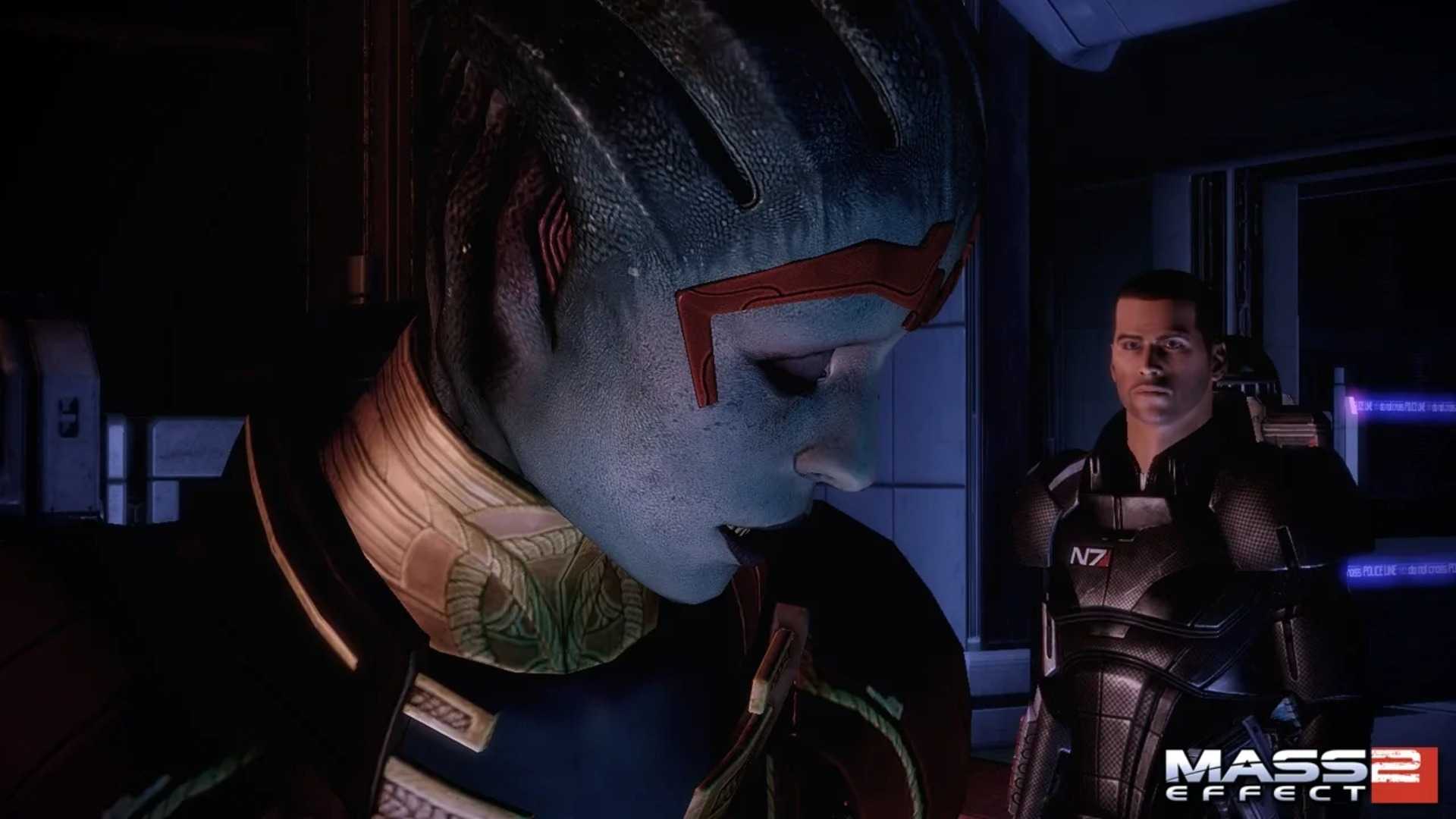 Image via: Electronic Arts
-
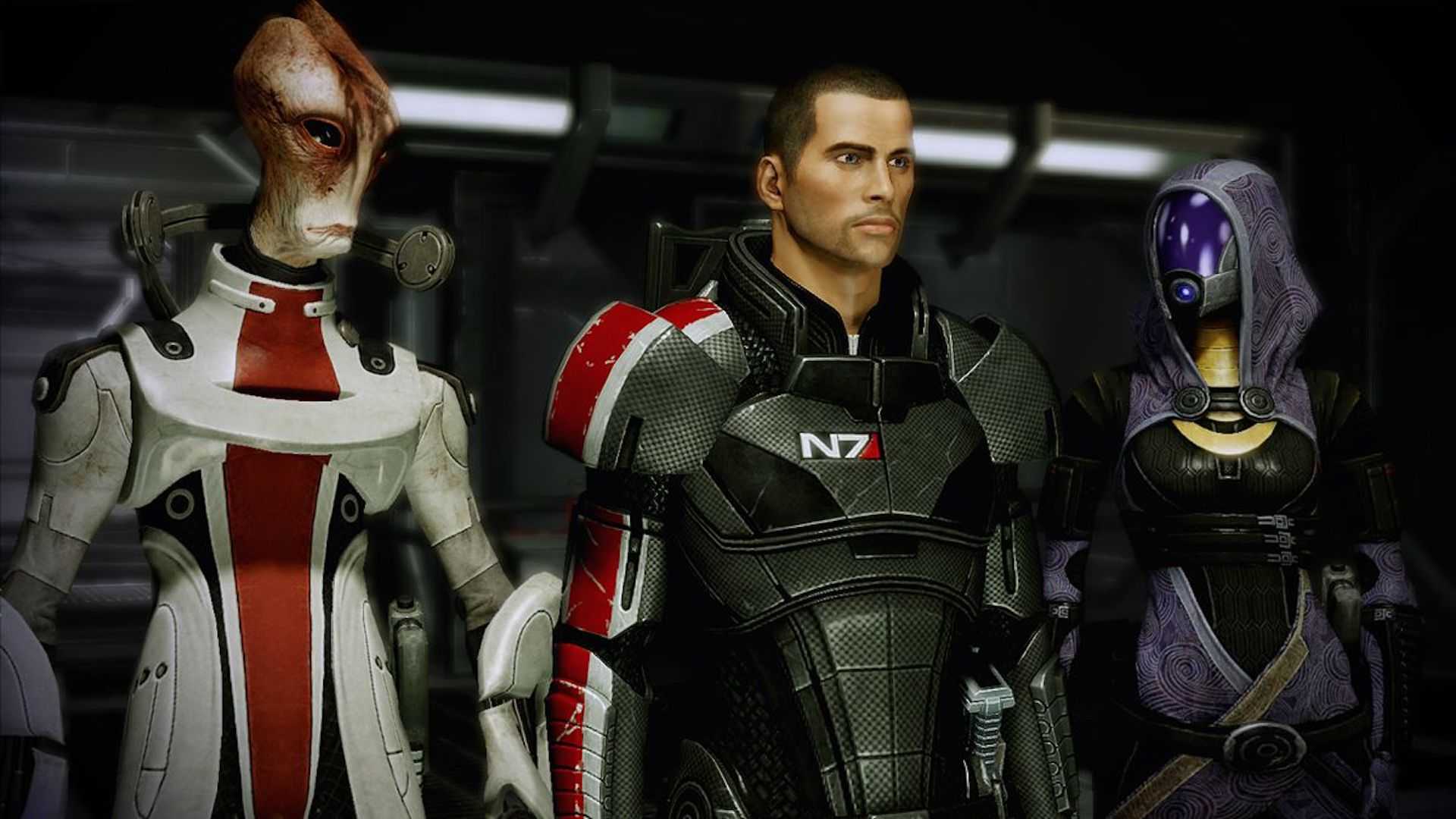 Image via: Electronic Arts
Mass Effect 2 follows Commander Shepard and their journey to confront a serious threat to humanity. The game’s combat combines third-person shooting with RPG abilities, and one of its most interesting features is the fact that enemies have all kinds of defenses. This includes different shields, armor, and biotic barriers, which respond differently to weapons and abilities, so it’s really important to make the right call when you are choosing the best way to attack.
For example, I can say that Overload is very effective against shields, but Incinerate is what will help you destroy armor better than anything else. Moreover, players need to coordinate squad abilities properly because it doesn’t really make sense for one player to lift an unprotected enemy and another to use an attack that sends shockwaves along the ground, for example.
Additionally, Mass Effect 2 features six character classes with unique abilities that can be unlocked. However, what makes this so impressive compared to other RPGs is that the game doesn’t force players to choose between fast-paced action and tactical decision-making. You’re basically free to pause combat if you need to issue orders to your companions or use mapped abilities without constantly interrupting the action.
1
Dragon Quest 11: Echoes Of An Elusive Age
Classic Turn-Based Combat With Excellent Party Management
-
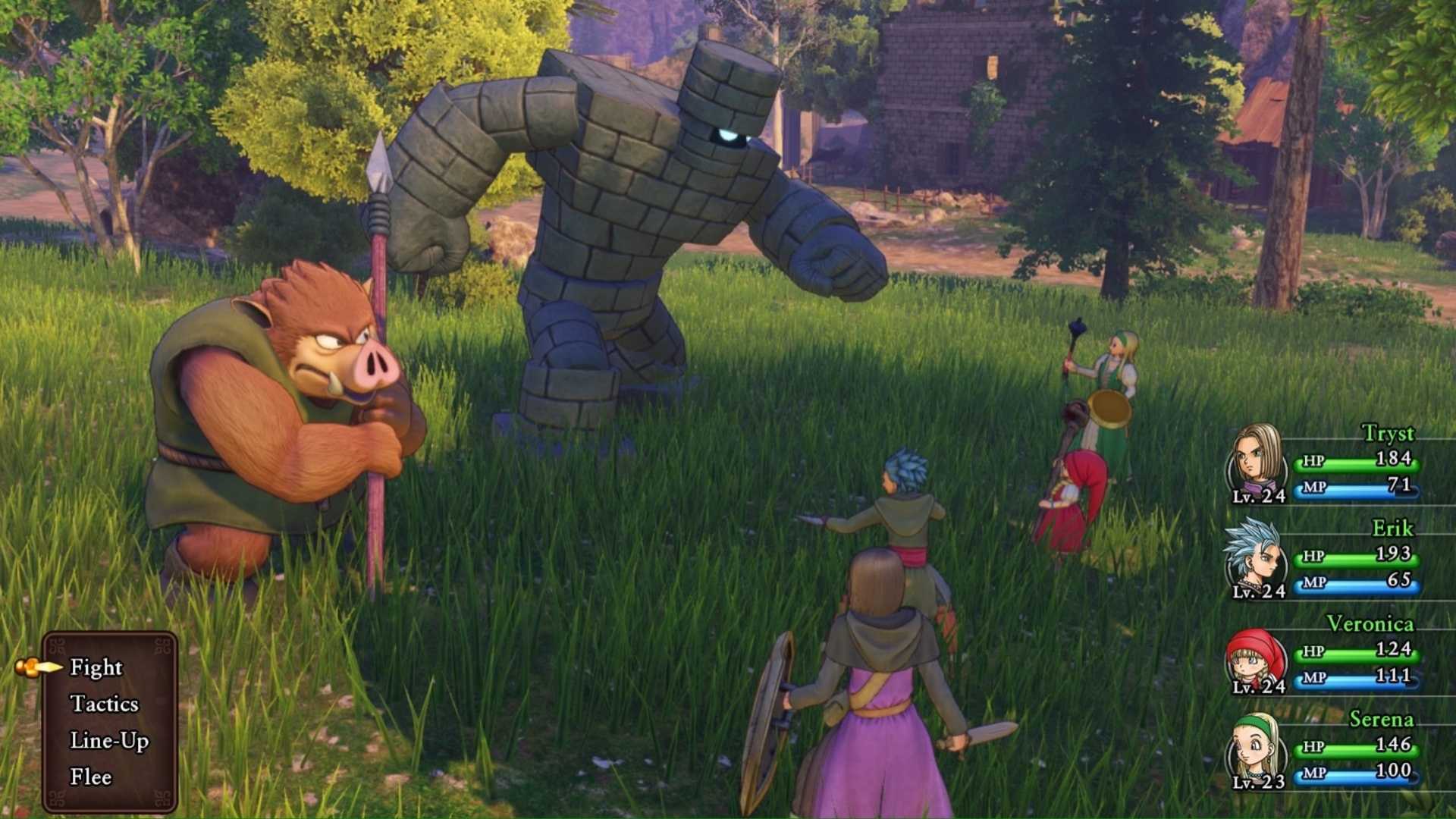 Image via: Square Enix
-
 Image via: Square Enix
-
 Image via: Square Enix
It’s true that the combat in Dragon Quest 11: Echoes of an Elusive Age is generally considered relatively traditional, but there are still several reasons why it stands out from the crowd. For example, it has the so-called Pep system that temporarily strengthens characters and allows them to perform special cooperative abilities, which means that different combinations of characters unlock different Pep Powers. This encourages players to experiment with their party composition a lot. Personally, I’m one of those people who likes certainty and tends to reuse it until the end of time, so unless I’m forced to experiment, I’ll normally avoid it. However, the irony is that when I have to experiment, I actually enjoy it immensely.
Then we have the Skill Panel system, which is all about specializing in different weapons and abilities, giving you the freedom to use whatever fighting style you’re most comfortable with and eventually master it. You can also change equipment, swap active party members, and manually select every action or configure AI tactics to handle routine encounters. Unlike many other RPGs, Dragon Quest 11 doesn’t really need to introduce complex systems to create depth. It’s a great example of how traditional turn-based combat can be strategically engaging.
