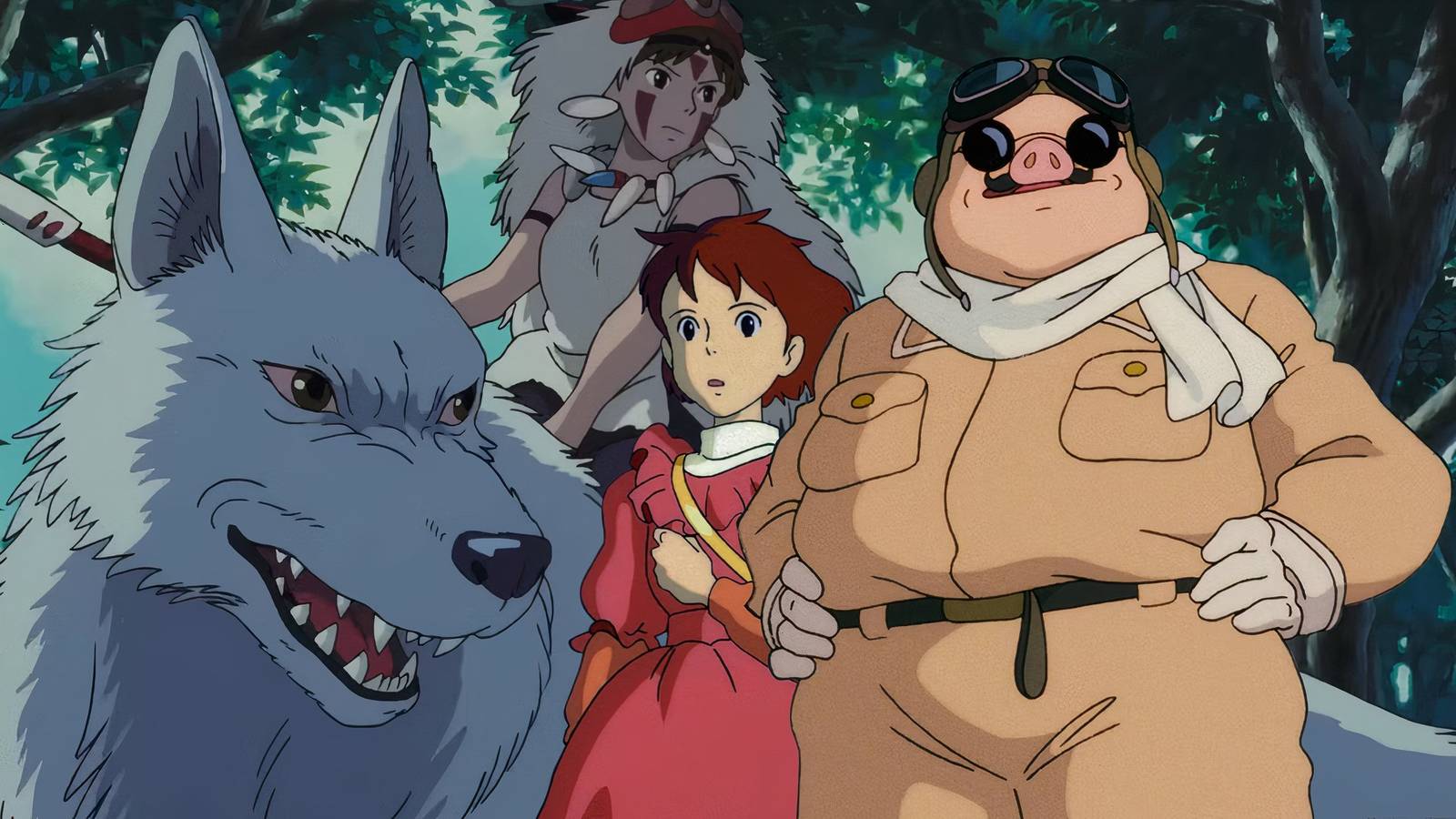
A throwback to the 1990s can be a shocking culture shock for modern-day anime fans accustomed to the digital perfection of 2026. Although the artistry of hand-drawn cel animation is magical, the technical constraints and artistic decisions of the time are incompatible with today's viewing patterns. The physical limitations of the old hardware, as the stories were formatted for weekly viewing on television, make these old hits seem like a visit to another dimension that not all are ready to embrace.
The cultural landscape and standards of storytelling have changed a lot over the last few decades beyond visuals. What was thought of as a revolutionary plot twist or a funny joke a decade ago may become a punishing cliché or an embarrassing situation for generations to come. It may be the lack of film grain or inclusive representation, but in any case, there are many practical reasons why these retro titles may prove a challenge to someone accustomed to modernity.

The 35 Best Anime from the 90s, Ranked
The 1990s was a great time for anime, and many series from the era are still popular today. Here are the best anime from that decade.
11
SD and 4:3 aspect ratio

The most obvious obstacle for the modern anime fan is the 4:3 aspect ratio that creates giant black bars on one side of a widescreen TV. Since these shows were designed to run on old tube televisions, the picture may seem small and not as large as we think today. Furthermore, even the best “high definition” remasters are limited by the source material in the original standard definition, and can look blurry or soft on a 4K display, when compared to the sharp, digital lines of the current series.
10
Visual film grain

Unlike modern anime that is only made on computers, 90s anime was drawn on physical cells and filmed on real film. The result of this process will naturally be the presence of grain or fine dusting and small flashes in the image which are very distracting to modern viewers. Although purists love this cinematic presence, viewers who have grown up with the new quality of digital animation tend to view this grit as low-quality video or garbage that spoils the viewing experience.

Guess anime from emojis.
get started
Guess anime from emojis.
Easy (120 seconds) Medium (90 seconds) Hard (60 seconds)
9
Slow story pacing

In the 90s anime was meant to take over long TV periods. Hence, plots begin to occur that require dozens of episodes to reach the important plot. The sparse, 12-24-episode seasonal structure, in which every minute counts, is unaccustomed to modern audiences, and the gradual pace of old classics seems burdensome. Featuring long shots of stars, interior monologues, and landscapes with few or no people, many shows from this time period originally served to save animation budgets, but have since become mere padding.

Where to Watch the Spring 2026 Anime Lineup (Crunchyroll, HIDIVE, and More)
Re:Zero, Tensura, and Dorohedoro are just a few of the spring 2026 anime. Here are the lineups for Crunchyroll, HIDIVE, and other streaming services.
8
Too much filler

Like the series NarutoSailor Moon, or Dragon Ball Z, which had longer running episodes, were notorious for creating filler episodes to avoid the animation that followed the manga. Such episodes usually do not affect the plot and can be extremely frustrating to modern viewers, who like to see a solid story in one sitting. It's a significant hurdle for someone who cares about his/her time and wants to get a focused storytelling experience only to find that half of it is optional to navigate a 200-episode series.
7
Cheesy Early Dubs

Reading subtitles can seem like a daunting hurdle for many new fans, so English dubs tend to be the preferred viewing option for many people. Sadly, the 90s were the wild west of voice acting, with most dubs poorly performed, heavily censored, or renamed to reflect the local culture, causing anime to lose its original culture. Mostly 90s dubs, with a few notable exceptions Dragon Ball Z and FMABLacks the professionalism and heartfelt quality offered by today's voice actors.
6
Problematic humor

Comedy is a genre that has tropes that are the oldest, and the 90s were very different when it came to what was considered funny. Many of the older shows are based on clichés that are not well received in the present day, such as gender roles, body-shaming, or outdated characters. For a modern audience that values sensitivity and respect, such generic gags can spoil the atmosphere and make it difficult to side with a protagonist who acts in problematic ways.
5
Lack of variety

Most modern anime these days have achieved a lot in terms of portraying different backgrounds, identities and scenes, whereas the 90s weren't as extensive in their diversity. Old anime shows were usually characterized by incredibly shallow female characters or the absence of such, and hardly any cultural or modern diversity. The limited worldview of 90s anime can be alienating and outdated for a new generation of fans who want to see themselves represented in the media they watch, and find it more difficult to relate to the cast on a personal level.
4
Extreme melodrama

The 90s loved to scream in the name of a screamer, and characters would often break into impotent crying jags or dramatic monologues over relatively minor matters. Although it's a staple of the time, it can be tiresome and jarring to modern audiences who are more into down-to-earth, nuanced character development. The use of motion lines and distorted faces to depict anger or sadness in the 2026 situation is more dramatic in an emotional sense than a real one.

The 35 Best Gender-Bender Anime of All Time, Ranked
Gender-bender anime has been around for a long time, spanning many genres. These great shows make the most of the trope.
3
Inconsistent power scaling

In many old war series, the rules of the world are subservient to the weekly storyline. One episode could pit a hero against a wimpy minion and another against a planet-level threat, and for too long this power differential was always inconsistently scaled to create more hype and drag on the story, which could frustrate those who prefer logical power structures. Contemporary audiences are accustomed to the strict magic systems popularized by existing hits, so the logic of friendship-inspired wins is rather lazy and inept as worn by the 90s.
2
predictable tropes

It's been said that 90s anime moved slowly so that modern anime could run, but it also implies that the classics are full of tropes that have since been parodied or made better. A 90s masterpiece might sound like a cliché to a new fan because they've already seen ten shows like this that did the same thing faster and with better shots. When you already have a polished, modern version of the same formula, you can't appreciate the original version of that story.
